© CASCB
Read this issue online
Scan or click to open it in your browser
The autumn colours are out, and so are we.
Important news
EVENTS
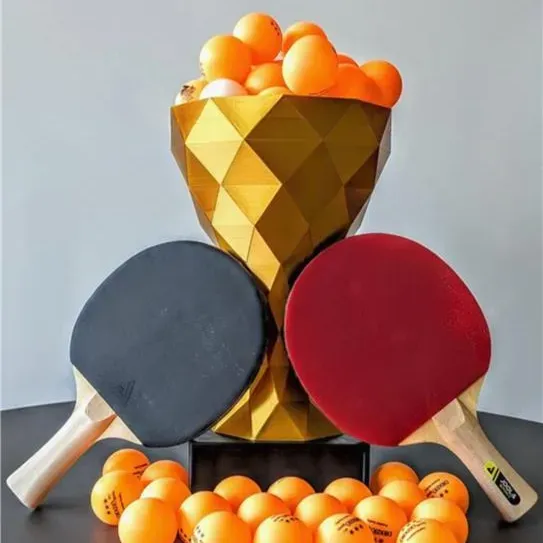
The Swarm Cup is back! After a debut that drew around 40 paddle-wielding contenders to ZT9, the second edition takes place on November 6th from 5pm. Expect the same King of the Hill format, the same long rallies and dramatic upsets, and an open hill for anyone ready to claim it. Last time, Andrew McCauley set the bar at six straight challengers fended off. Clear your schedule, warm up your wrist, and join us!
MEDIA
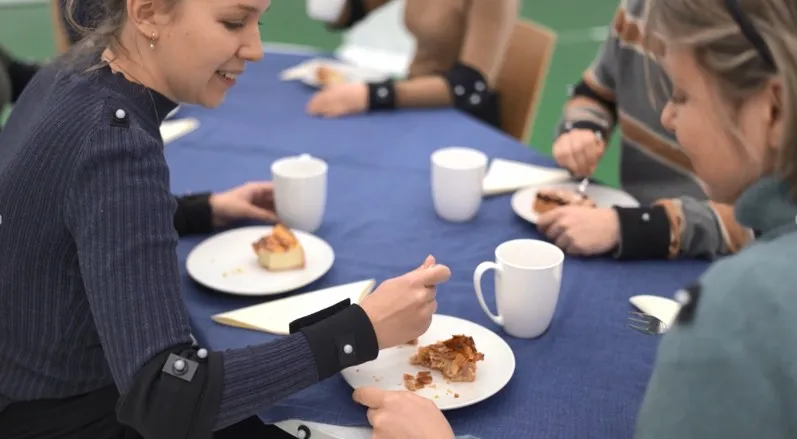
CASCB researchers have developed SPREAD, a framework and open-source R toolbox addressing key challenges in measuring behavioural contagion. In three-person conversations, laughter contagion peaked after one to two seconds, while eating contagion peaked around 14 seconds. Patterns also differed depending on whether one or both interaction partners responded.
Have you heard?

NLnet funding for PubDex
Daniel Calovi from CASCB’s CCU has landed NLnet funding for PubDex, the cluster’s home-grown publication database. The money comes from the NGI0 Commons Fund, which NLnet runs with support from the EU’s Next Generation Internet programme. Keeping track of who at CASCB published what is messier than it sounds. ORCID has some of our papers, Crossref and OpenAlex have others, and the same paper often turns up two or three times under slightly different titles. “PubDex Gotta Track ‘Em All” pulls all of it together, works out which author is which, merges the duplicates and keeps a note of where each record came from. Over the next year, the grant pays for turning it into free, open-source software that any research institute can install and run itself, without paying for a commercial database. Want your papers to show up there? Keep your ORCID up to date!
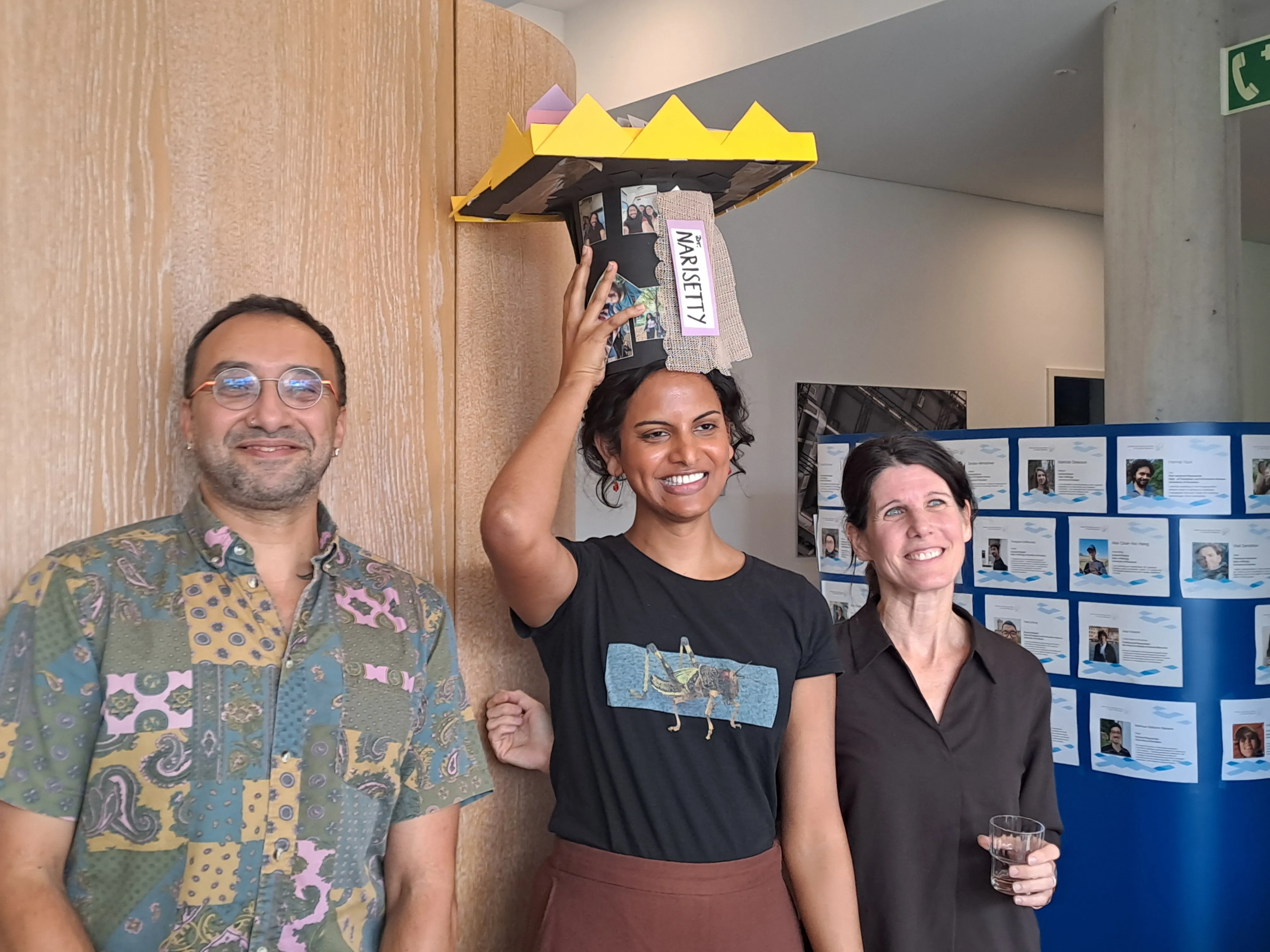
MADDY DEFENDED HER PHD
“During my PhD at CASCB, I studied how the arrangement of food and shelter influences the development of social behaviour in desert locusts (Schistocerca gregaria). I combined long-term behavioural observations, automated movement tracking, and brain RNA sequencing to explore how different habitats shape locust behaviour and gene expression. I’m really grateful to everyone at CASCB, especially the technical staff and office team, for their help and support throughout my time in Konstanz. Thank you for making these years such a valuable part of my journey!”
In the cluster
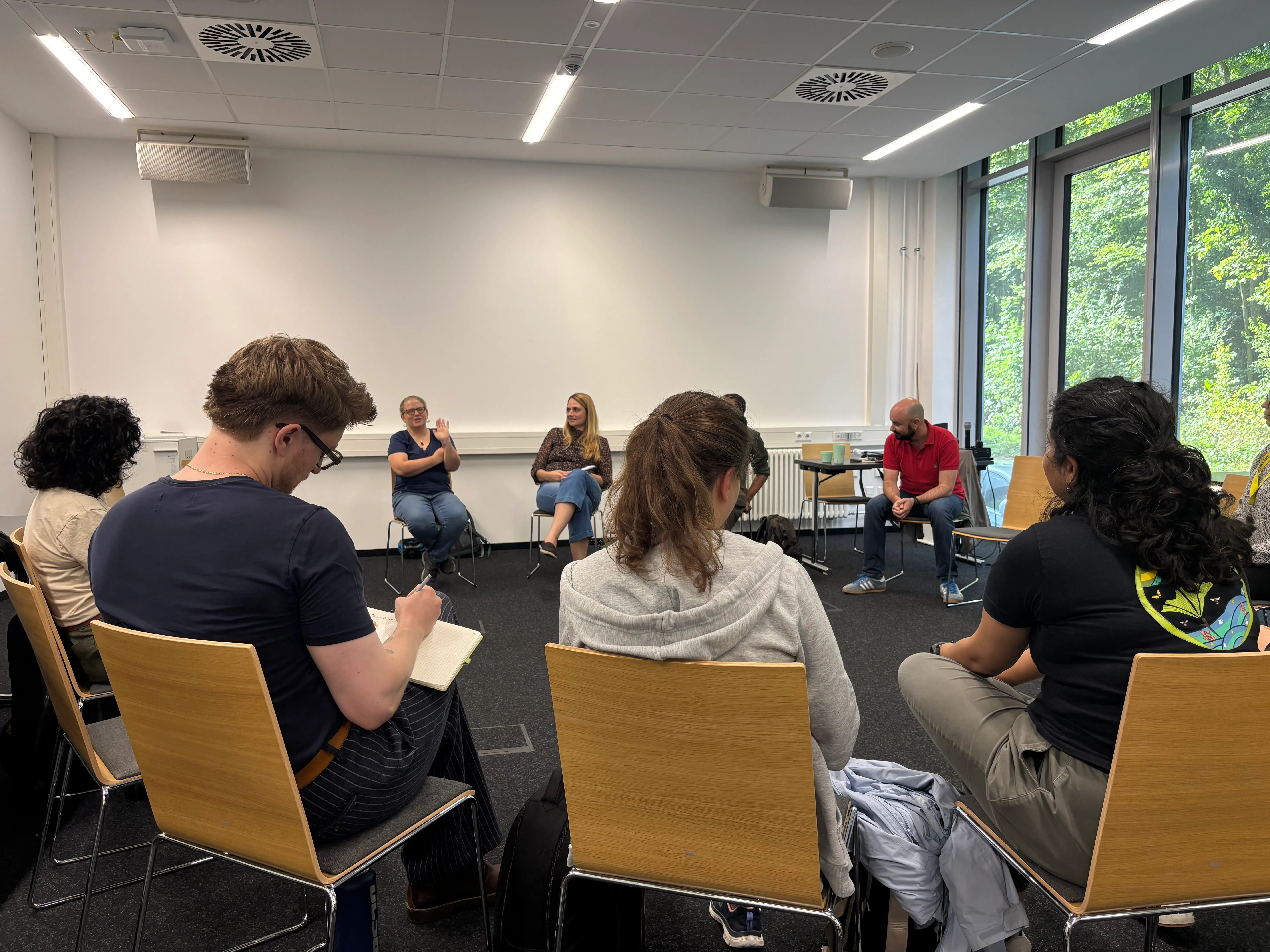
ASK THE PI ROUNDTABLE RECAP
At our “Ask the PI” roundtable during Postdoc Appreciation Week, Ahmed, Ari, Giovanni, and Katrin shared what life as a PI really looks like with postdocs and doctoral researchers. The discussion ranged from what PIs actually spend their time on and how much research they still get to do, to developing independence, managing ideas and people, work-life balance, and the choice between academia and industry. The most fun parts? Supervising excited students, discussing science with the group, writing papers, and juggling many different projects. One theme ran through the whole afternoon, and Ahmed summed it up best: success in academia involves some luck, so it is worth asking yourself what you really want. If academia makes you happy, you will find the drive to pursue it. Thank you to our panellists and to everyone who joined!
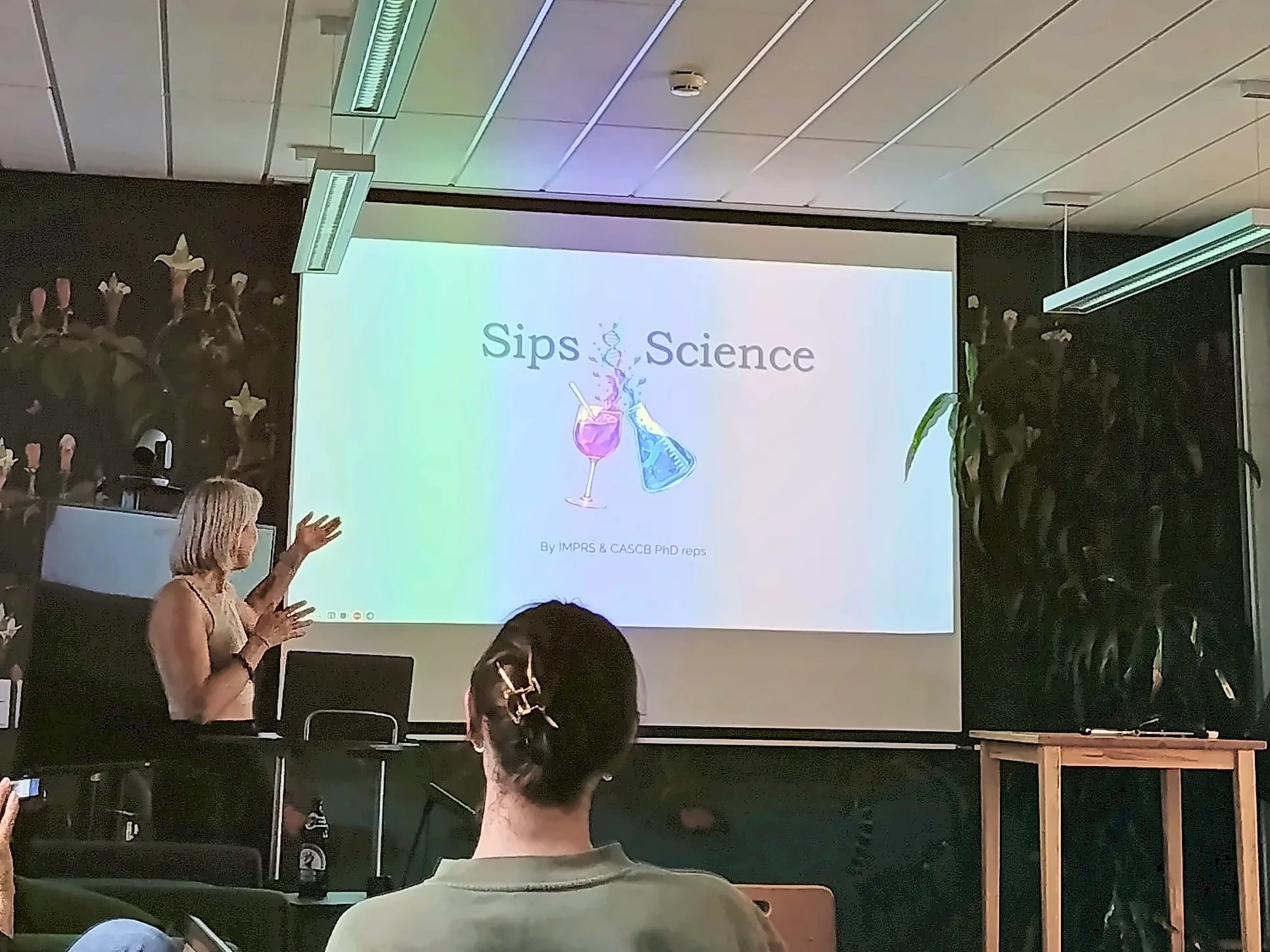
Sips & Science recap
Upon popular request, Sips & Science is back - a fun way for scientists to learn about the research being done in their own community in a relaxed, yet engaging environment. Each event features short talks from three different scientists about what excites them in their research. It now runs as a joint effort by CASCB PhD reps Lochlan Walsh and Claire Wong together with IMPRS reps Sydney Hunt and Juan Vazquez. The kick-off event at the end of the IMPRS Welcome Week was a big hit, with talks from Sydney Hunt, Arthur Touchais, and Kristaps Sokolovskis. The next one takes place on December 4th in Möggingen - hope to see you there!
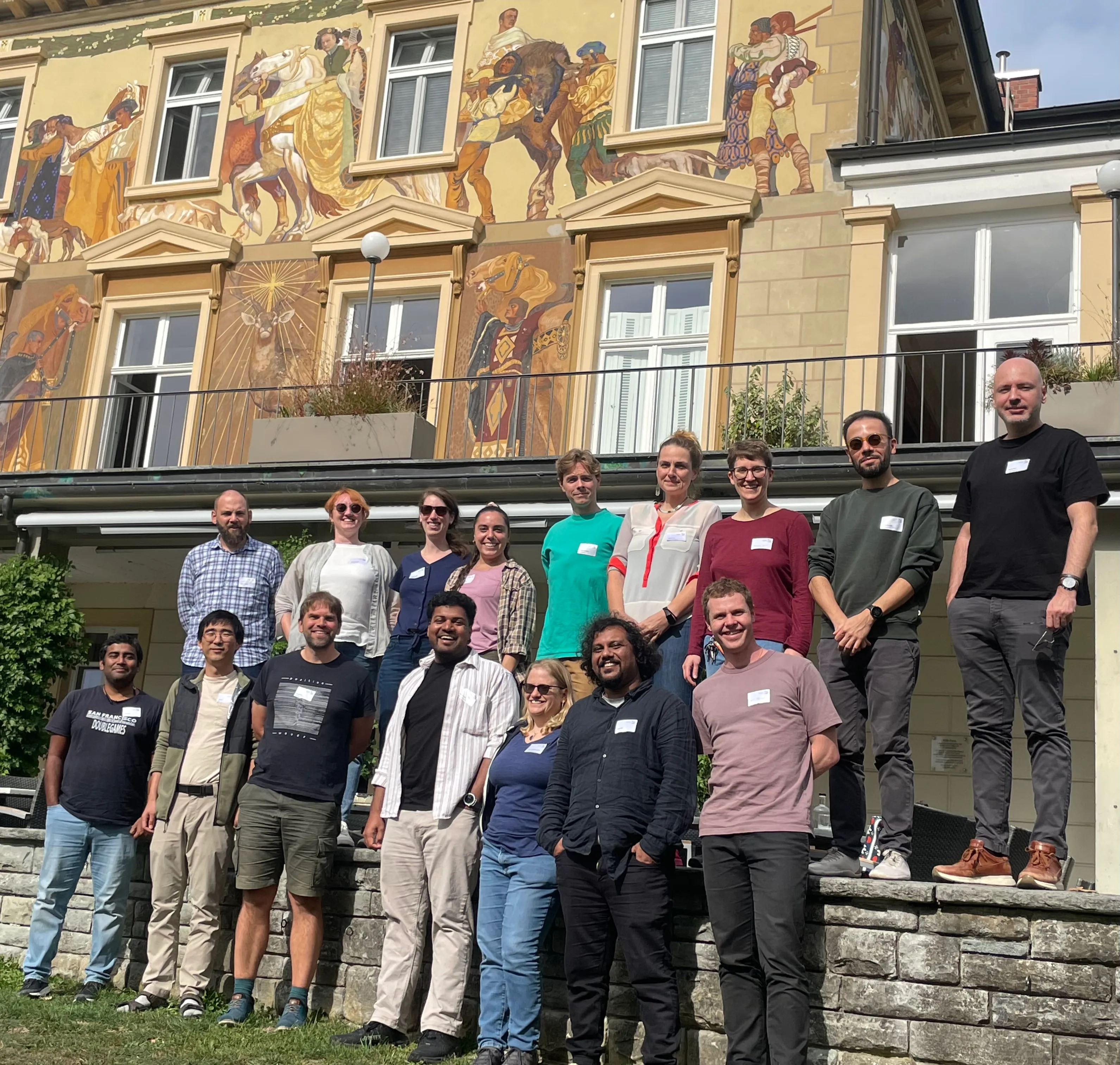
COLLECTIVE MOVEMENT WORKSHOP RECAP
The three-day Collective Movement from Air to Aquatics conference (funded by VolkswagenStiftung Freigeist and the university’s BlueSky funding) brought together 20 participants from diverse research backgrounds to discuss recent advances in information processing, behaviour, and decision-making, fostering interdisciplinary exchange and future collaborations. Key topics included collective behaviour and motion, multisensory signalling and cues, real- and virtual-world neuroscience, and engineered systems. Further discussions addressed energy harvesting, management, and adaptation, exploring how organisms and robotics acquire and allocate energy and adjust their behaviour to changing environmental conditions. The workshop also examined heterogeneity of function and operation, highlighting how diverse mechanisms and strategies contribute to coordinated, flexible, and adaptive behaviour. Overall, the meeting provided a platform for integrating complementary research approaches and establishing foundations for future collaborative research.
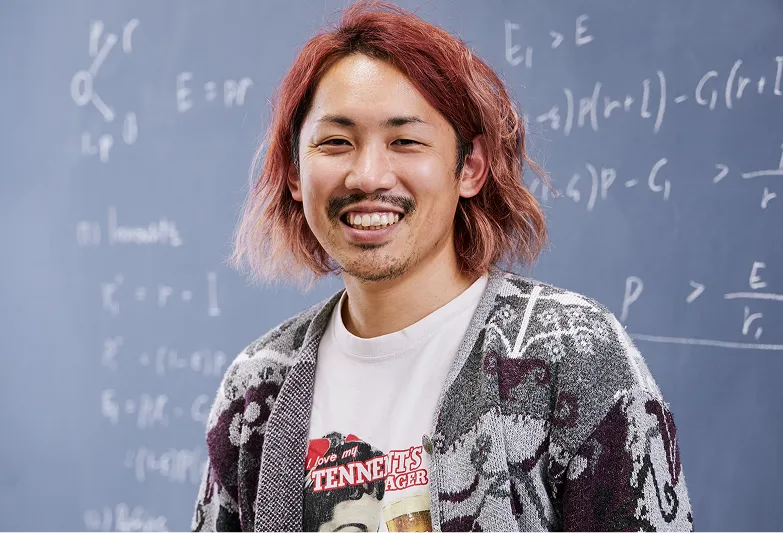
ALUMNI SPOTLIGHT - WATARU TOYOKAWA
“I can’t believe it’s already been three years since I left Konstanz! I am now a group leader at the RIKEN Center for Brain Science in Japan, but Konstanz feels like my academic home. I am still working on human collective decision-making and cultural evolution, but lately my group has also started exploring collective behaviour in real-world urban settings, as well as human–AI hybrid groups. If any of you are interested in these topics, I would love to have a chat!
Besides that, I had the privilege of co-organising the 3rd COSMOS Summer School in Tokyo last year. It would never have happened without the success of the first two schools in Konstanz, which were so wonderfully supported by the CASCB. I’m not sure I have any particularly good advice for today’s ECRs, but there is one thing I’ll never forget: During the first COSMOS, I was chairing a keynote session and handed Iain, our keynote speaker, a glass of water as a refreshment. Only later did I realise that it was actually a glass of hot water! The room was already very warm, and I still regret not checking the water temperature before handing it to him. I’m so sorry about that, Iain! Anyway, to all my ECR friends: don’t be afraid of making mistakes.”
UNI OFFERS
GRANT WRITING WORKSHOP
The university’s Research Support is offering a compact online session on grant writing, walking through the whole application process from choosing a funding scheme to the key elements of a strong proposal and how reviews work, with plenty of time for questions. Aimed at postdoctoral and advanced doctoral researchers, no registration required. Join on November 10th, 10–11am via Zoom.
PITCH TALK WORKSHOP
Can you present your research in three minutes? This hands-on workshop, run with the Start-up Centre Kilometer1 and Young Entrepreneurs in Science, introduces the art of pitching and storytelling: what makes a pitch work, how to find the big picture in your research, and how to hold an audience from the first sentence. Participants work on their own pitch and get feedback from their peers. For doctoral and postdoctoral researchers. Join on October 28th, 1–5pm in D435.
Project Management for Doctoral Researchers
PhD projects often run into delays and frustration for avoidable reasons: vague goals, unclear roles, and poor time management. This online workshop for doctoral researchers introduces classic and agile project management tools adapted to exploratory research, covering everything from objectives and milestones to team communication and self-management. Hands-on exercises use participants’ own projects, so you leave with results you can apply straight away. Four mornings, November 5th, 6th, 12th, and 13th, 9am–1pm. Registration required.
EVENTS
In the upcoming CASCB Talk, Guy Bloch will challenge the idea that social complexity evolves as a ladder from solitary to eusocial. Mapping 17 traits across 80 bee species, he finds a single major transition in the ancestor of honey, stingless, and bumble bees, followed by rapid diversification. He will also discuss the role of juvenile hormone. Join us next Monday, October 19th, 12pm in ZT702 and online.
Social climbing