
© CASCB
Read this issue online
Scan or click to open it in your browser
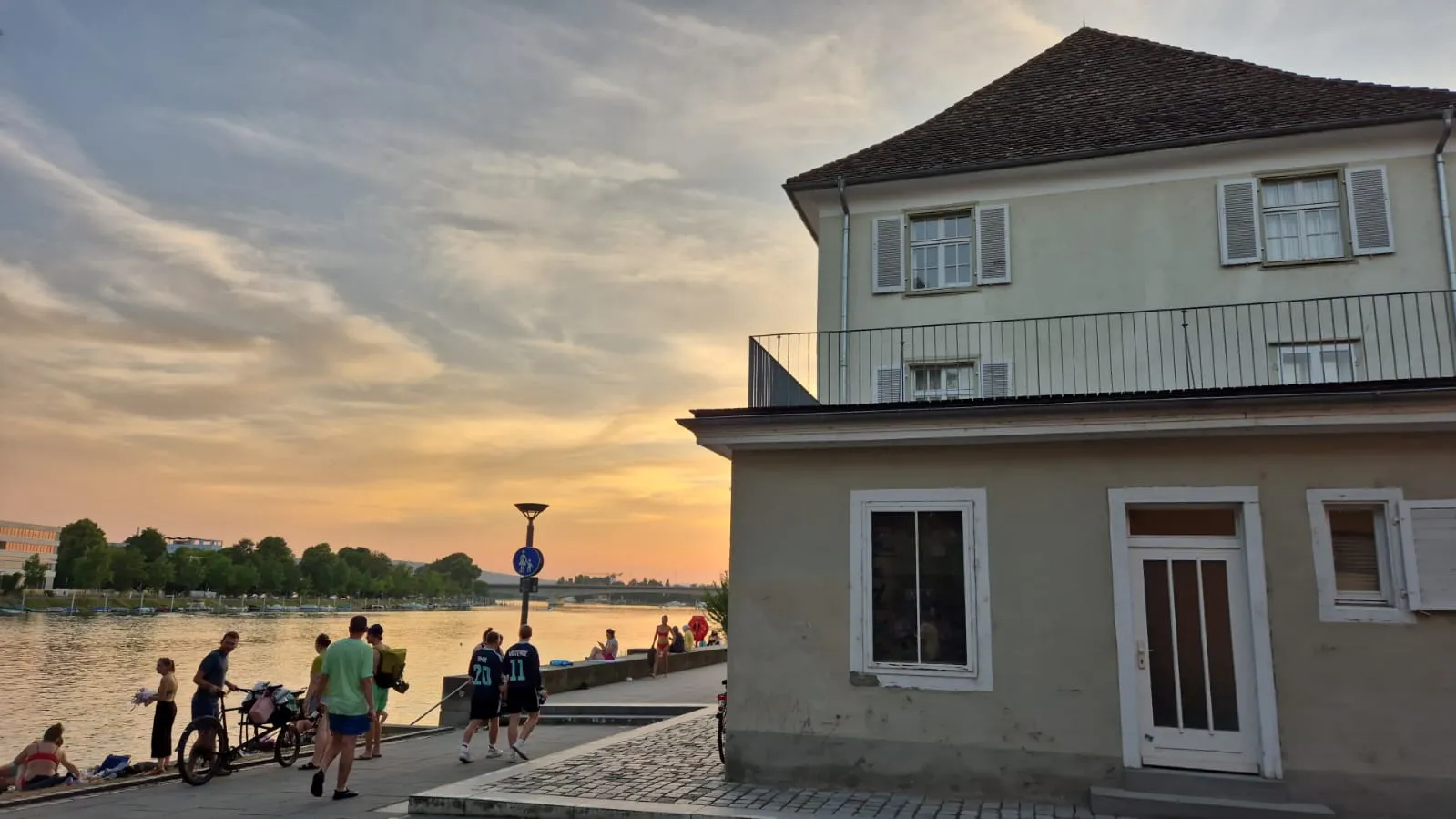
Collectively catching the last summer sunsets in the Swiss Alps!
Important news
EVENTS
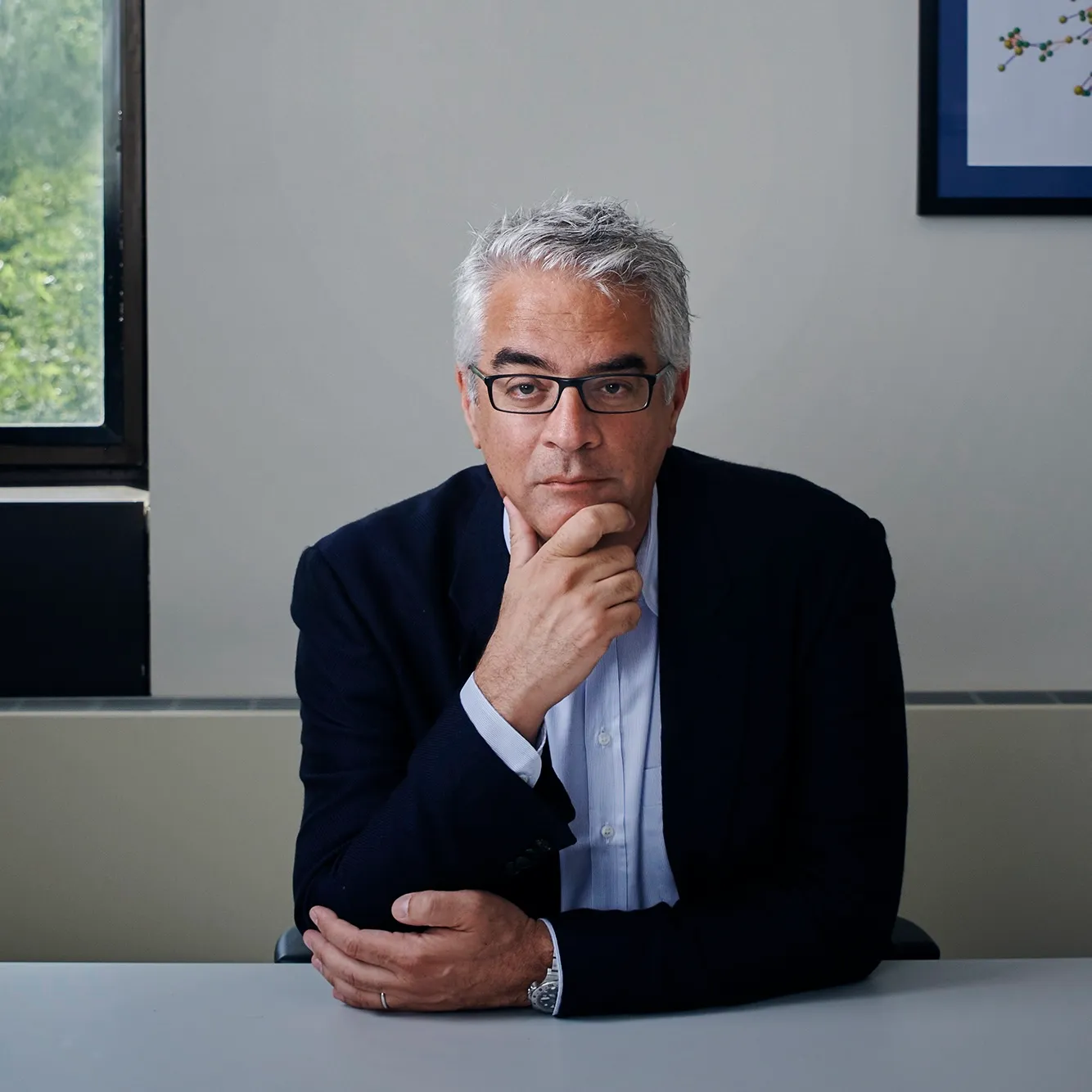
In the upcoming CASCB Talk, Nicholas Christakis will show how a deep understanding of social networks can be used to intervene in them by rewiring connections, steering social contagion, or shifting where people sit in a network. He will draw on experiments from online groups to villages, and on hybrid groups of humans and simple AI agents. Join us on October 5th, 12pm in ZT1204.
EVENTS
As part of the Postdoc Appreciation Week, we are hosting an “Ask the PI” roundtable: early-career PIs will share their experiences of the move from postdoc to group leader, offering a space for postdocs and doctoral researchers to ask questions over Q&A and coffee. Join us on September 21st, 3:15pm in ZT702. Also check out the programme from ASD.
MEDIA
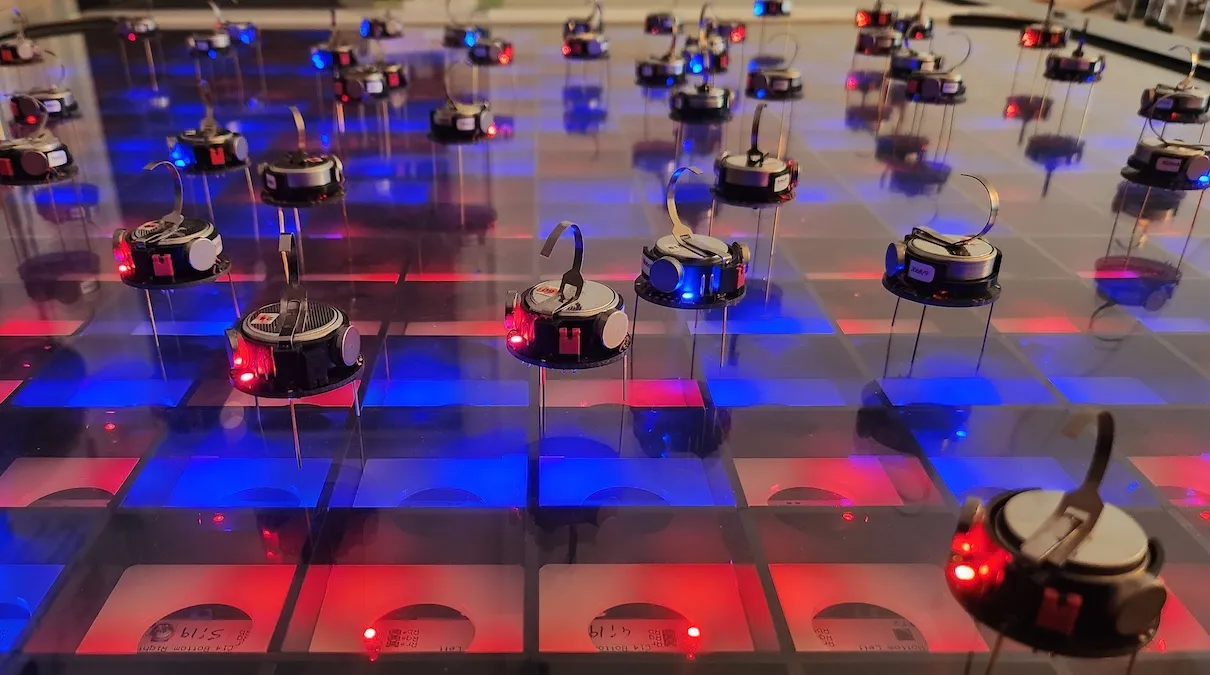
CASCB researchers have found that a simple interaction rule enables robot swarms to reach clear collective decisions despite faulty or manipulated information. The same basic interaction pattern recurs across very different biological systems that need to make collective decisions, from primate brains to honeybee colonies to molecular regulatory networks controlling the cell cycle.
Have you heard?
DFG EIGENE STELLE FOR JAMES
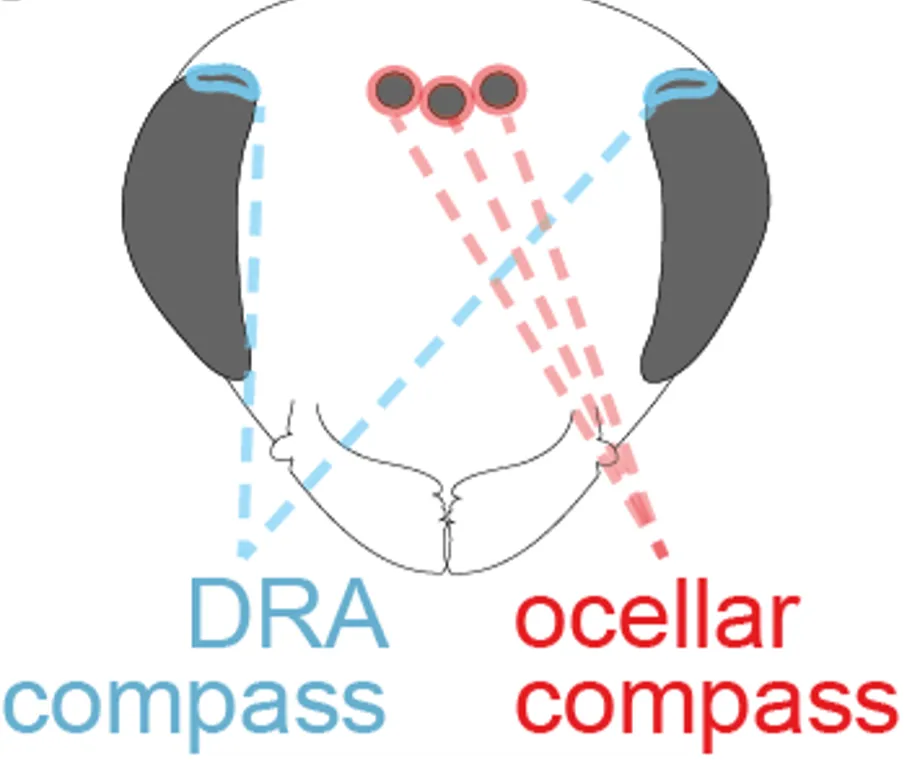
CASCB researcher James Foster was awarded a 3-year DFG Eigene Stelle grant to investigate how bees integrate compass information from their compound eyes and ocelli (FO1308/3-2: Integration Across Information Sources in the Bee Polarization Compass). Bees use polarised light from the sky to determine the sun’s position, allowing them to navigate with their sun compass when only a small patch of blue sky is visible. Although bees detect polarised light with both their compound eyes and their ocelli, a separate set of three camera-type eyes on the front of their head, it is not known how information from these two sets of eyes is combined. The project will include behavioural experiments with honeybees and bumblebees, and computational modelling, as well as the development of a state-of-the-art UV-visible system for environmental imaging of skylight polarisation.
BAWÜ Stiftung Funding for Giovanni
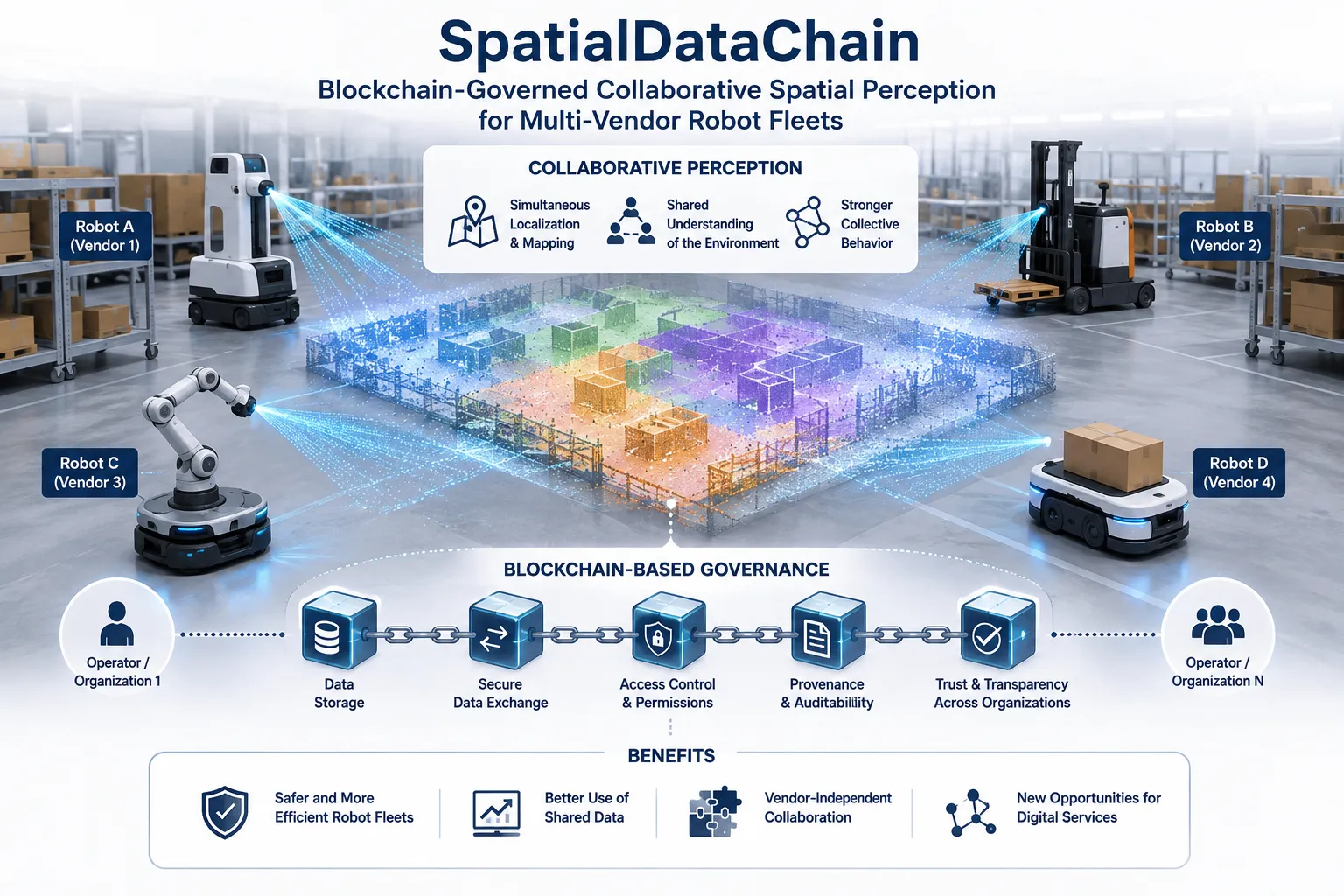
CASCB researcher Andreagiovanni Reina has secured funding from the Baden-Württemberg Stiftung for SpatialDataChain, together with co-PIs Heiko Hamann and Alexandre Pacheco. The project asks how robots from different manufacturers can act more like a coordinated collective, sharing what they perceive of their surroundings and improving joint decisions without relying on a single central authority. Blockchain technology will provide transparent rules for how that data is accessed and trusted, bringing together collective behaviour, robotics, distributed systems, and blockchain in one framework.
Giovanni is on a Roll
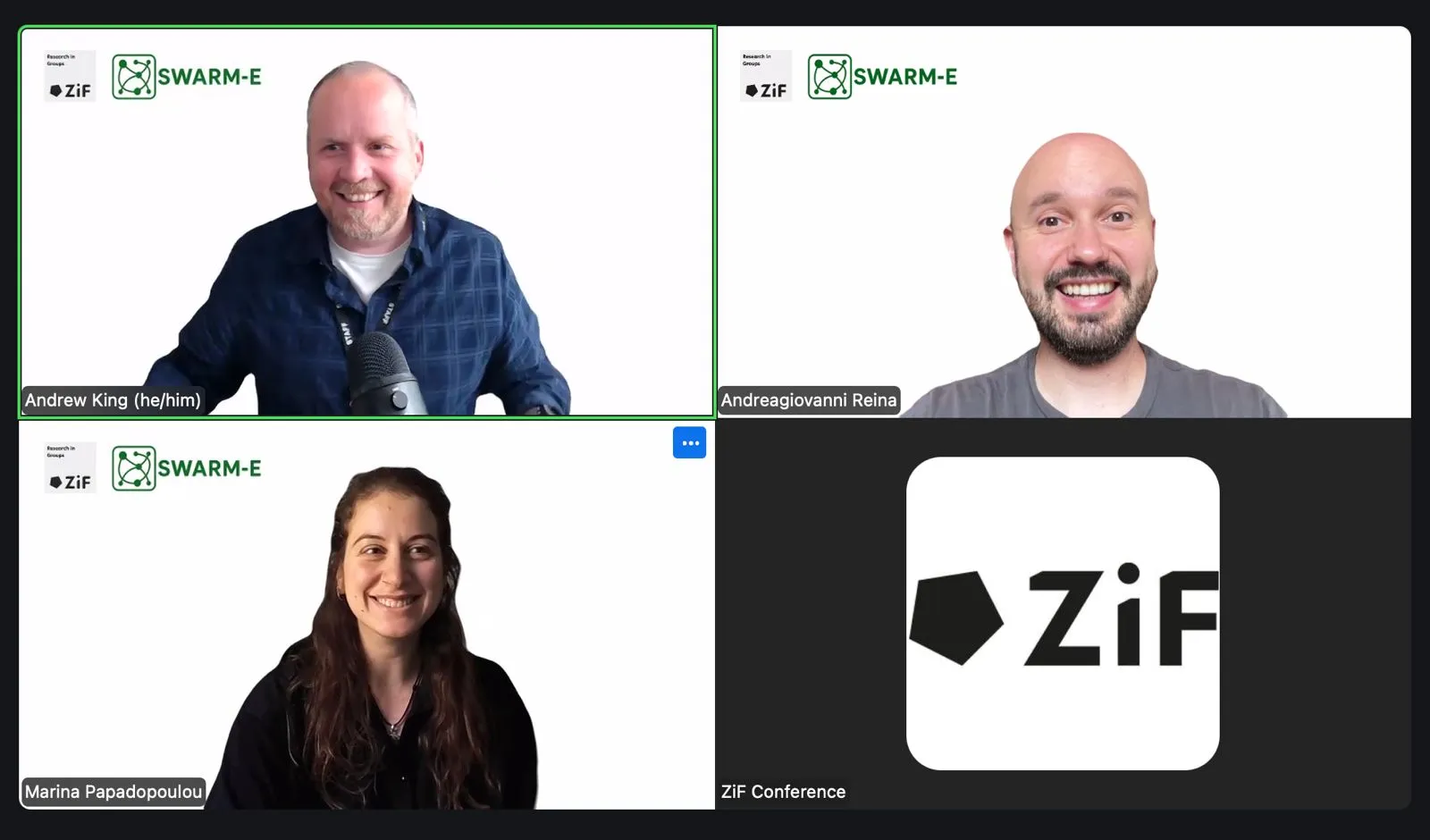
Andreagiovanni Reina also secured funding for SWARM-E, a new long-term interdisciplinary research group at the Centre for Interdisciplinary Research (ZiF), Bielefeld University. With co-leads Marina Papadopoulou and Andrew King, they aim to bring together researchers from animal behaviour, robotics, mathematics, and computer science to better understand collective behaviour across biological and artificial systems. They will be developing SWARMatlas, a repository for collective movement data, and with their growing network, they will use SWARMverse to compare datasets, models, and ideas across disciplines. The first workshop will take place in 2027. If you are interested in getting involved, please get in touch!
AKHILA DEFENDED HER PHD
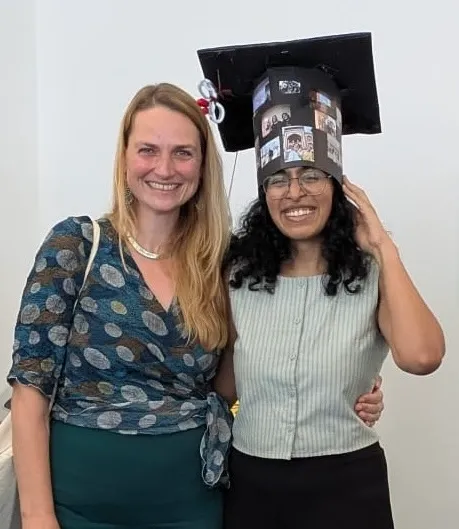
“All animals rely on sensory systems to transform environmental cues into neural representations that guide behaviour. In my PhD, I used Drosophila melanogaster larvae to investigate the behavioural and neural mechanisms underlying decision-making based on prior experience, across contexts ranging from navigating taste gradients and foraging decisions to interactions with conspecifics. I am grateful to the CASCB community, from the office team to fellow researchers, for their support throughout my PhD!”
In the cluster
Fellowship of the Ring
The Fellowship of the Ring reunited at the Bischofsvilla for its second meeting, bringing together researchers from the CASCB and MPI-AB. The workshop provided a lively forum to discuss our interdisciplinary research on ring attractors across biology, neuroscience, behaviour, physics, and robotics. We were delighted to welcome Anastasia Bizyaeva, Josh Shaevitz, and Zachary Kilpatrick, whose perspectives and contributions greatly enriched the discussions.
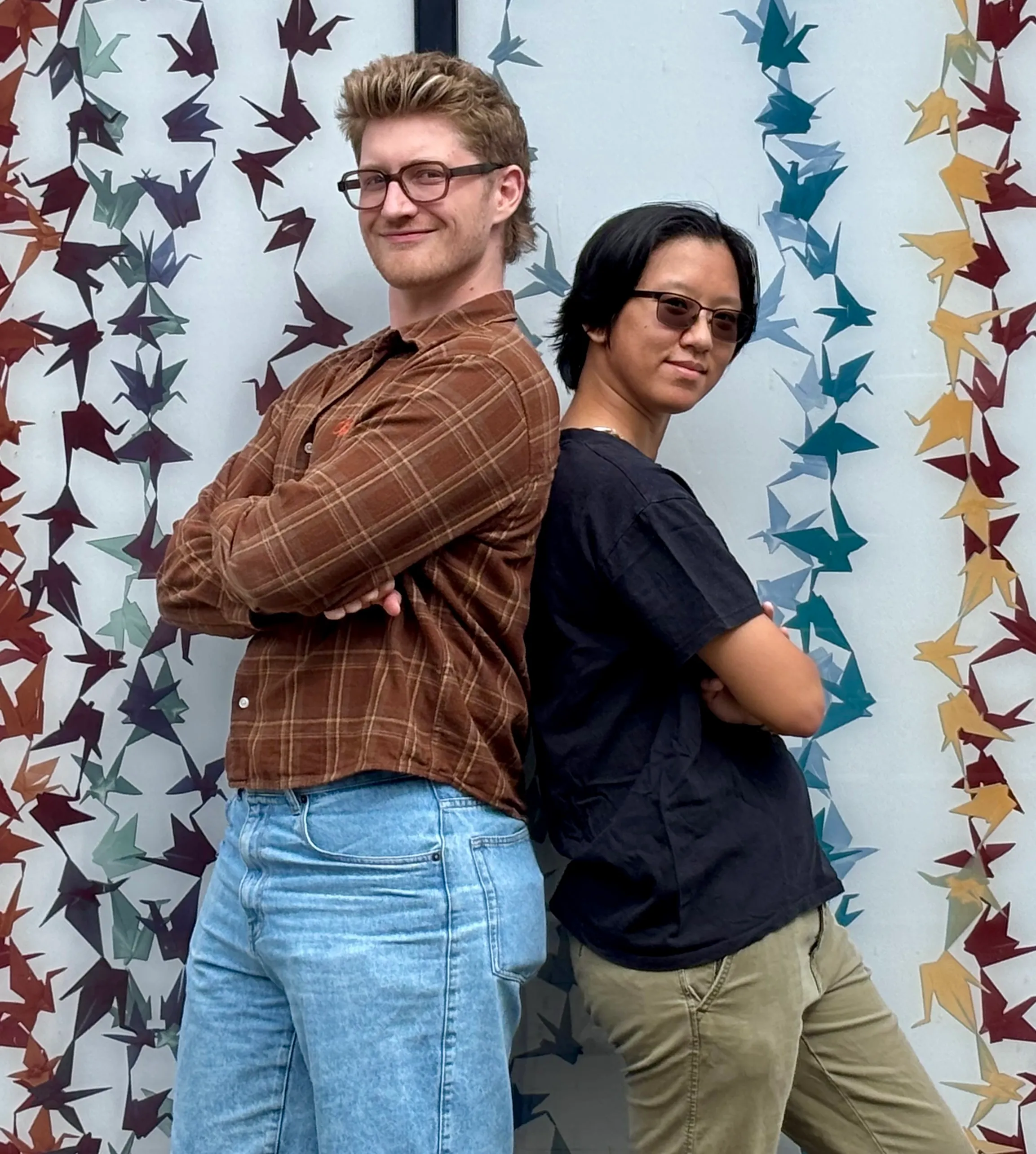
NEW PHD REPS
“Hi everyone! We’re Claire and Lochlan, and we’re excited to represent the CASCB doctoral community for the coming year. Claire is joining the network as a new representative, while Lochlan is continuing in the role for another year. As representatives, we want to strengthen connections across the cluster, make sure doctoral researchers have a voice, and create opportunities to exchange ideas, develop new skills, and spend time together outside the lab. We especially want to make the most of CASCB’s interdisciplinary community, bringing together students across buildings, departments, fields, and affiliations. We’re looking forward to the year ahead and to hearing from you! Please feel free to get in touch with us with ideas, questions, or suggestions for the network.”
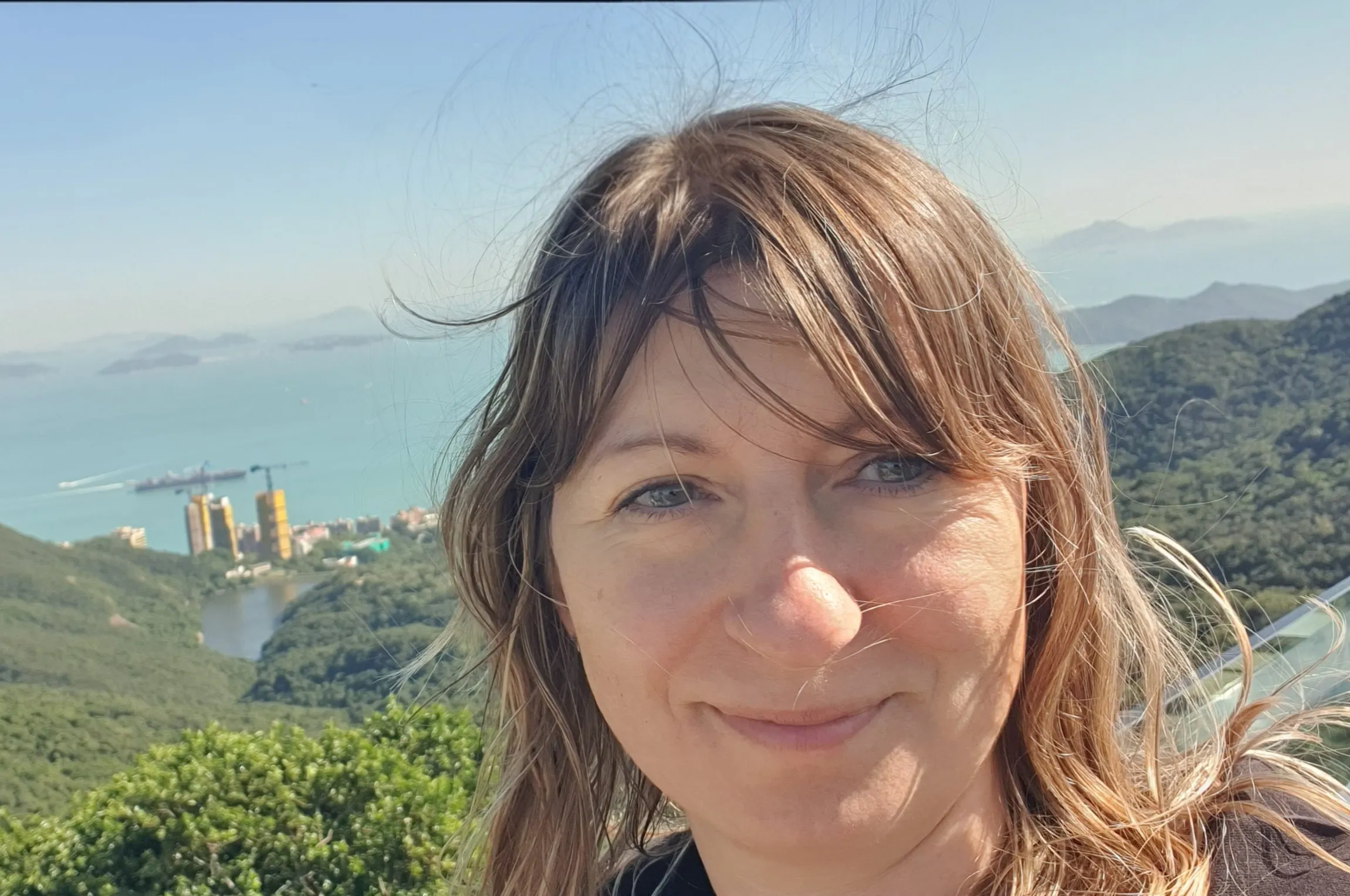
ALUMNI SPOTLIGHT - HANJA BRANDL
“After almost seven years in the swarm, I found my new career just 200m away, as the Departmental Officer of the Biology Department. While I used to manage research projects, analyse bird data, and supervise a few students, I have now scaled up to managing the whole Biology Department, analysing student numbers, and supporting more than 800 students. I always found the atmosphere at the CASCB really inspiring - bringing together so many different people and perspectives created an environment where ideas were never too big, too unusual, or too crazy. It definitely taught me the value of being curious and looking beyond your own field. My advice to ECRs? Don’t be afraid to change direction. A career in science can take many forms, and the skills you develop as a researcher are useful in far more places than you might think. While it can be good to think ahead a bit, you don’t always need to plan your career too far ahead – apparently, your next job might just be across the road!”
New to CASCB
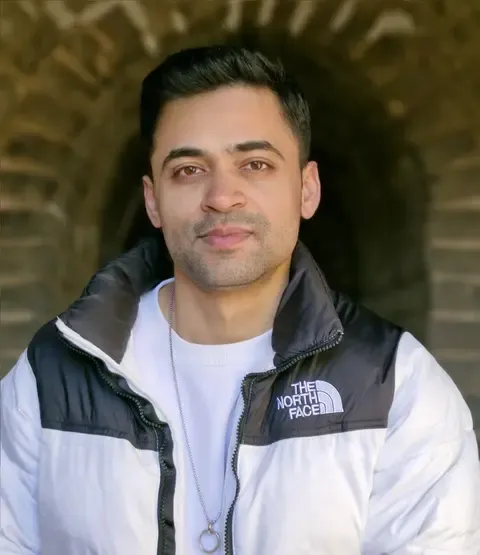
Ahsan Tanveer, Doctoral Researcher, ZUKOnnect Fellow
“My research focuses on bio-inspired robotics, control, and robot learning, particularly for soft and continuum robots operating underwater. I am particularly interested in combining physics-based modeling, intelligent control, and multimodal sensing to improve the robustness, adaptability, and efficiency of robotic manipulation in challenging underwater environments.”