© Ahmed El Hady
Read this issue online
Scan or click to open it in your browser
Want to know how this year’s Konstanz School of Collective Behaviour went? Read below!
Important news
EVENTS
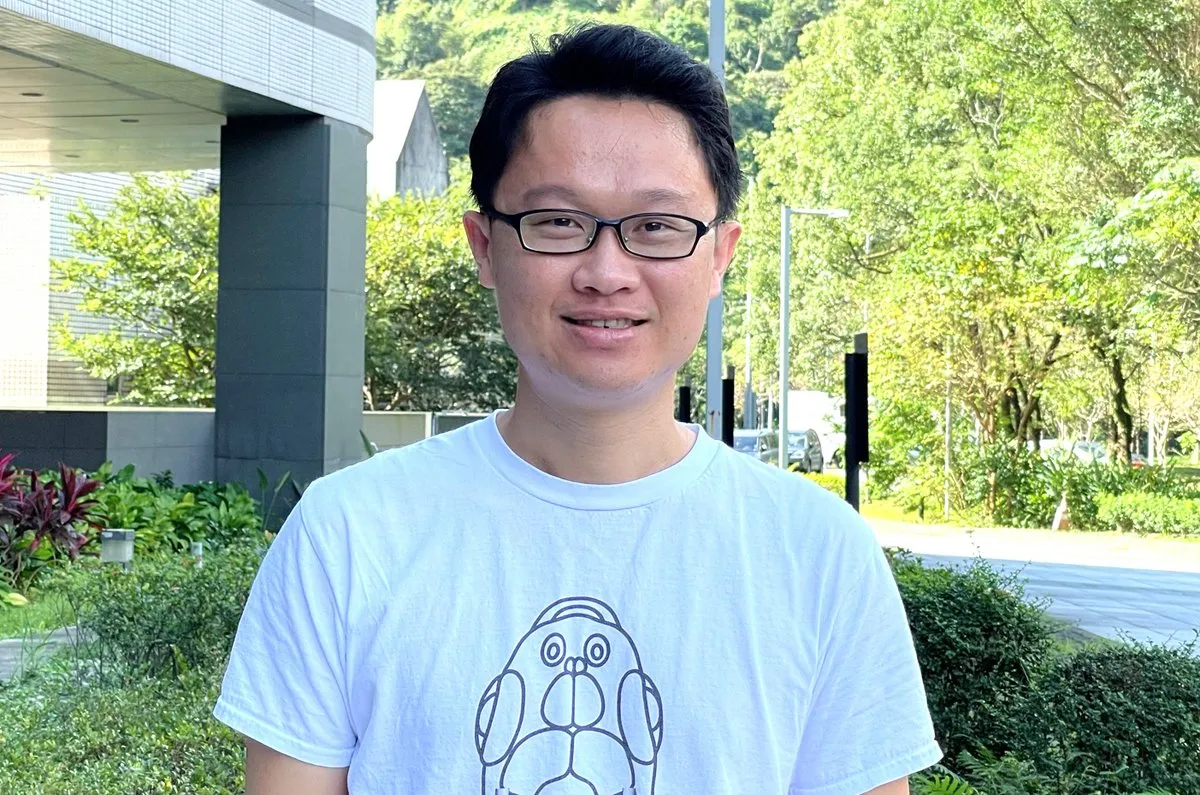
In the upcoming CASCB Talk, Kuo-Hua Huang will explore how immersive virtual reality can be used to study social behaviour and collective decision-making. Join us on September 14th, 12pm in ZT702.
We are also looking ahead to the winter term CASCB seminar series and invite suggestions for internal or external speakers. We would love to hear your ideas!
MEDIA
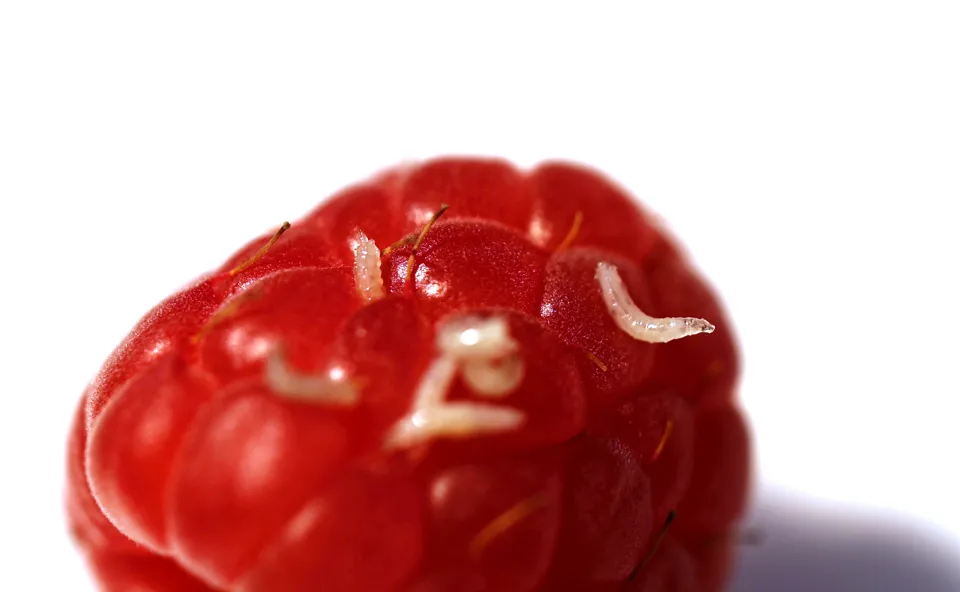
CASCB researchers have shown that fruit fly larvae use past experiences to guide their foraging decisions. By combining behavioural experiments with computational modelling, the team found that larvae remember the quality of previous food patches and use this information to decide how long to stay at a new one, revealing how even simple brains can remember, compare, and use past experiences to make adaptive decisions.
MEDIA
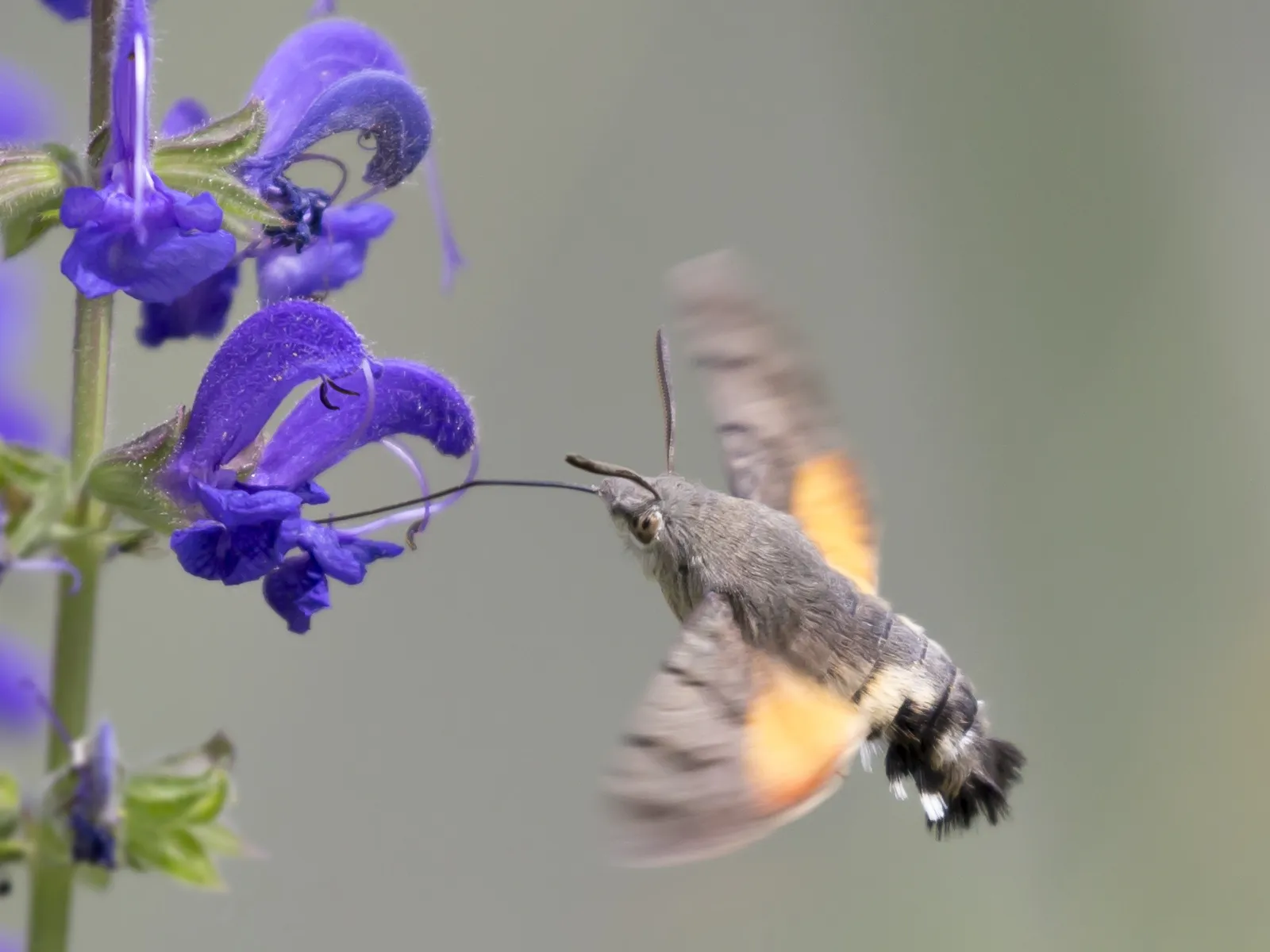
CASCB researchers have found that hawkmoths have a preferred side for extending their proboscis when inspecting flowers. By combining behavioural experiments with visual modelling, the team found that this preference is linked to a dominant eye, helping the moths coordinate vision and movement efficiently despite their small brains. The findings offer new insights into how sensory information is integrated to guide behaviour.
Have you heard?
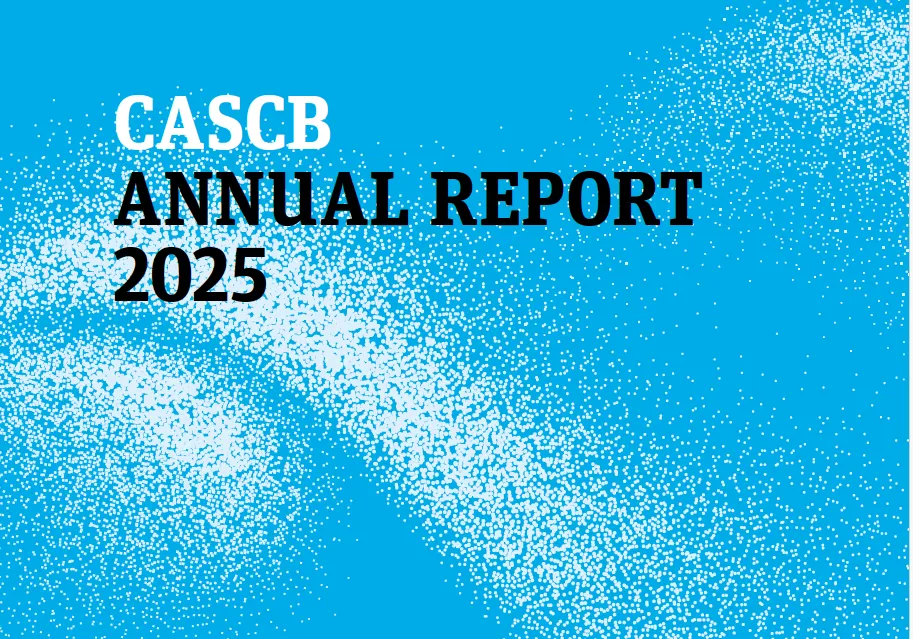
CASCB ANNUAL REPORT 2025
We’re excited to share the CASCB Annual Report 2025! Take a dive into a year of discoveries, achievements, and community highlights. Explore the research, collaborations, and stories that shaped CASCB in 2025 - now available on our website or as a PDF download.
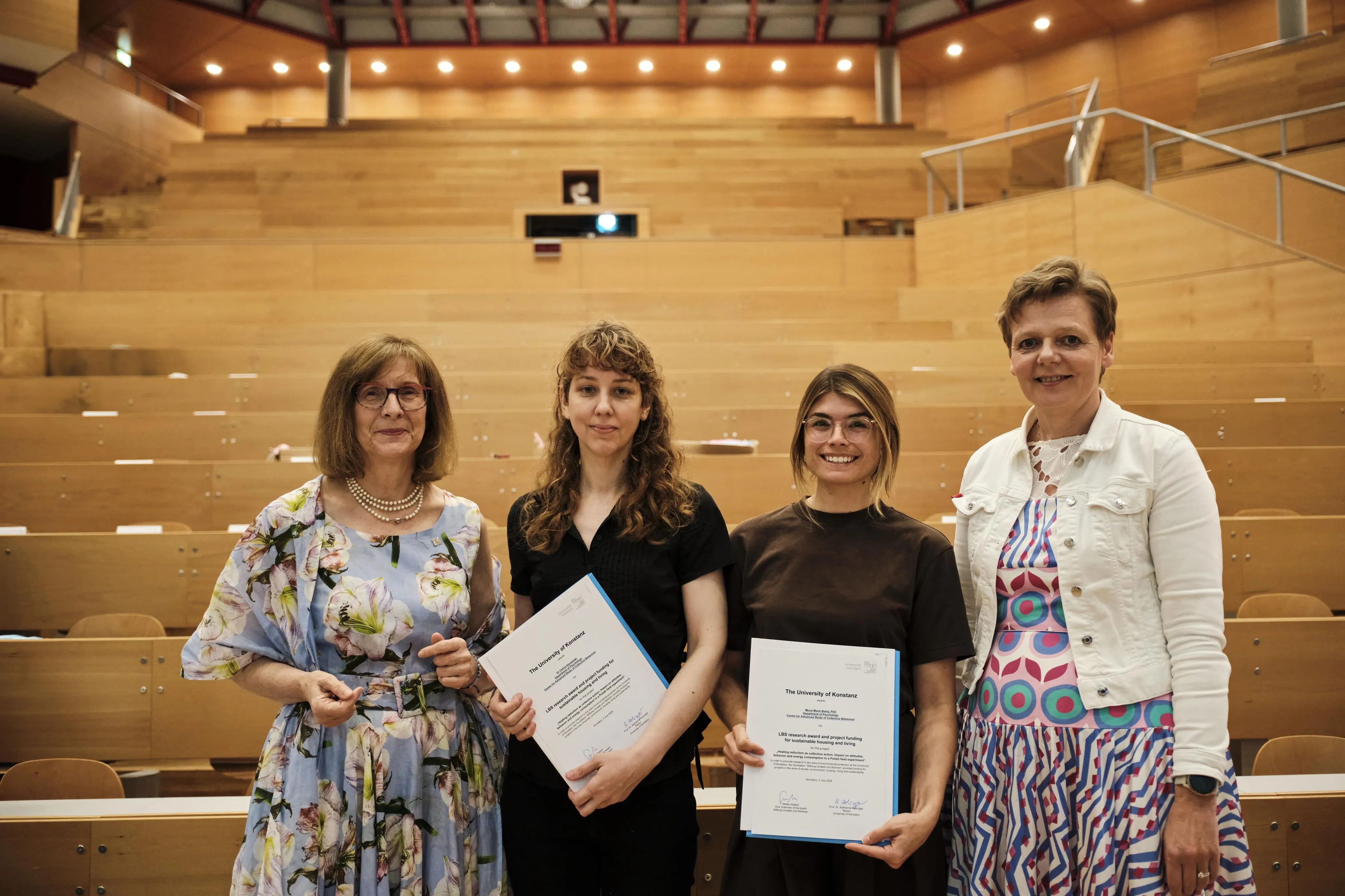
LBS PRICE FOR MOLINA
CASCB researchers Mona Bielig and Celina Kacperski have received this year’s LBS Research Funding for Sustainable Living and Housing. Their joint project “Heating Reduction as Collective Action: Impact on Attitudes, Behavior and Energy Consumption in a Polish Field Experiment” explores how technological measures and collective action can work together to reduce energy consumption. Their findings highlight the important role of social norms and community engagement in advancing climate protection and the energy transition. We are excited to see their interdisciplinary research recognised!
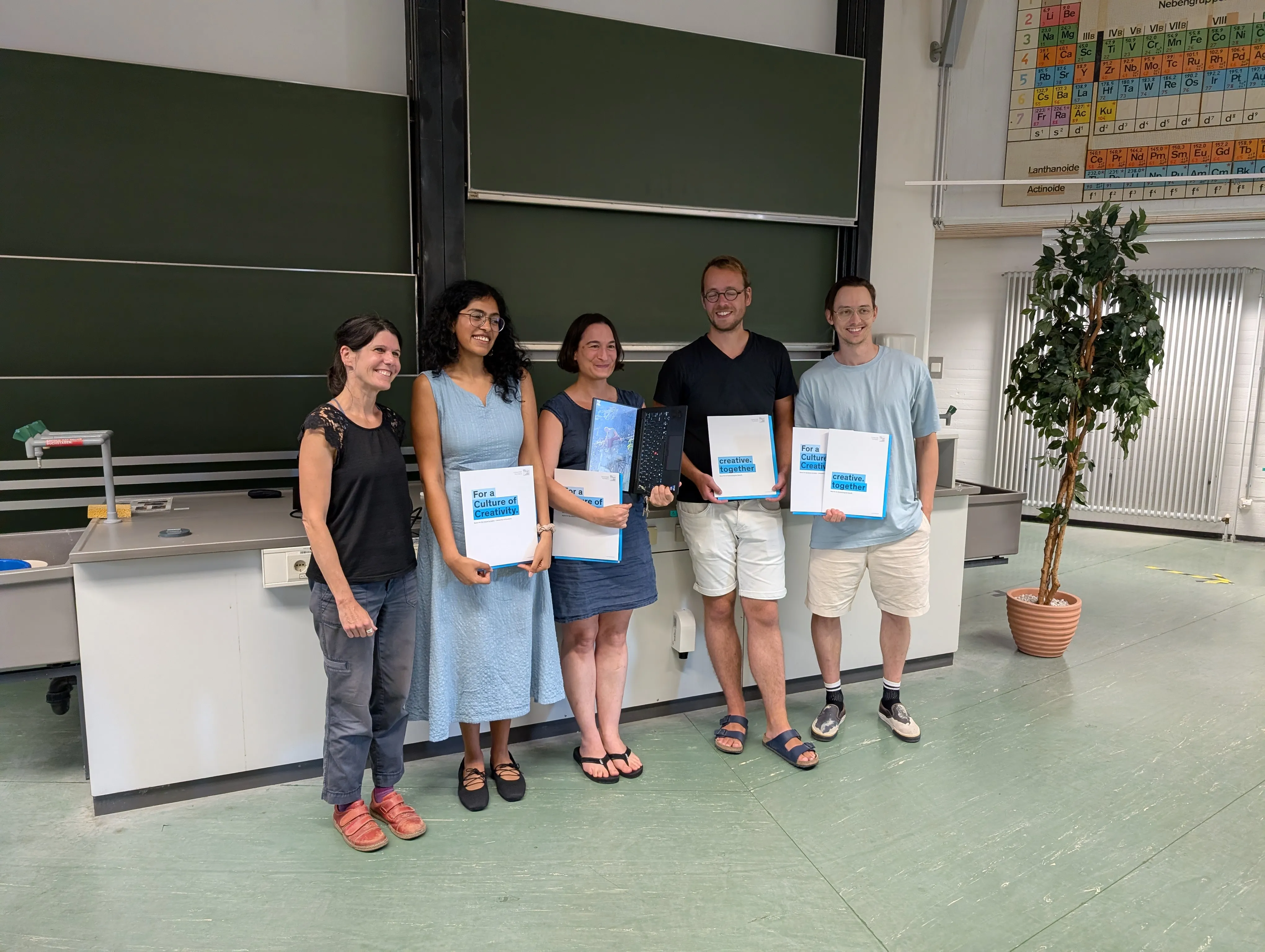
CASCB AT BIOLOGY DEPARTMENT AWARD
CASCB researchers Akhila Mudunuri and Katja Slangewal received the Department of Biology’s Best Paper Awards 2026, while Anupama Nayak Manel received the Best Poster Award. Akhila was recognised for her Science Advances paper on social distancing in fly larvae, while Katja’s Nature Communications study explores how larval zebrafish integrate multiple visual cues to guide their behaviour. Anupama’s poster explores the visual world from a hawkmoth’s point of view. Congratulations to all three!
In the cluster
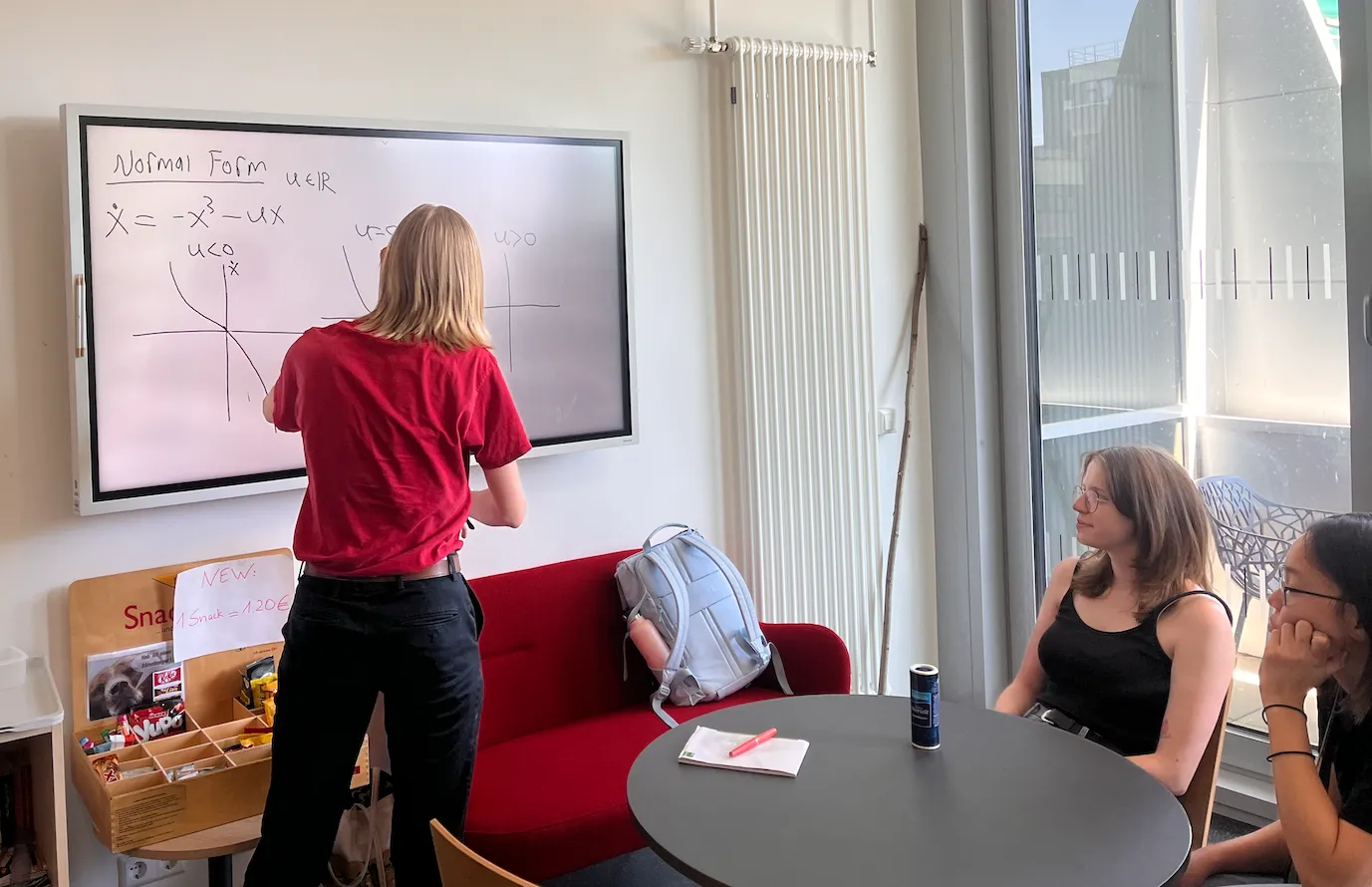
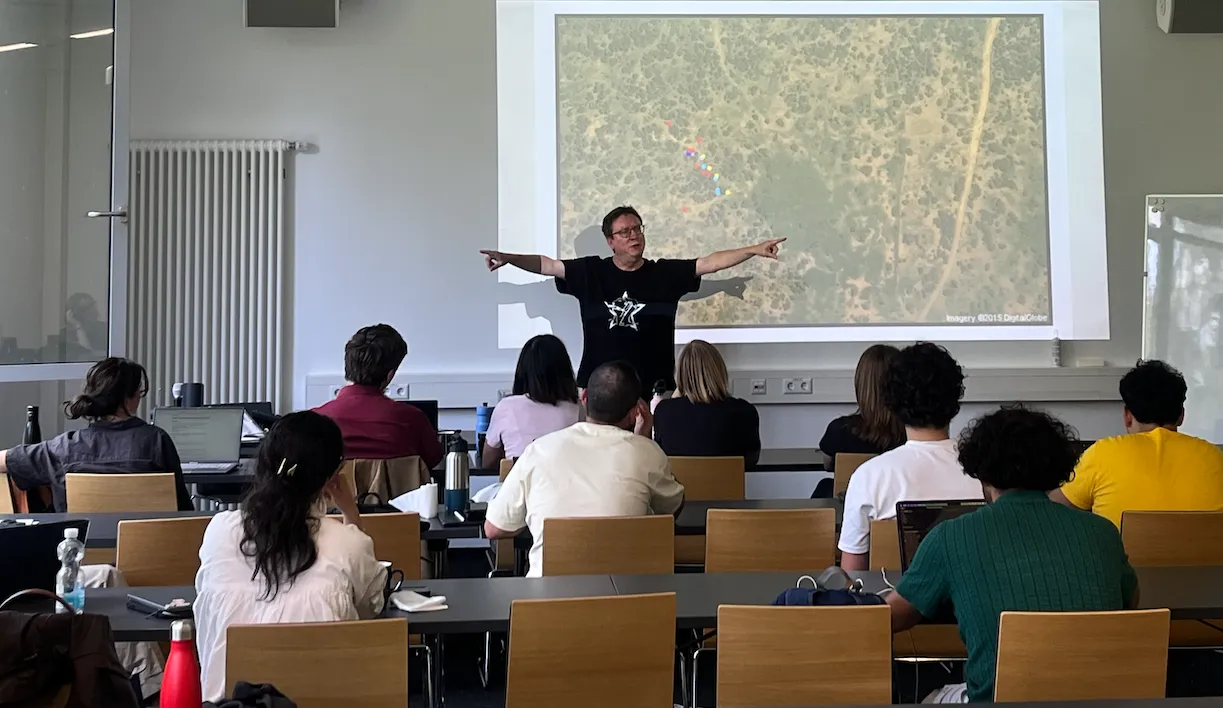
KSCB RECAP
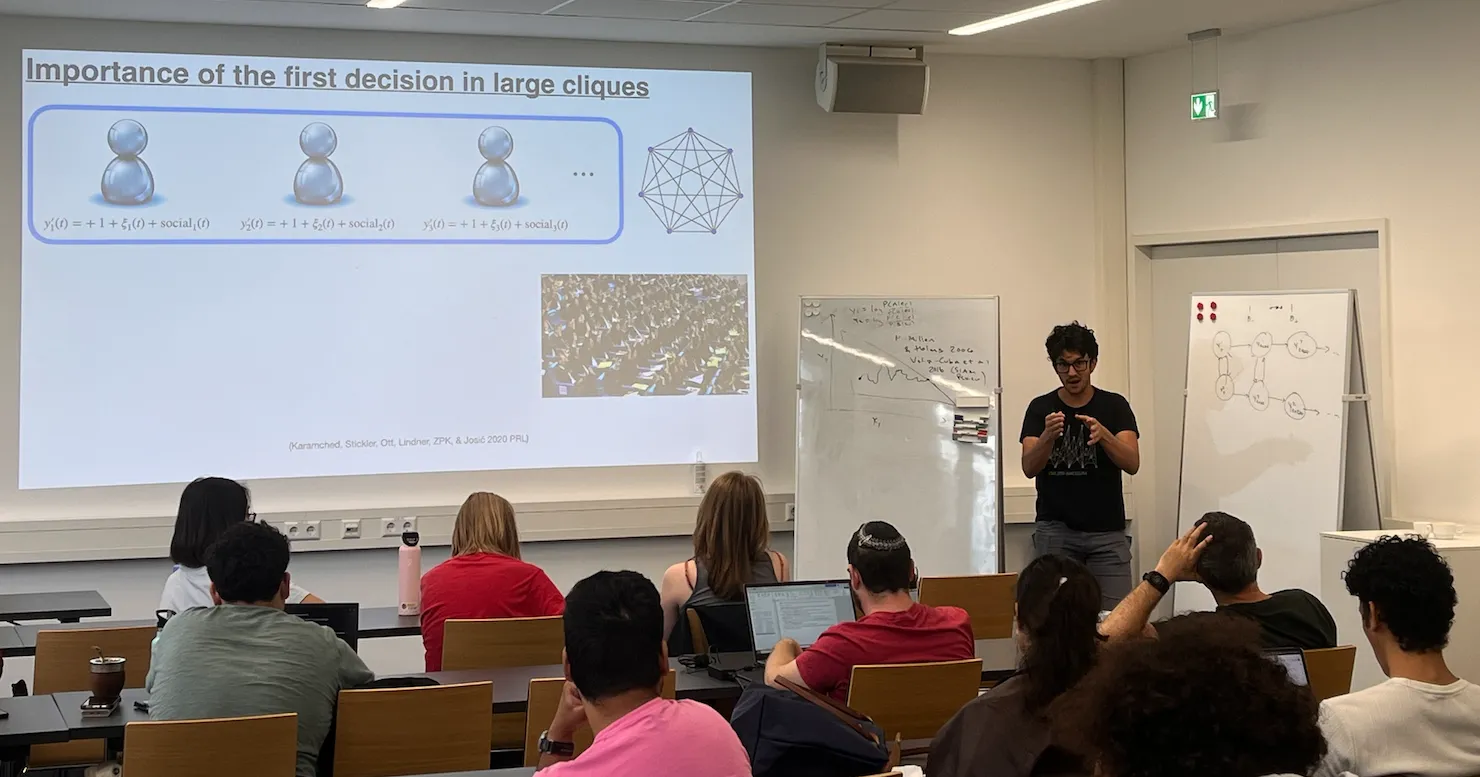
This July, the CASCB hosted its fourth Konstanz School of Collective Behaviour (KSCB), bringing together fourteen doctoral researchers from twelve different nationalities for three weeks of interdisciplinary exchange. Through lectures, workshops, and research projects, participants explored collective behaviour across disciplines, from biology and physics to mathematics and robotics. Beyond the classroom, shared meals, excursions, and the infamous bike-bridge plunge brought the group together. Participants left Konstanz with new perspectives, new connections, and several potential collaborations already in the making.
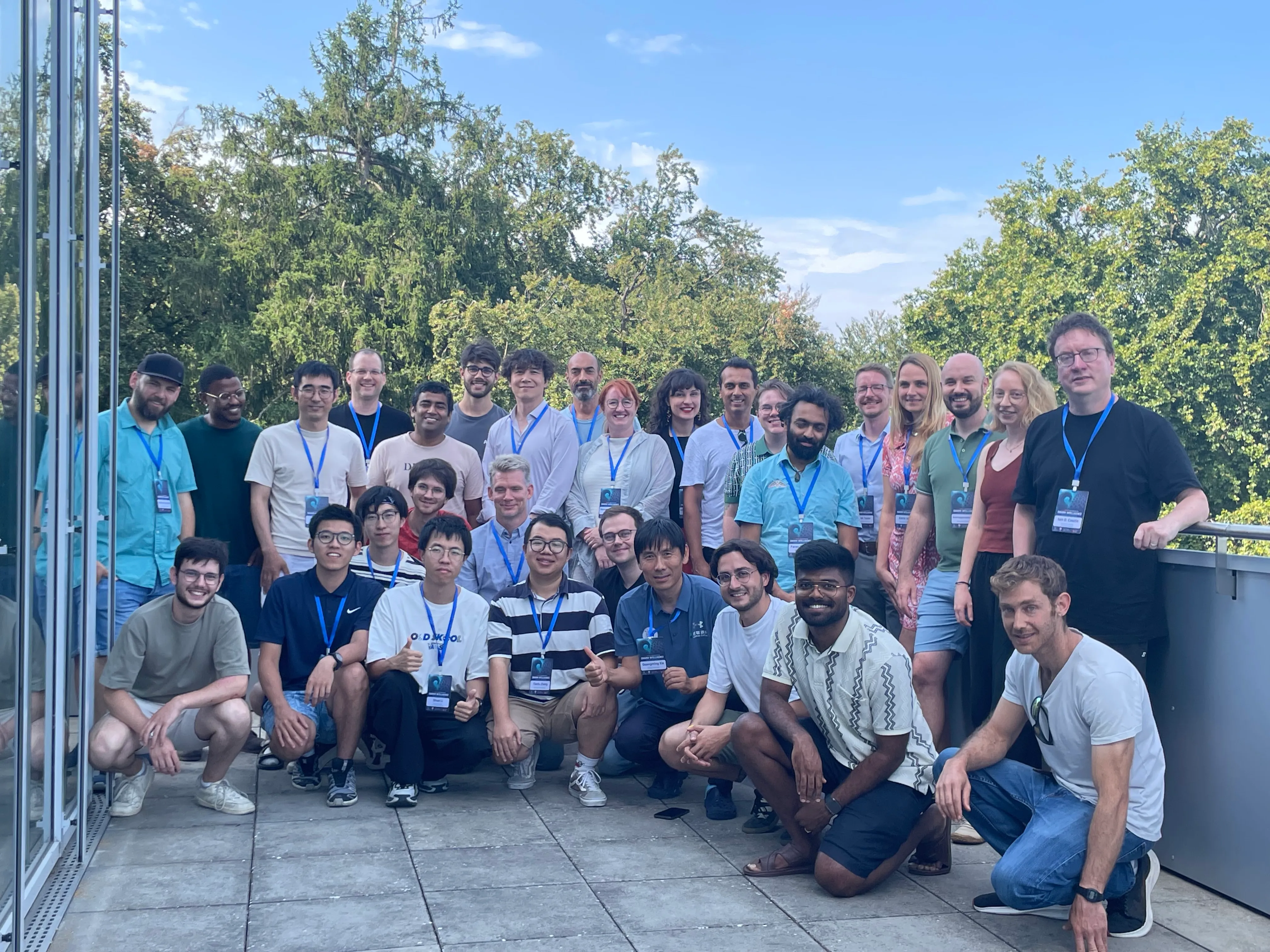
SINO-GERMAN WORKSHOP RECAP
Researchers from across Europe, China, and the United States gathered in Konstanz for the third Sino-German Workshop, this year on Swarm Intelligence in Biology and Robotics. The workshop explored how insights from natural collective behaviour can inspire robotic systems and how robots can help answer biological questions. Over two days, participants exchanged ideas through keynote lectures, research talks, and collaborative brainstorming sessions, strengthening international and interdisciplinary connections in swarm intelligence research.
New to CASCB
New swarm members have joined our community in the past month! We warmly welcome and proudly introduce:
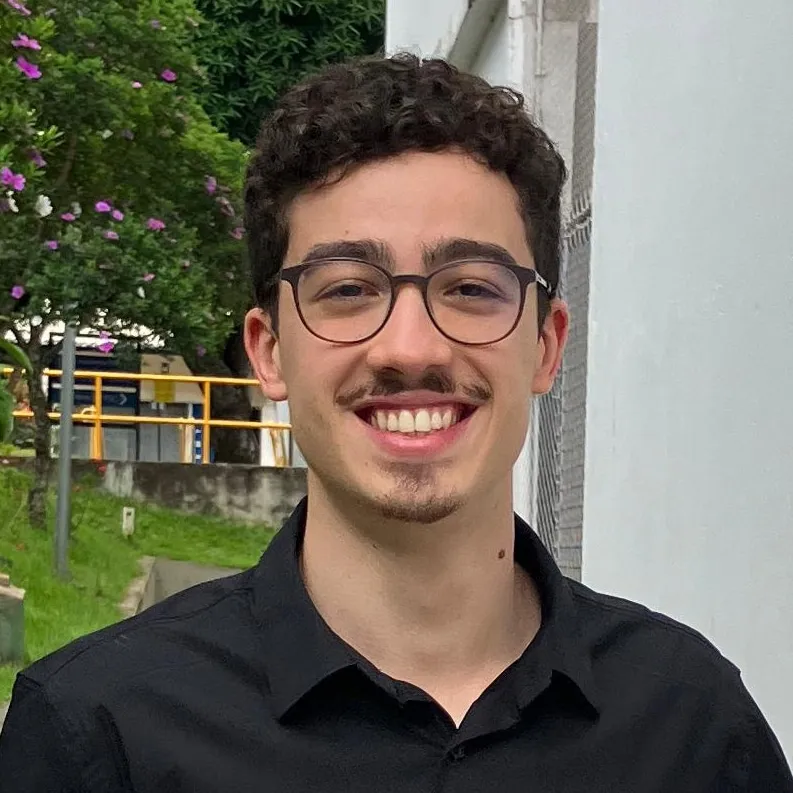
Matheus Stefanini-Mariano, Doctoral Researcher, Biology, CASCB
“My research focuses on inferring the dynamical interactions underlying collective behaviour in animal and human systems. By combining tools from statistical physics, complex systems science, agent-based modelling, and information theory, I develop quantitative methods to infer interaction dynamics from behavioural data and investigate how local interactions give rise to emergent phenomena such as social organisation, information transmission, and collective decision-making.”
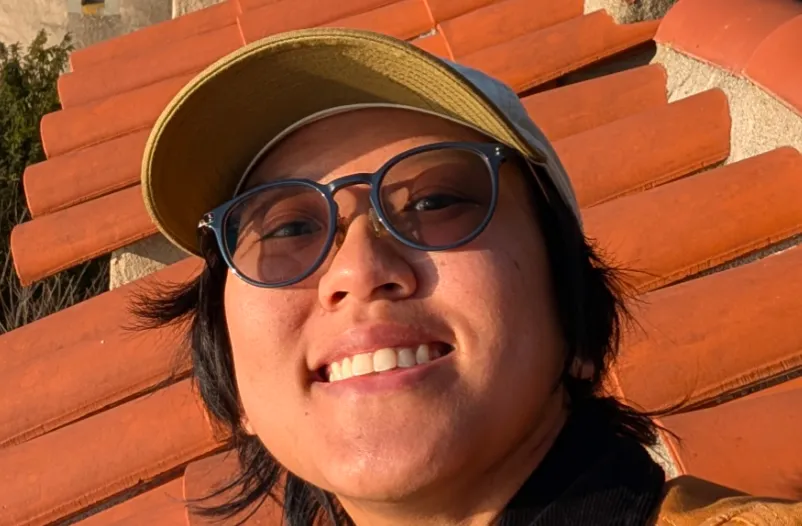
Claire Wong, Doctoral Researcher, Biology, Uni Konstanz
“I am interested in how individual behaviour shapes collective behaviour and how social environments influence individuals in return. During my PhD, I study phase transition in the desert locust (Schistocerca gregaria), investigating how individual behavioural preferences, including personality and lateralization, change as locusts transition from solitary to gregarious phases. By linking individual variation with density-dependent phenotypic plasticity, I aim to better understand the mechanisms driving swarm formation and collective behaviour.”