© Gabriella Gall
Read this issue online
Scan or click to open it in your browser
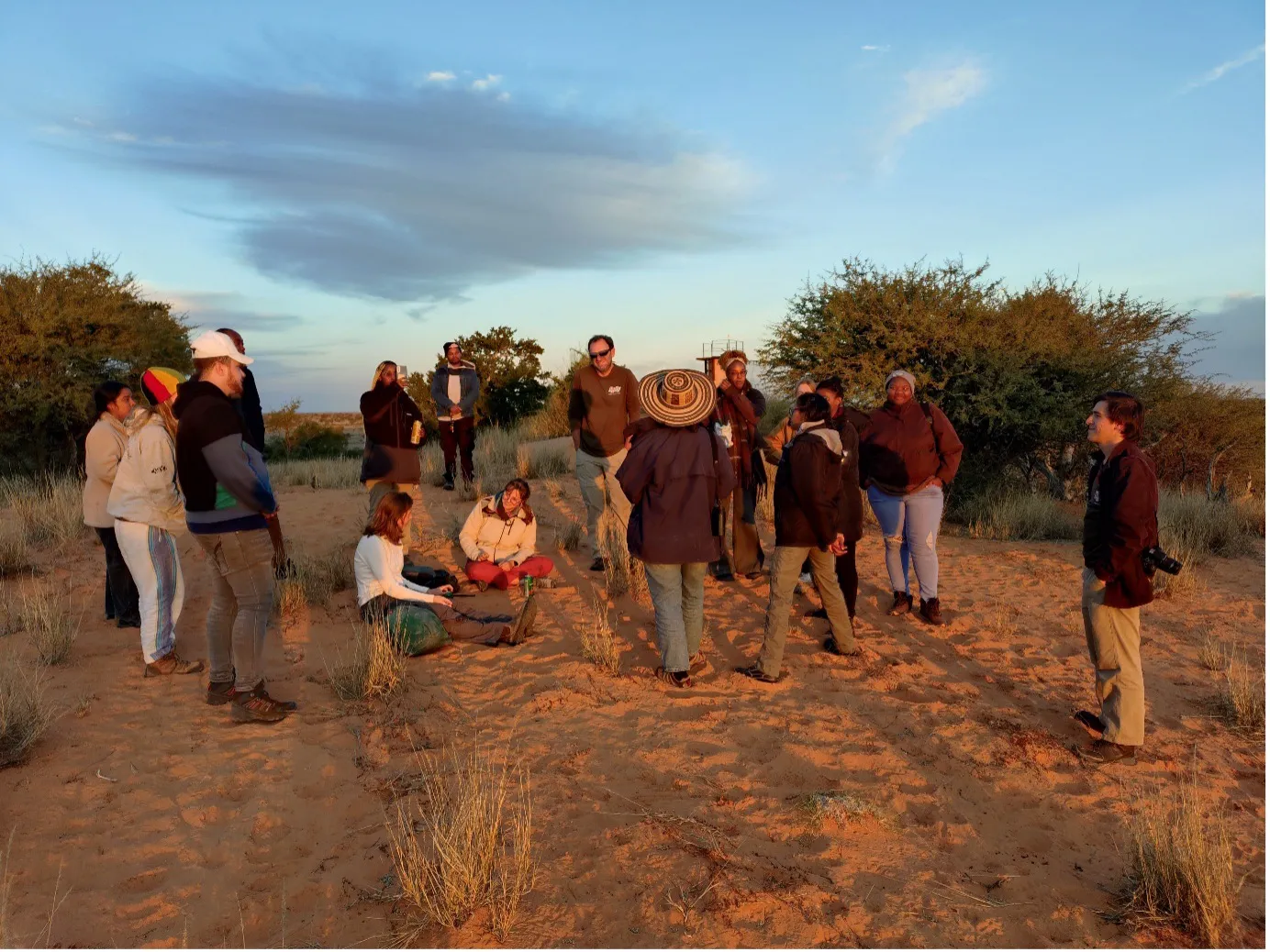
The 2026 Collective Behaviour Field Course has wrapped up! Scroll down to learn more - and keep an eye out for the fun video!
Important news
EVENTS
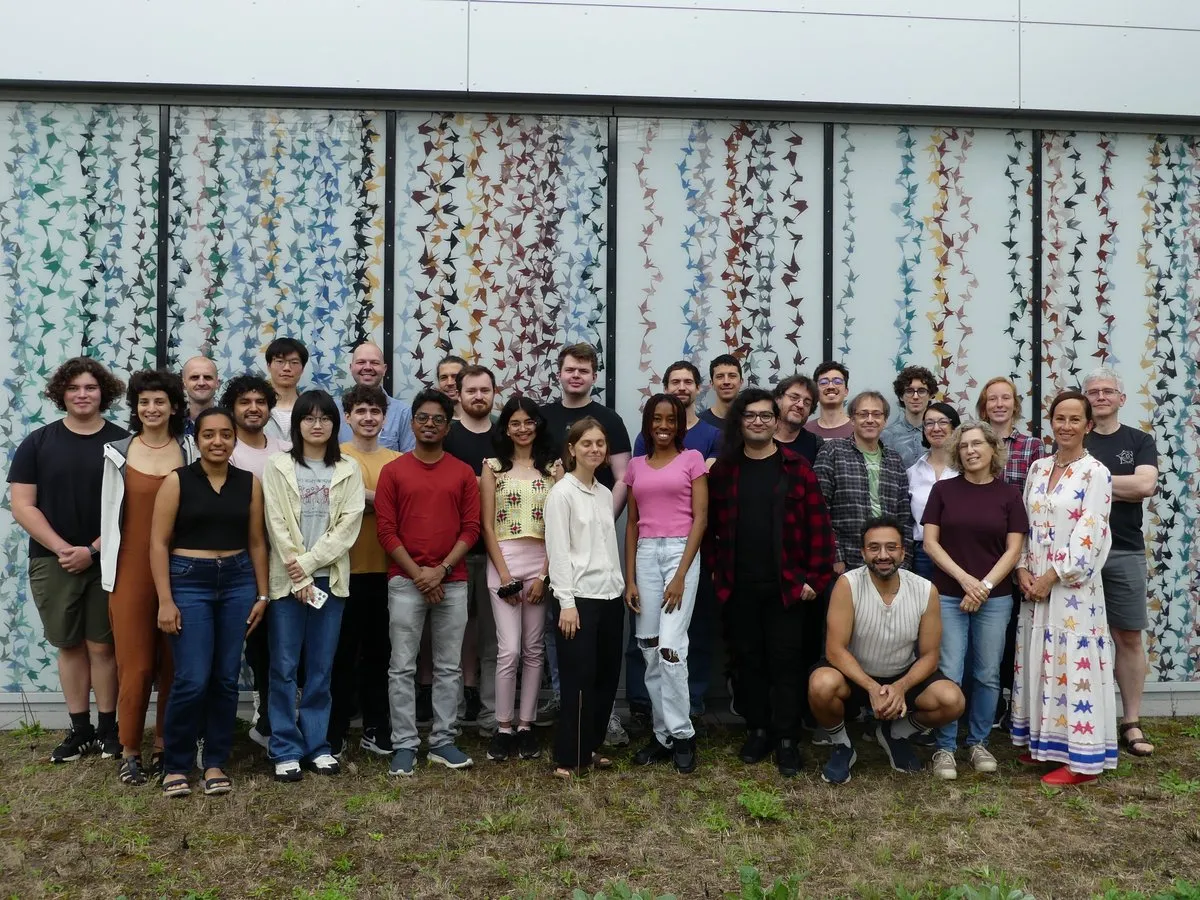
The yearly tradition of the Konstanz School of Collective Behaviour continues! From July 21st-August 7th, we are excited to welcome another group of students. You’ll find them during breaks on ZT9, so feel free to stop by. You’re also welcome to join any of the lectures throughout the programme.
EVENTS
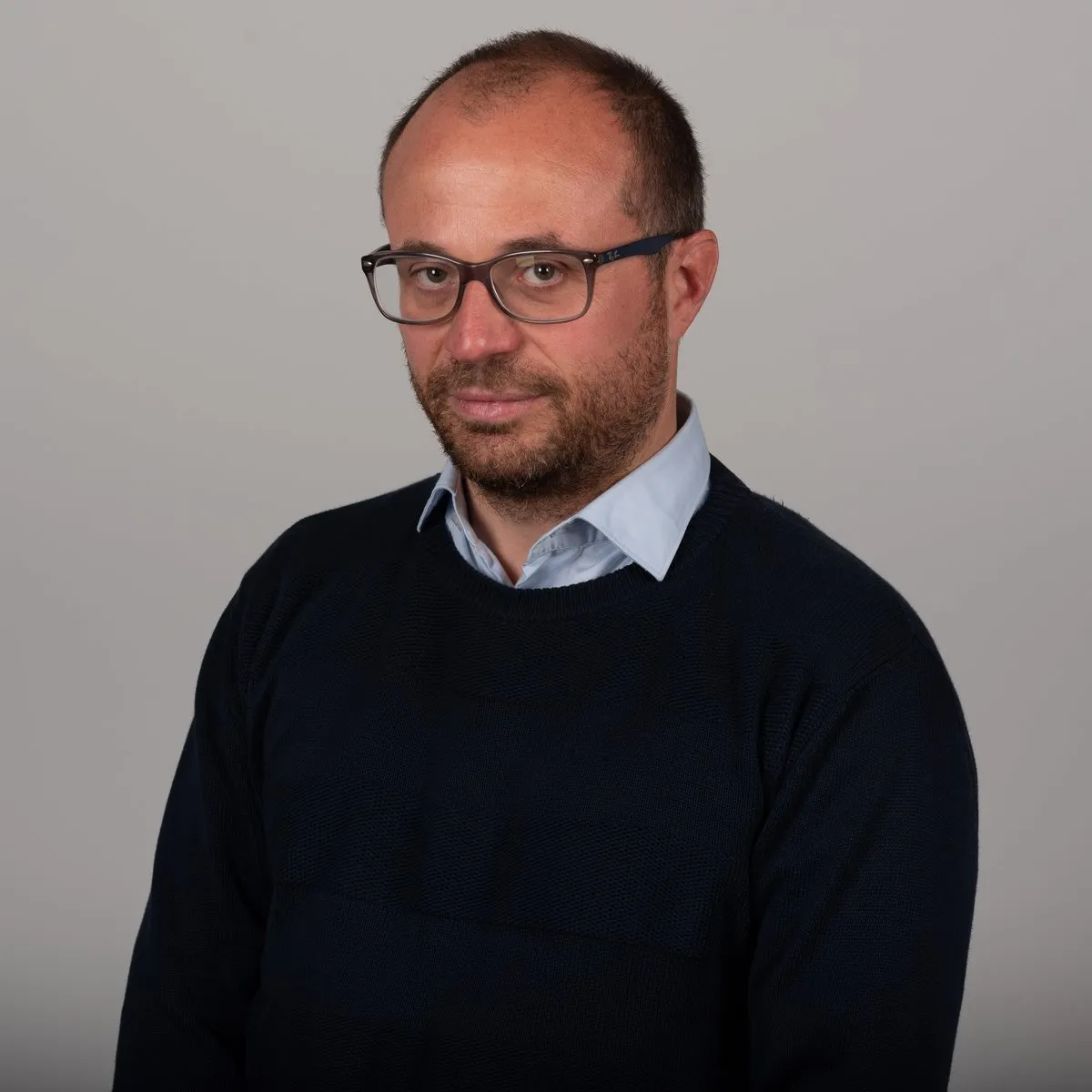
In the upcoming CASCB Talk Fabio Antonacci will explore the latest advances in studying animal hearing and acoustic behaviour in natural environments, and how new technologies are transforming field research. Join us on Friday, July 17th, 3:15pm in ZT702.
MEDIA

CASCB researchers have shown that early visual experiences shape how the zebrafish eye develops. Using virtual reality, the team found that what young fish see influences the retina’s structure and function, revealing that the environment plays a key role in visual development from the very beginning.
Have you heard?
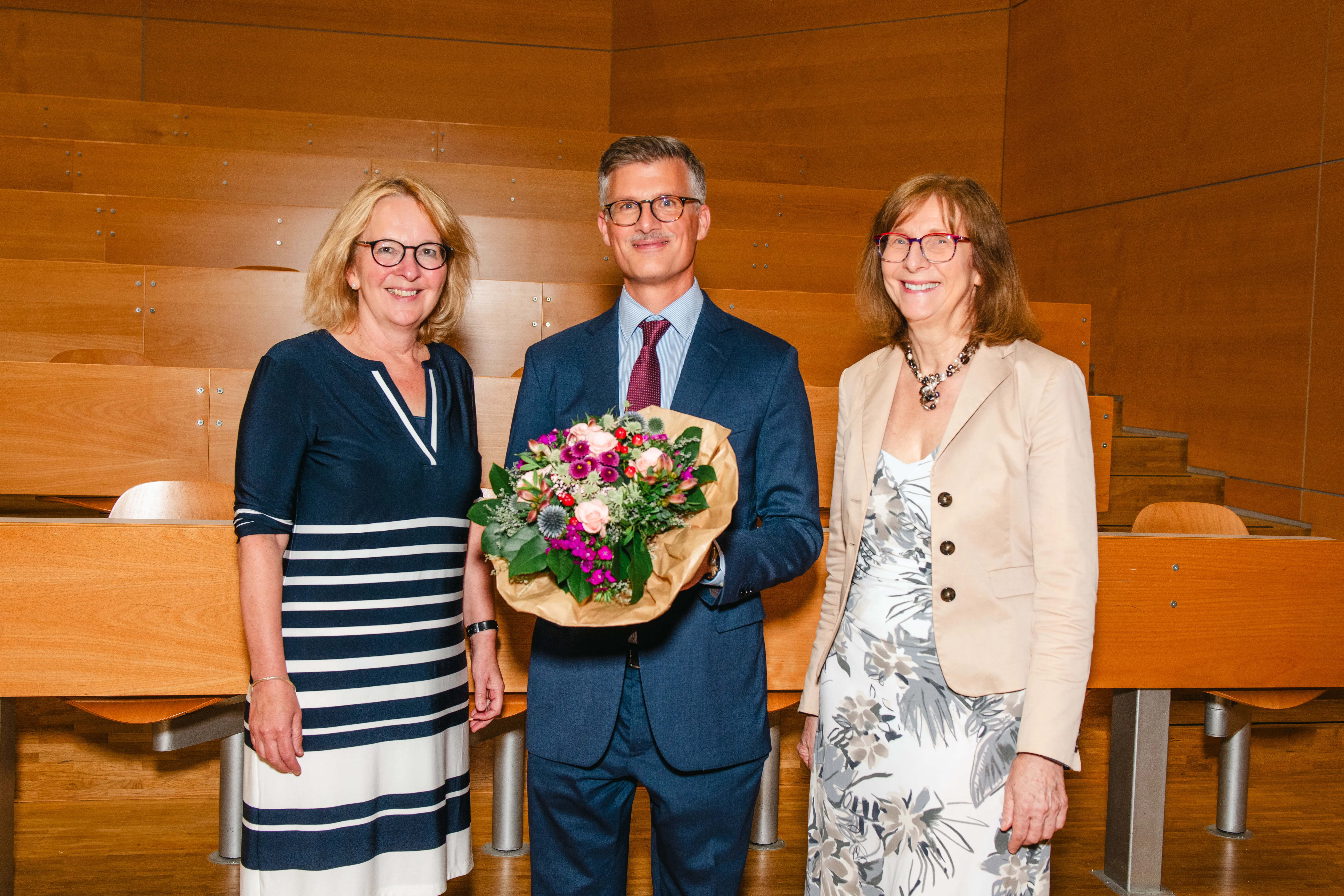
DIRK LEUFFEN ELECTED NEXT RECTOR
In a joint meeting on July 10th, the Senate and University Council of the University of Konstanz elected Dirk Leuffen, who is currently Vice Rector for Research, Innovation, and Impact, to become the next rector at the University of Konstanz. In the spring of 2027, Dirk Leuffen will take over from rector Katharina Holzinger, whose term of office ends as scheduled in February of 2027. CASCB looks forward to continuing to work with Dirk Leuffen and warmly congratulates him on his election!
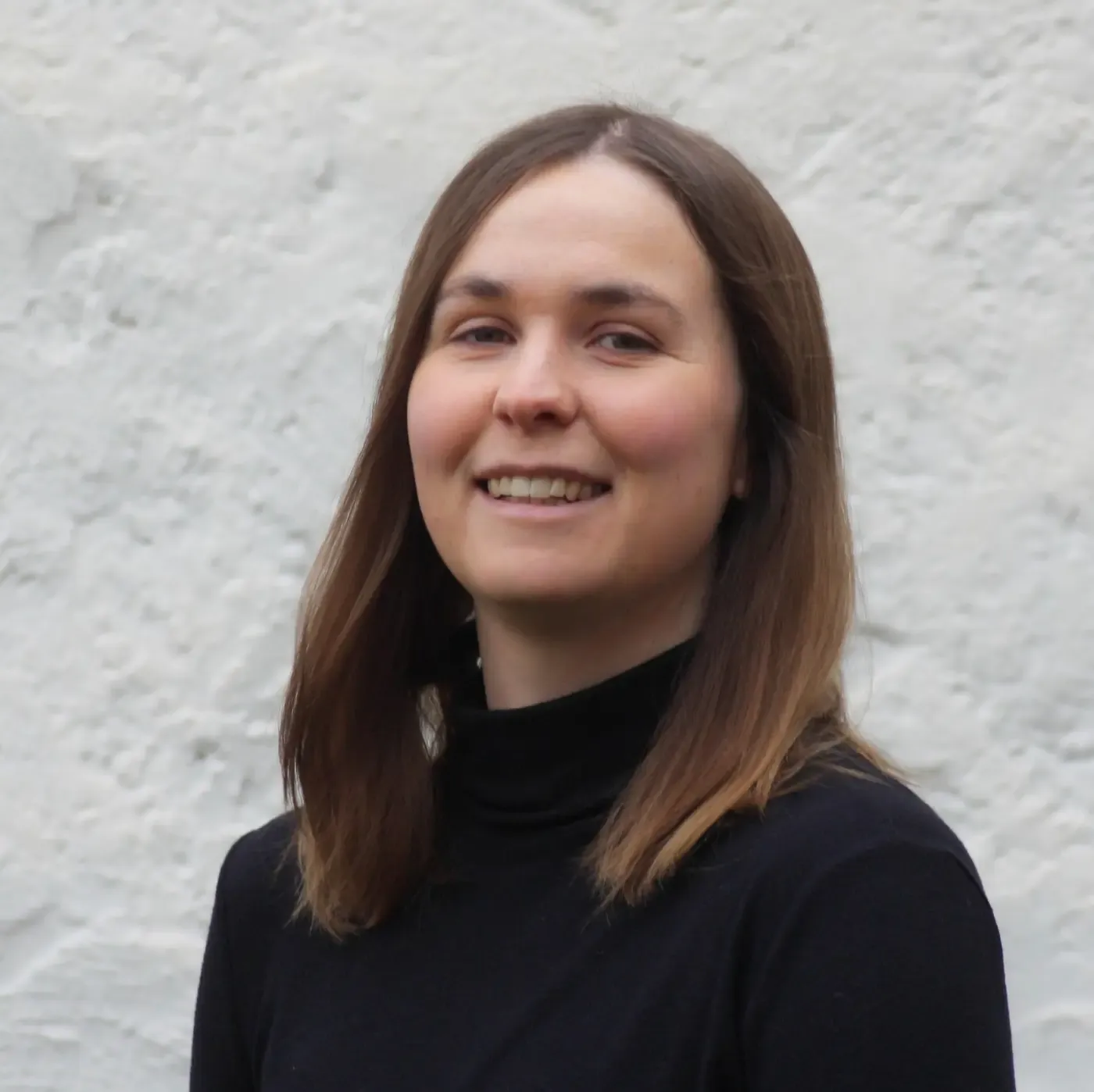
MINERVA FELLOWSHIP FOR ZOE
CASCB researcher Zoë Goldsborough has been awarded a prestigious Minerva Fast Track Fellowship to establish her own research group at the MPI-AB. Her new group, Culture and Social Behavior, will investigate how cultural traditions and social relationships shape one another in wild primates, shedding new light on the evolution of animal societies.
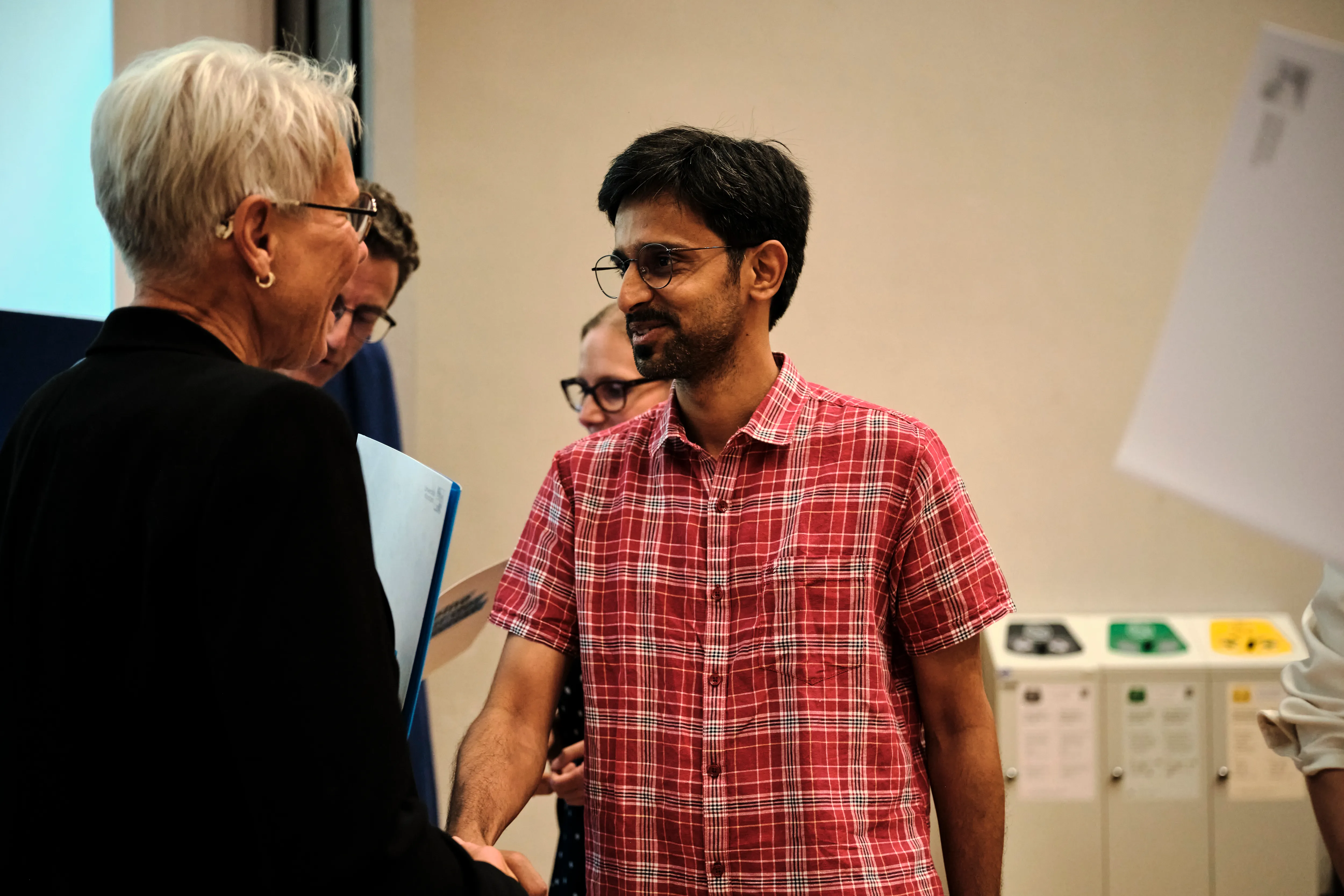
MESSMER PRIZE FOR THEJASVI
“I was awarded the Messmer Stiftung Preis, which will allow me to communicate my enthusiasm for echolocation and bats, specifically by focussing on outreach activities with the local schools in the Konstanz area. The idea is to spend an evening on a ‘bat-walk’, showing students how and where bats fly around them, especially with the use of our in-house real-time bat trackers we are currently developing. The bat-trackers will be loaned out for 1-2 weeks to the class. During this time, the students can design their own questions (e.g., the effect of weather, light-levels, or traffic on bat activity), collect data, with perhaps a short set of presentations on what they found at the end.”
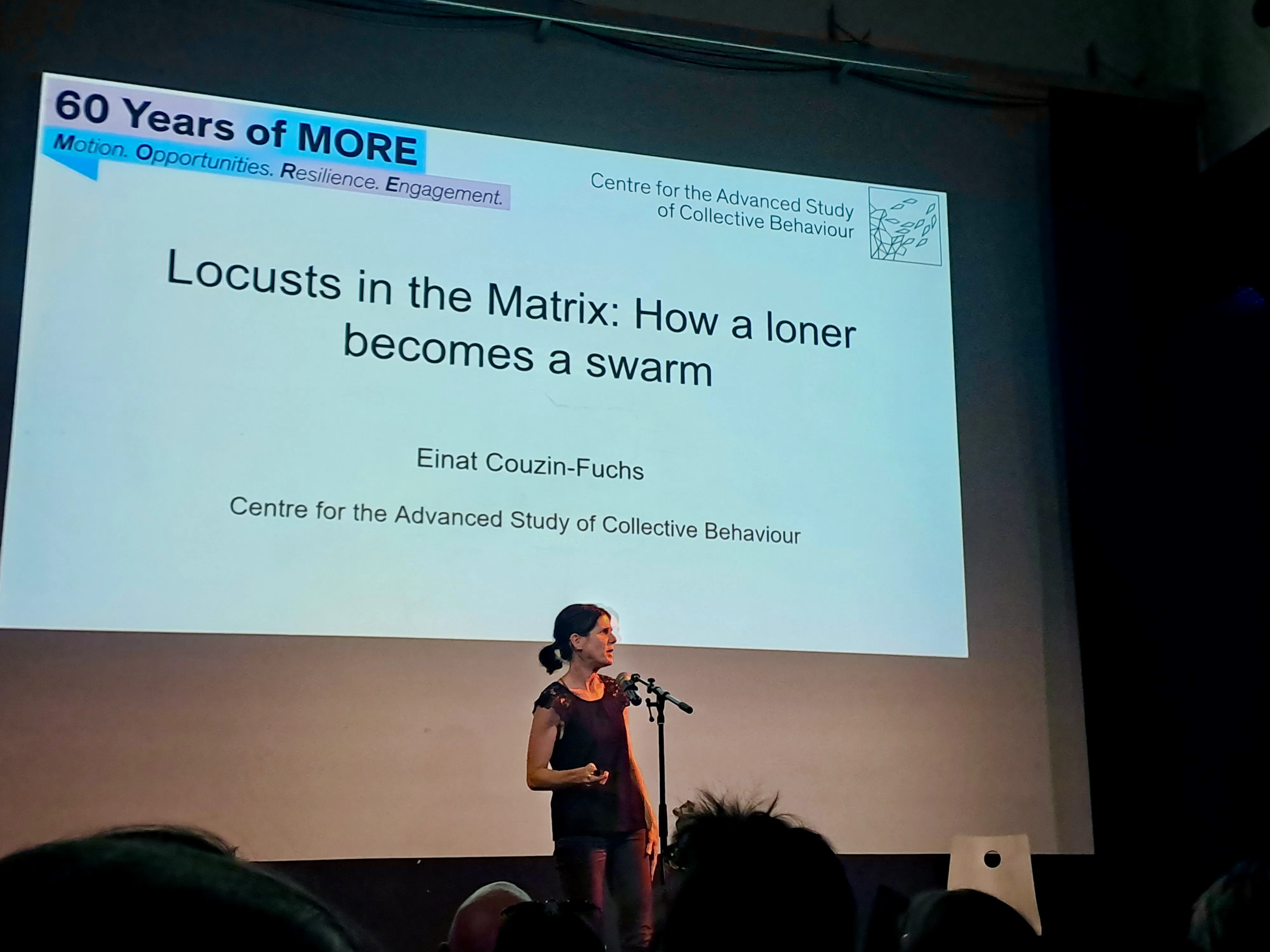
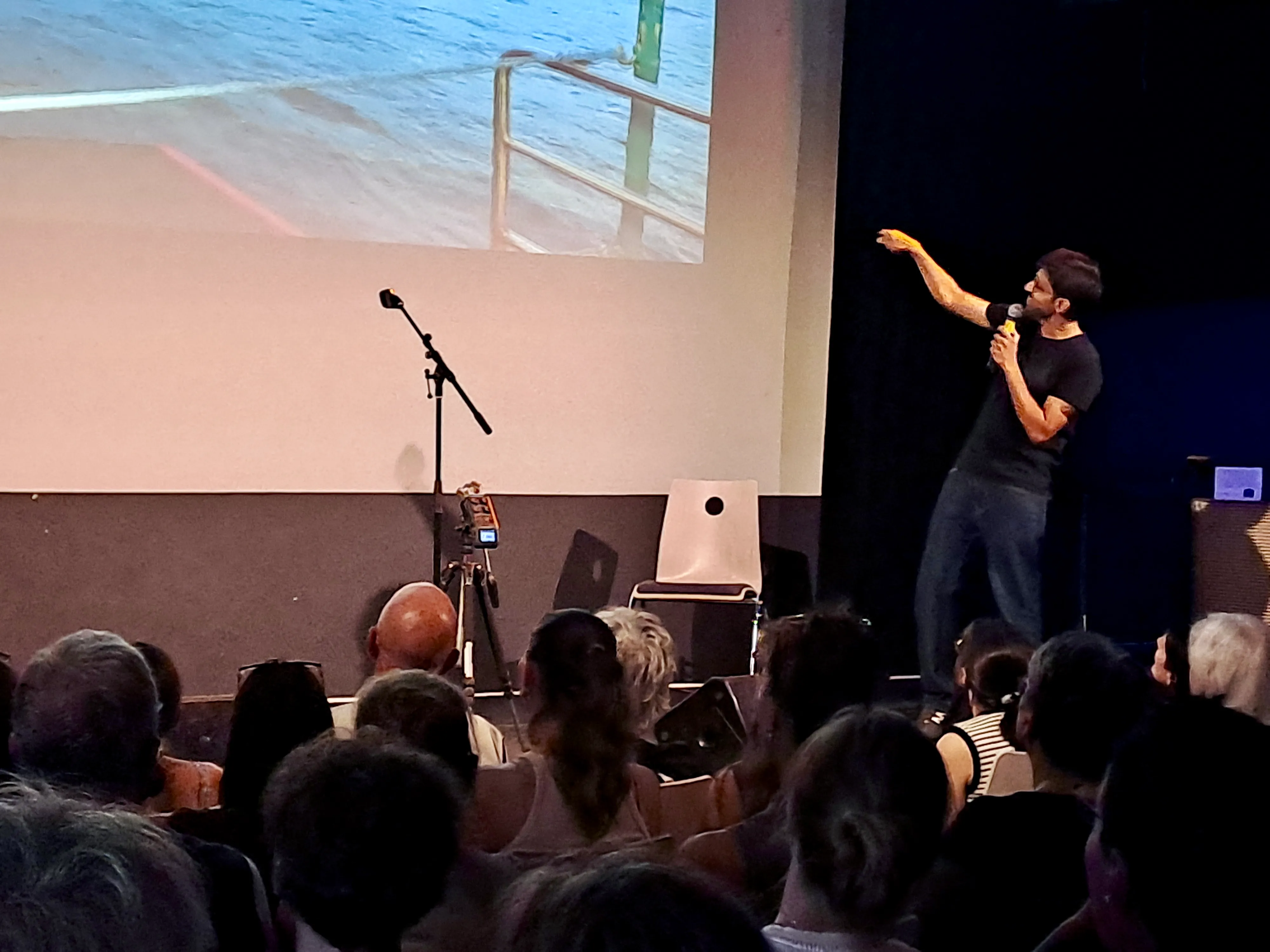
CASCB WINS OPEN SCIENCE SLAM
CASCB researchers Einat Couzin-Fuchs and Thejasvi Beleyur took first place at the Open Science Slam held as part of the university’s 60th anniversary celebrations. The event brought together seven scientists who shared their research through engaging, accessible presentations designed to spark curiosity beyond the lab. Einat’s talk brought the fascinating world of migratory locusts and insect collective behaviour to life through stunning imagery and storytelling. Thejasvi explored the hidden acoustic world of bats - and turned an unexpected sound system failure into a memorable science communication moment by recreating bat calls himself. The slam highlighted the creativity and passion behind CASCB’s research, showing how complex scientific ideas can be shared in ways that connect with a wider audience.
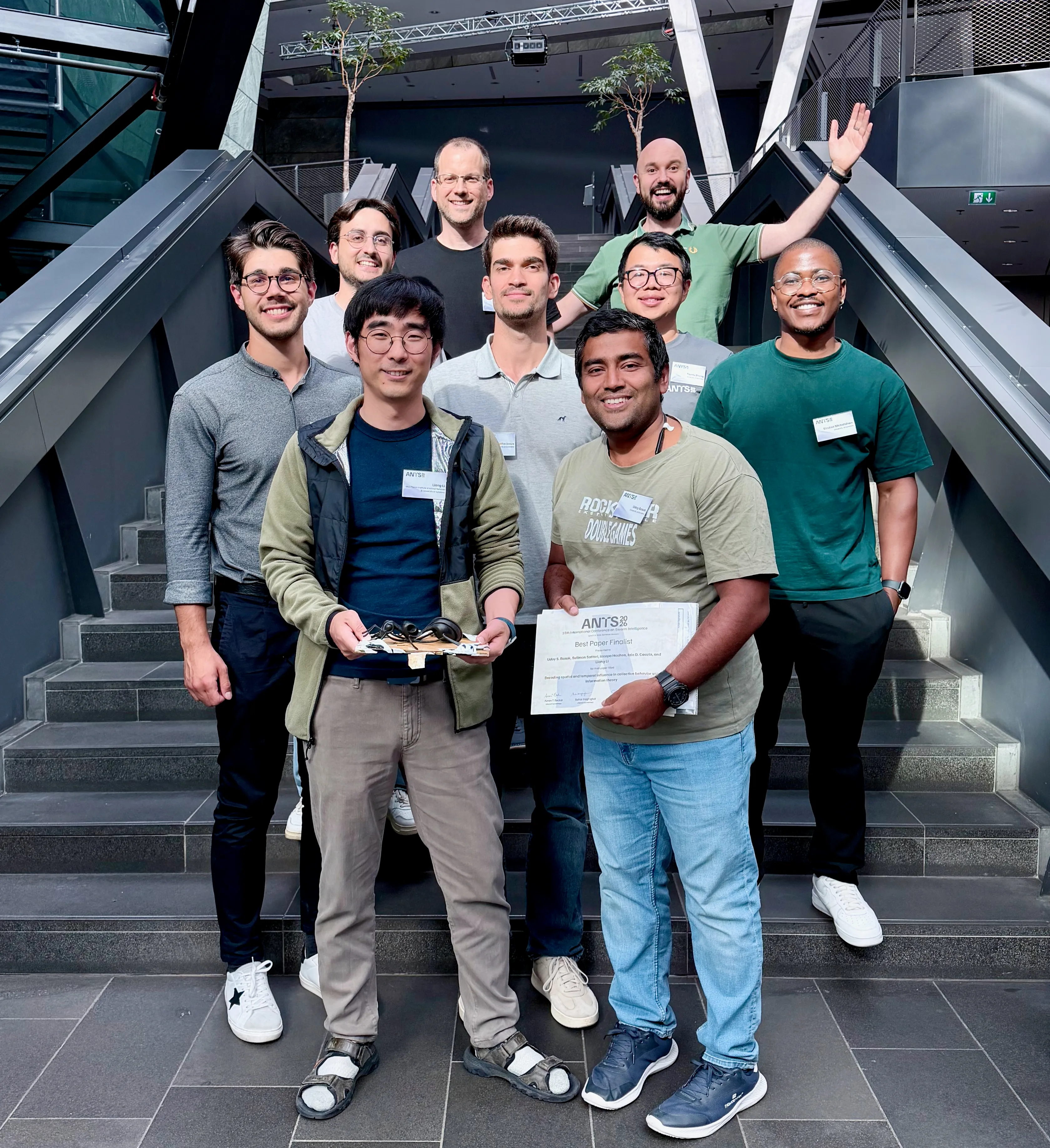
ANTS 2026 BEST PAPER AWARD
A bunch of CASCB researchers made a strong showing at ANTS 2026, the leading international conference on swarm intelligence, with 13 contributions spanning papers, posters, and robot demonstrations. The highlight: a Konstanz team received the Best Paper Award for their work on how information flows through animal and robot collectives. Two additional Konstanz papers were shortlisted as finalists, showcasing the strength and diversity of collective behaviour research across the cluster.
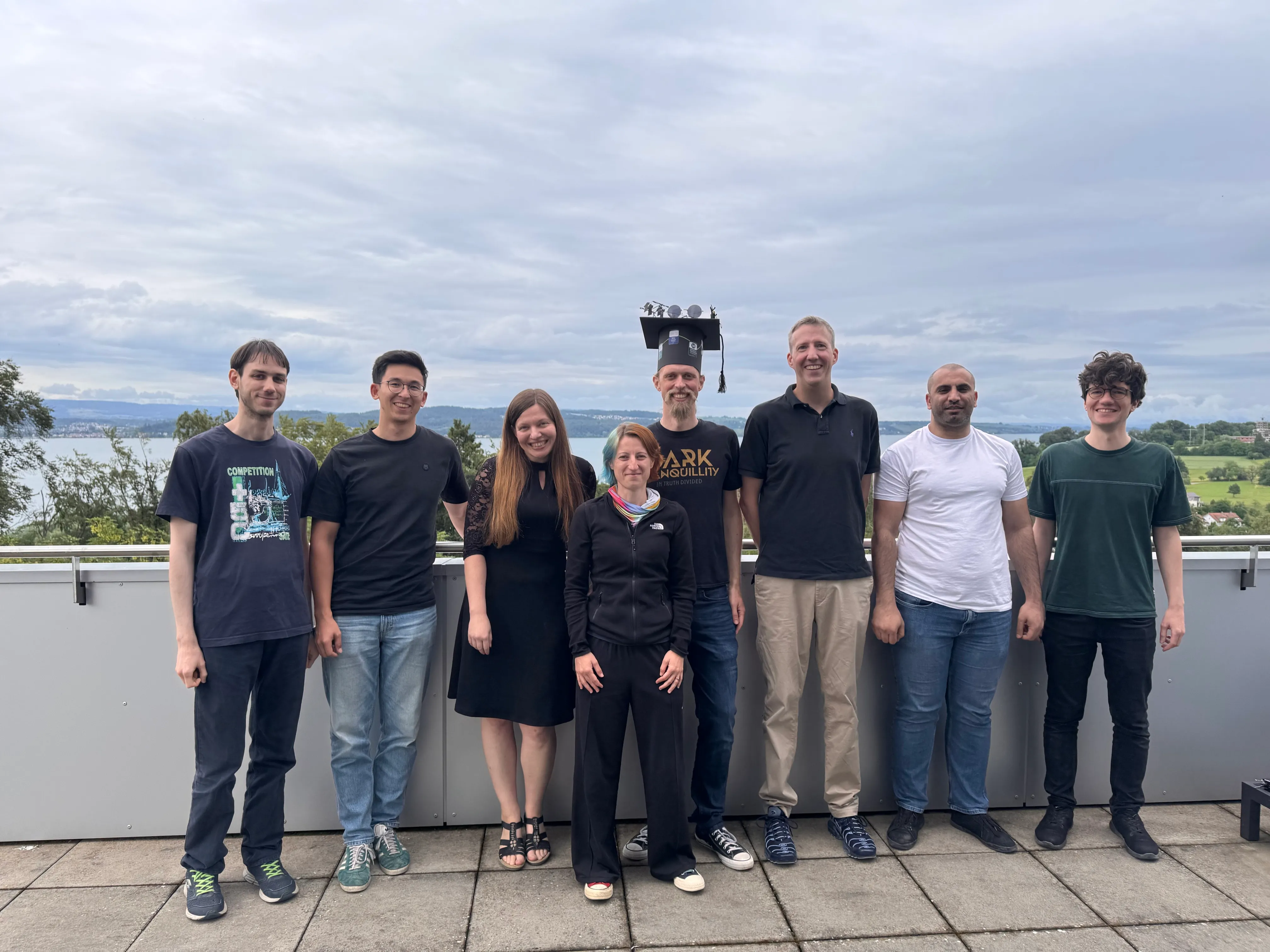
JOHANN DEFENDED HIS PHD THESIS
“Trajectories are everywhere! They are the digital traces of movement that GPS devices and tracking systems produce across urban mobility, ecology, and logistics. The trouble is that this data comes in inconsistent formats, carries inherent uncertainty, and rarely fits a unified query interface. During my PhD, I developed methods to reconstruct routes from sparse data and a prototype system to query heterogeneous sources through one interface. I’m grateful to the CASCB community for the interdisciplinary exchange, the doctoral network, and the many cluster events that made these years so rewarding. Thank you!”
In the cluster
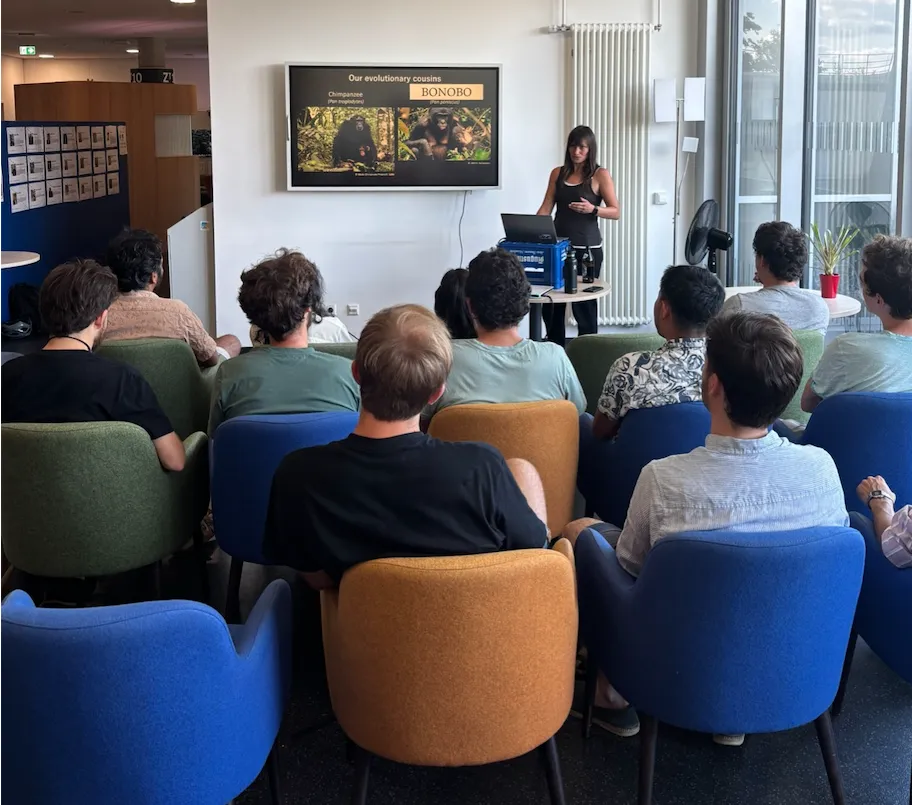
PHD NETWORK EVENTS RECAP
CASCB’s Doctoral Network has wrapped up another exciting round of events, bringing together researchers from across disciplines to share ideas, spark discussion, and celebrate the fascinating science happening within our community. Our latest talk in the THEORYseries featured Hannah Williams, who gave an engaging and interactive talk on optimal movement theory and how animals across species use social information to navigate their environments, sparking lively conversations that carried the excitement of the discussion well beyond the talk itself. Sips & Science was another fun and engaging evening! From the social behaviour that forms the backbone of bonobo communities to uncovering how animals adapt to and thrive in a chaotic world, Sonya and Eduardo highlighted the exciting research being conducted by our community here in Konstanz, taking us on a journey far beyond our own backyard. A big thank you to our speakers, organisers, and everyone who joined us. We look forward to seeing you at our upcoming events as we continue to connect, learn, and celebrate the incredible research taking place here in Konstanz.
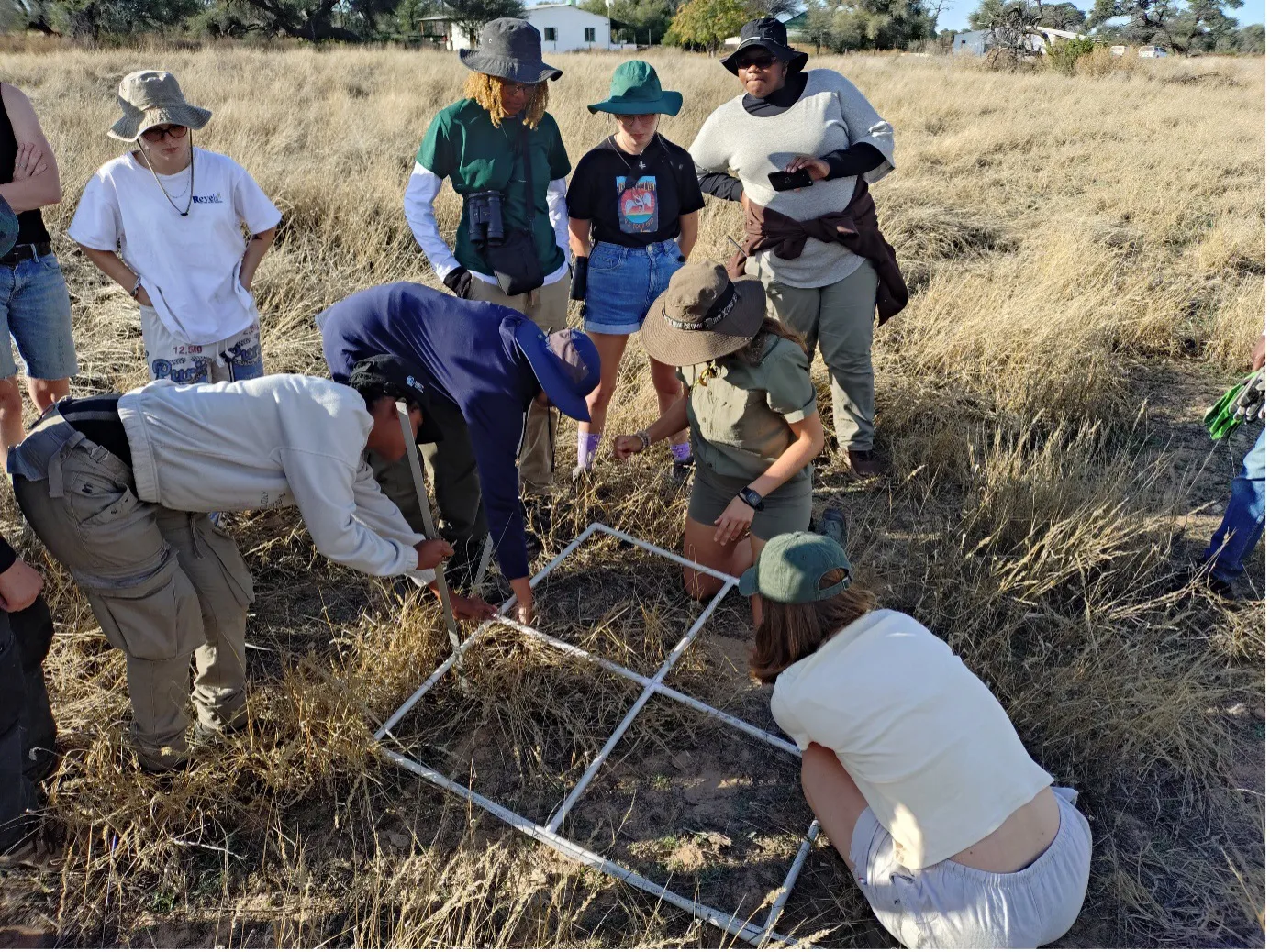
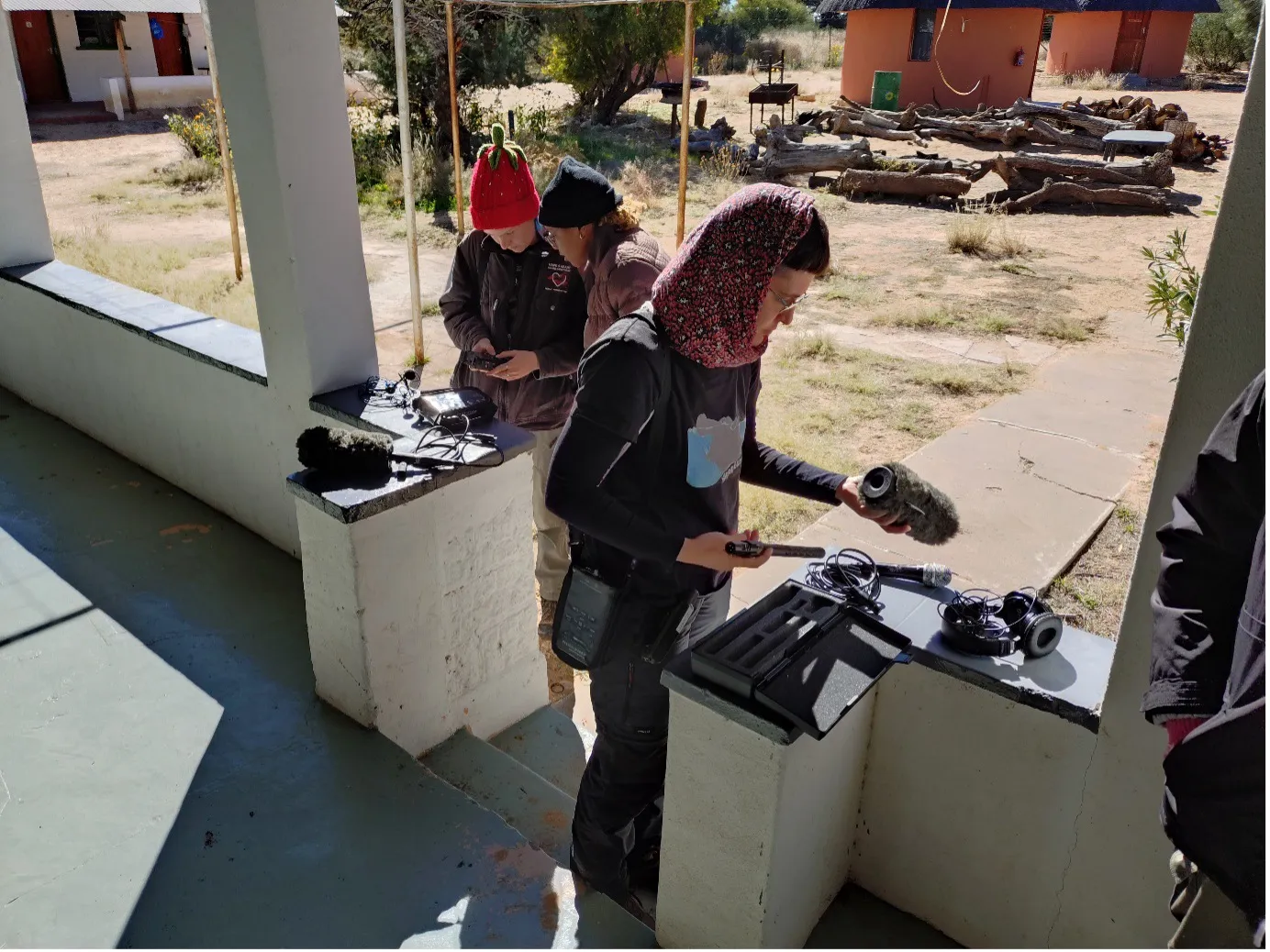
COLLECTIVE BEHAVIOUR FIELD COURSE RECAP
We are delighted to announce the successful completion of the 2026 Collective Behaviour and Communication Field Course at the Kalahari Research Centre! This intensive two-week programme provides South African Master’s students with hands-on training in field research methods and data analysis. The course is led by Vlad Demartsev and Gabriella Gall from the CASCB, Chanel Rampartab from the University of the Witwatersrand, and Kyle Finn Linnaeus University. We were especially pleased to welcome back two alumni from last year’s cohort as teaching assistants, while members of the CASCB, MPI-AB, and KRC contributed lectures throughout the course. The programme concluded with an impressive series of student research presentations, showcasing the skills and knowledge gained during the field course. We extend our sincere thanks to all contributors, instructors, and supporters whose efforts made this year’s course another outstanding success. Special thanks also to the Association for the Study of Animal Behaviour and the British Ecological Society for supporting this course.
New to CASCB
New swarm members have joined our community in the past month! We warmly welcome and proudly introduce:
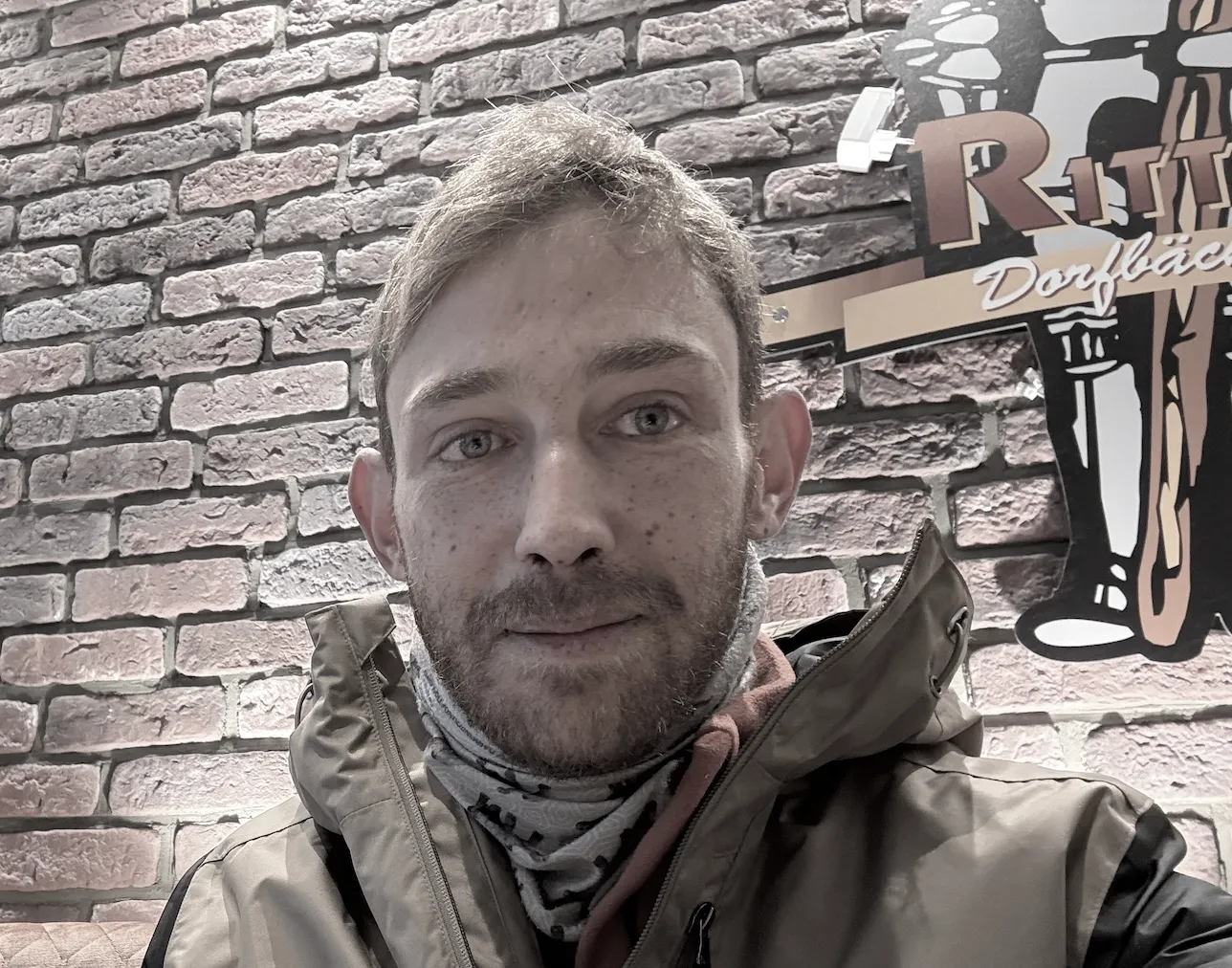
Matan Yuval, Postdoctoral Researcher, MPI-AB
“My research focuses on coral colony formation via a zooid centric approach. I employ underwater photogrammetry, computer vision, and agent based modelling to study the collective behaviour of coral zooids: the basic building blocks of coral colonies. I use simulations based on real-world data to study how coral colonies emerge from zooid budding dynamics, how small changes in zooid behaviour lead to different colony forms, and how these patterns are affected by the environment.”
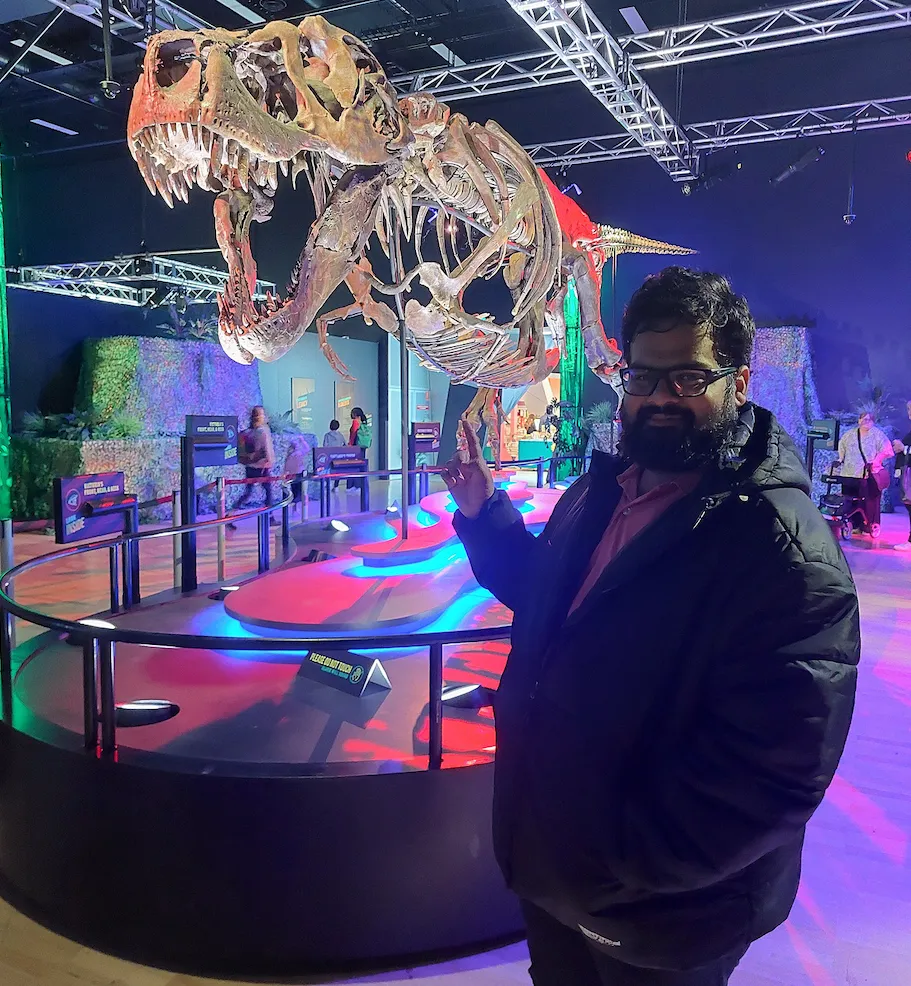
Pranav Minasandra, Postdoctoral Researcher, MPI-AB
“I study the complex nature of decision-making at the individual level, focussing on multi-scale behaviour across animal species in the wild. This implicit acknowledgement of the complexity of one individual allows me to pose questions about how the collective behaviour of complex agents can unfold.”
UNI OFFERS

GRANT PROPOSAL WRITING WORKSHOP
Learn the essentials of successful grant writing in this two-day workshop from the university’s Research Support on July 30th-31st. From identifying funding opportunities to writing a compelling proposal and preparing a realistic budget, the course provides practical guidance for postdoctoral and advanced doctoral researchers.
ZUKO VISITING FELLOWSHIP
The Zukunftskolleg offers Visiting Fellowships of up to four months for early-career researchers looking to join an interdisciplinary community, collaborate across fields, and make the most of an inspiring research environment. If you’re ready for new perspectives and fresh connections, applications for the winter semester are open until October 1st.