© Federico Visi
Read this issue online
Scan or click to open it in your browser
Read all about CASCB’s first artist residency below!
Important news
EVENTS
The Spring Seminar Series is kicking off again on April 27th with a talk by Isabella Fiorello (University of Freiburg). Also, we are looking forward to two other guest talks in May - Bernat Corominas-Murtra (University of Graz - May 11th) and Emily Dennis (Janelia Research Campus - May 22th). We still have some open slots to fill and are looking for suggestions for internal or external speakers.
EVENTS
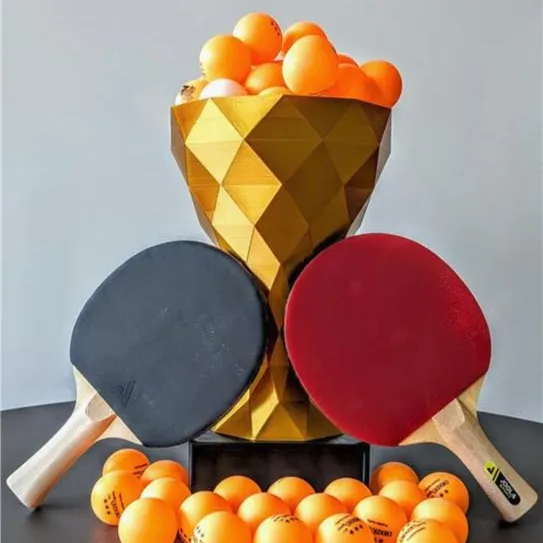
We are excited to introduce the Swarm Cup - CASCB’s first community ping pong event, taking place on May 8th from 5pm onwards at ZT9. Clear your schedule, warm up your wrist, and get ready to compete in what promises to be a fun and lively evening with fellow participants. Stay tuned for details on the format and how to join!
EVENTS
After a great start with Thejasvi’s talk on active sensing and collectives last month, THEORYseries continues with another exciting lecture by Bernadette Denk. On April 24th at 4pm, Bernadette will tell us about the what, how, and why of inter-personal synchrony. Join us in ZT702 for the talk, followed by coffee and snacks.
Have you heard?
HECTOR STIFTUNG FUNDING
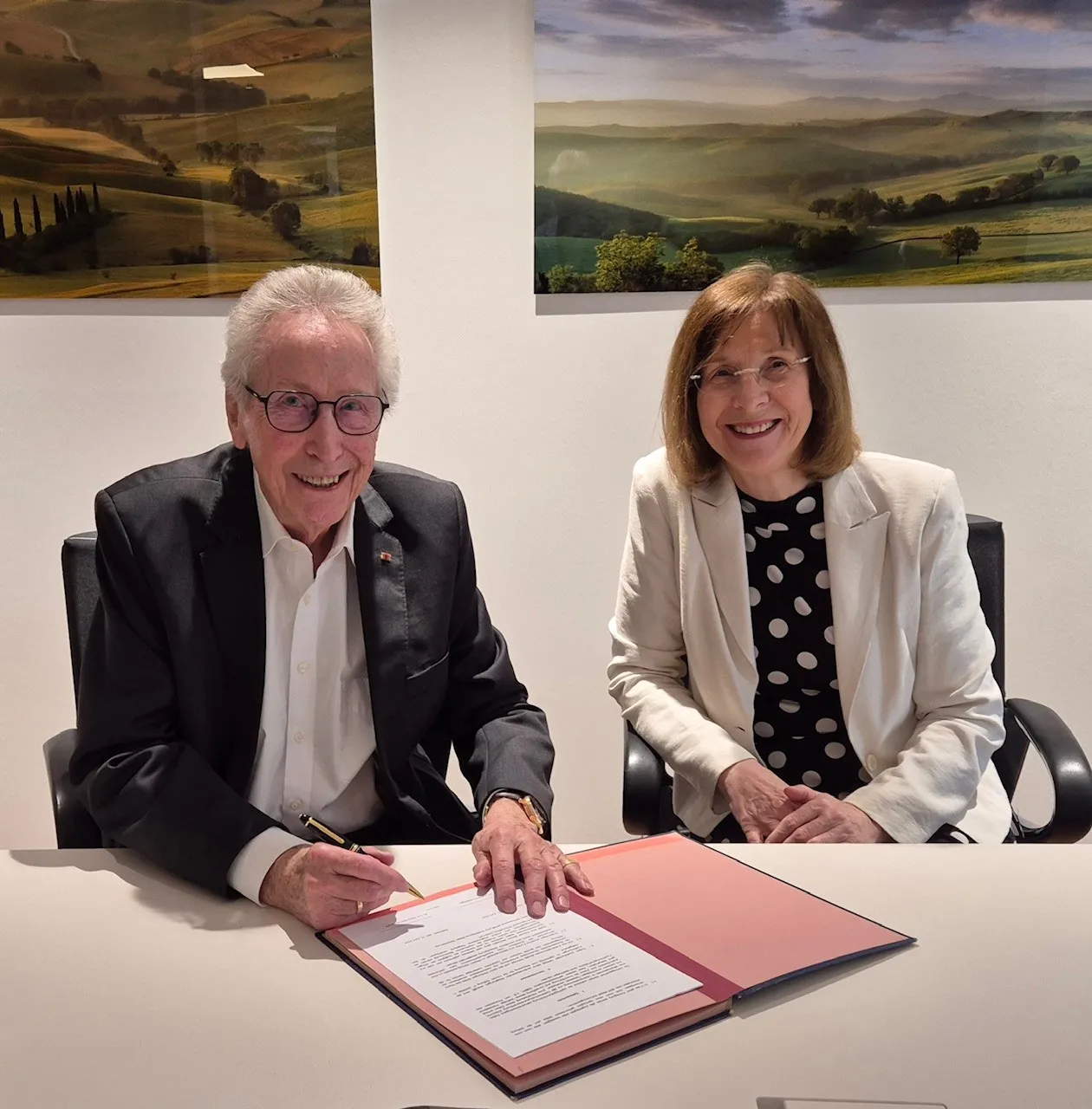
The University of Konstanz and the foundation Hector Stiftung signed a new funding agreement for the University of Konstanz. The extensive funding for strategic measures amounting to 27.3 mio. € will be spread across two potential funding periods lasting until the end of 2033. A particular focus of the agreed funding is the CASCB, allowing us to intensify our international collaborations and have greater latitude for pursuing innovative research approaches. This is a richly deserved recognition of the brilliance, dedication, and collective effort of our community. We are grateful to the rectorate, especially Katharina Holzinger and Dirk Leuffen, who were instrumental in making this possible.
SCICOMM GRANT FOR THEJASVI
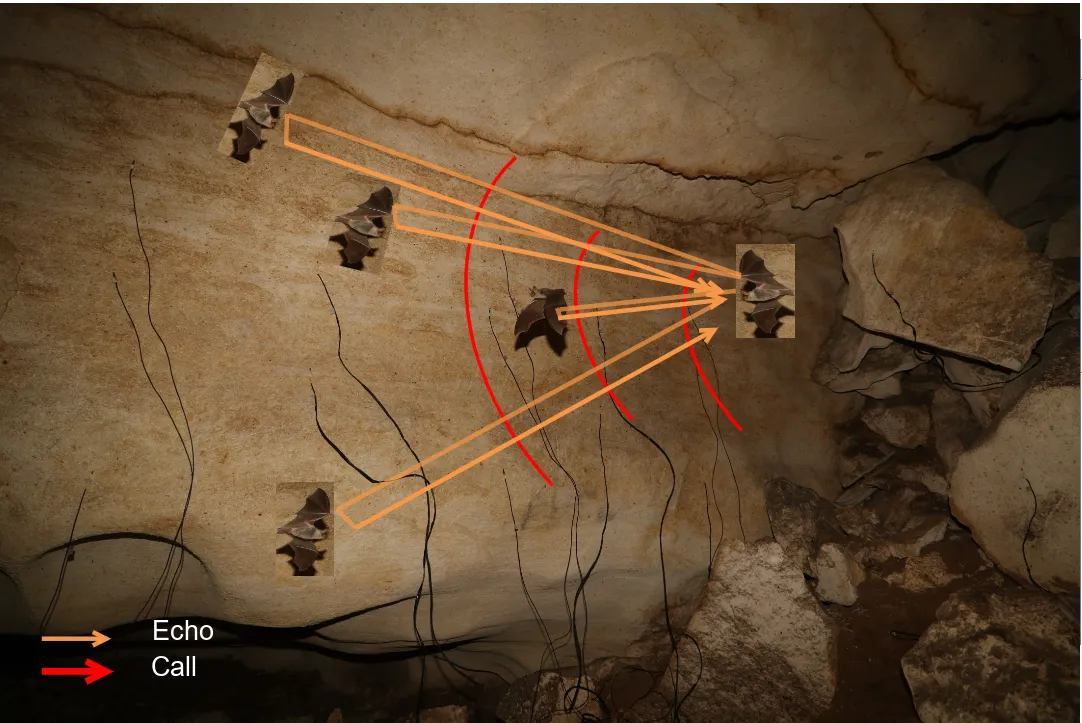
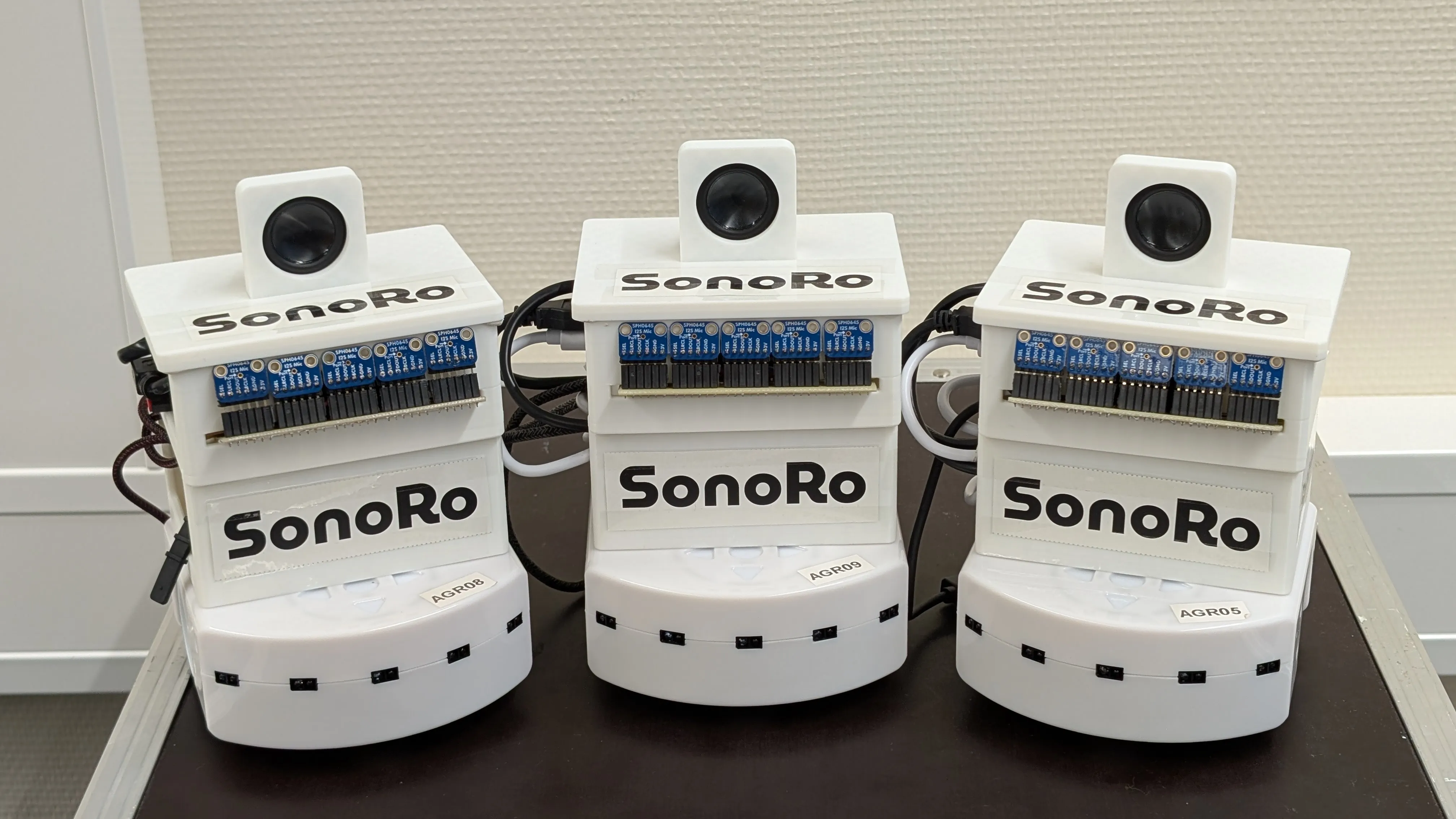
“Echolocation is weird, but hard to intuit for the lay person and scientist alike. Most people will talk about the one time a bat flew into their house, or how sometimes they see bats flying around in their garden. All of this is narrated as if echolocation is somehow ‘obvious’ - without realising how weird echolocation actually is - the fact that it relies on sound, the fact that these animals are moving so fast, and that they are constantly adjusting their calls all the time. The Carl-Zeiss Science Communication grant will allow me to spread my enthusiasm for echolocation through the methods we use to study echolocation in the field and lab. The grant will support interaction sessions with the lay public using the to-be developed ‘RealBat’ acoustic tracking system that will show bat calls in 3D as bats fly by the array, along with swarm robotics demonstrations using the in-house (CASCB) developed SonoRo and RoBAT robot platforms.”
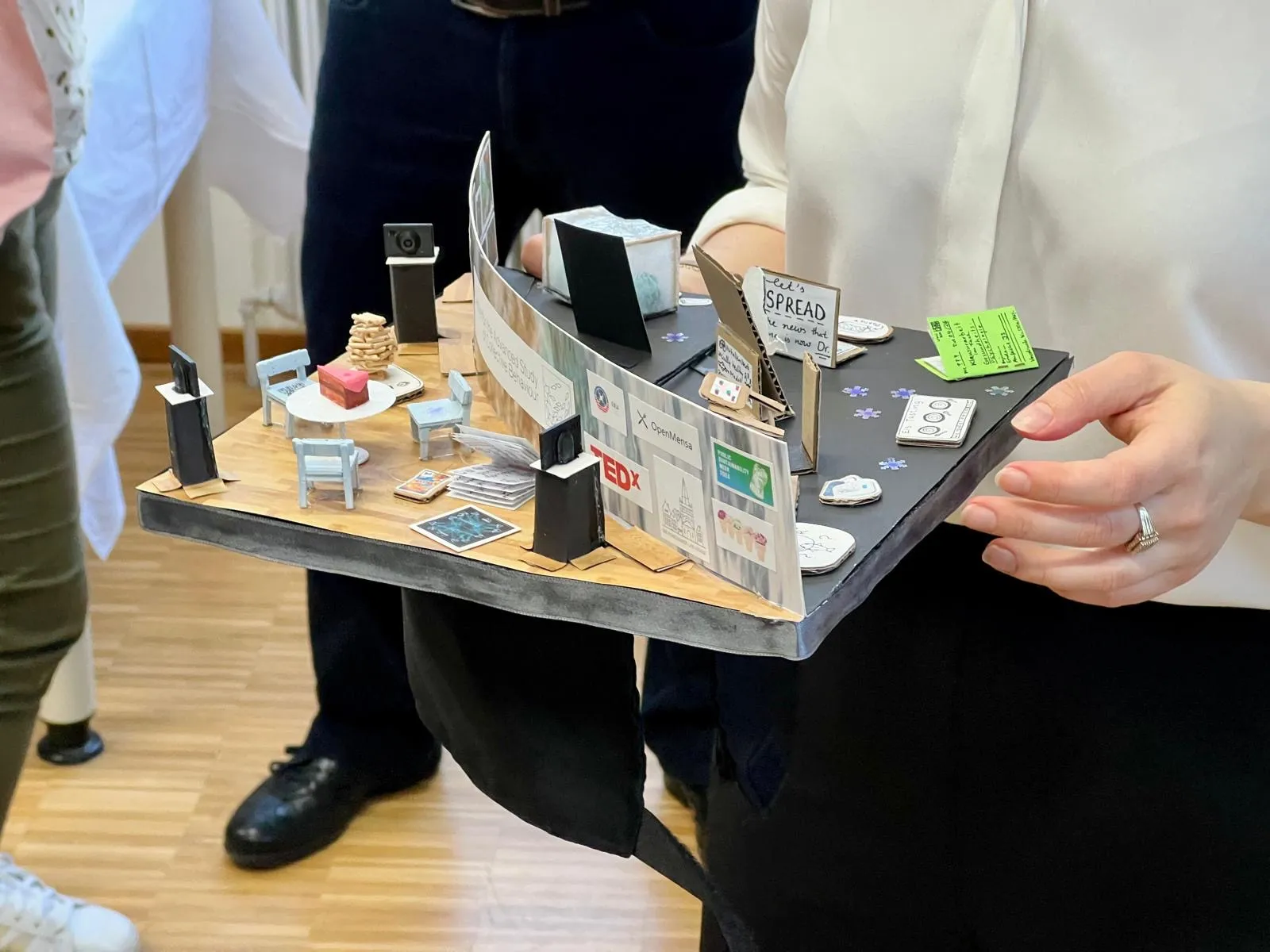
JANA DEFENDED HER PHD THESIS
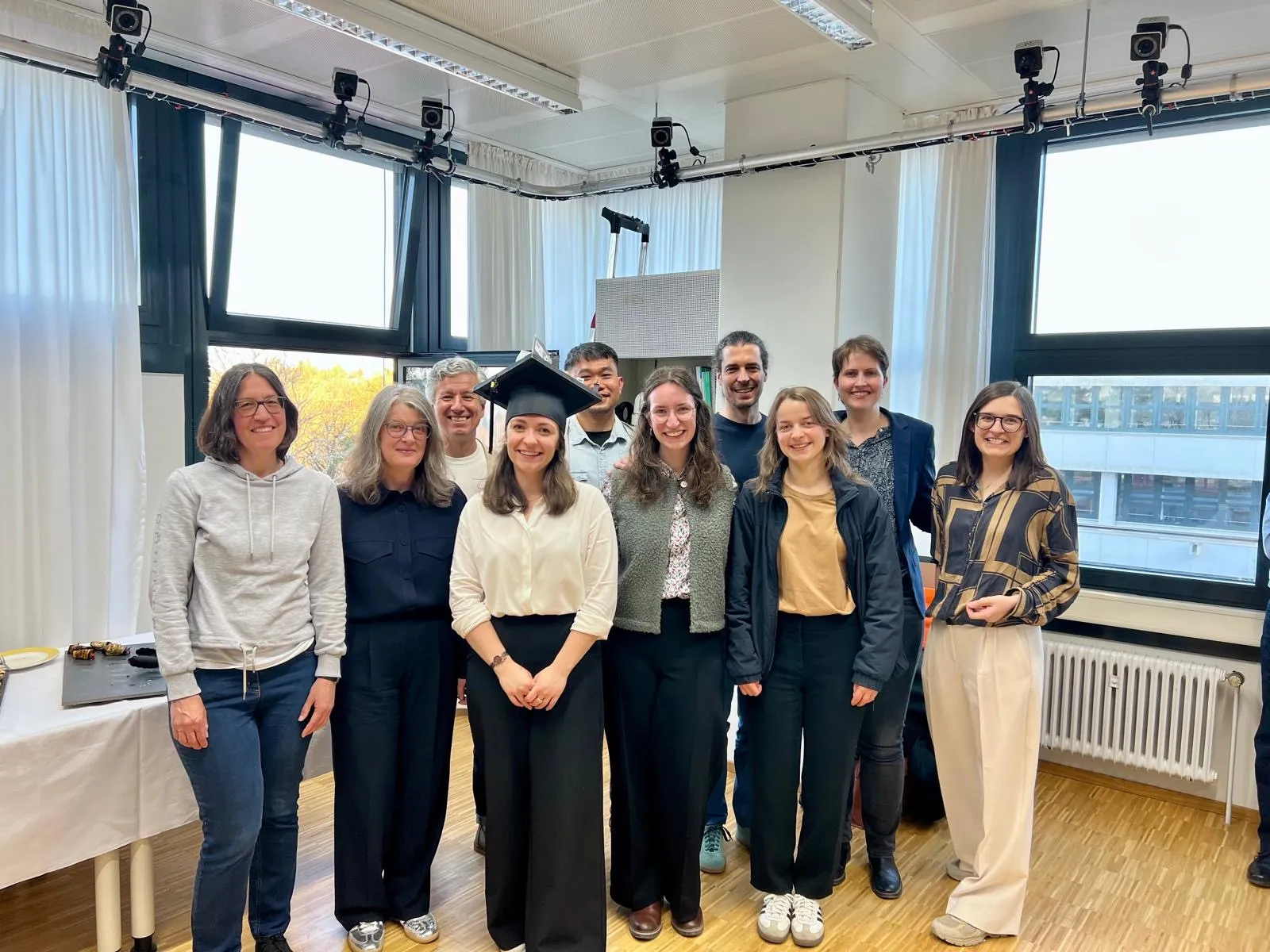
“My dissertation asks what everyday moments - a decision in the supermarket, a shared lunch - reveal about how we perceive our environment and influence each other. The findings show that consumers often misjudge the emissions of similar products, that eating together reduces social tension, and that eating behaviour can spread within groups through behavioural contagion. Using a newly developed open-source framework, that demonstrates how behavioural contagion shapes collective patterns and how individual actions ripple through social interactions. This work would not have been possible without my colleagues Christophe Bousquet and Johanna Köchling, and the guidance of my supervisors Harald Schupp and Britta Renner. Being part of CASCB and the Collective Appetite project made this journey truly special, and I am very grateful for the interdisciplinary exchange and support throughout.”
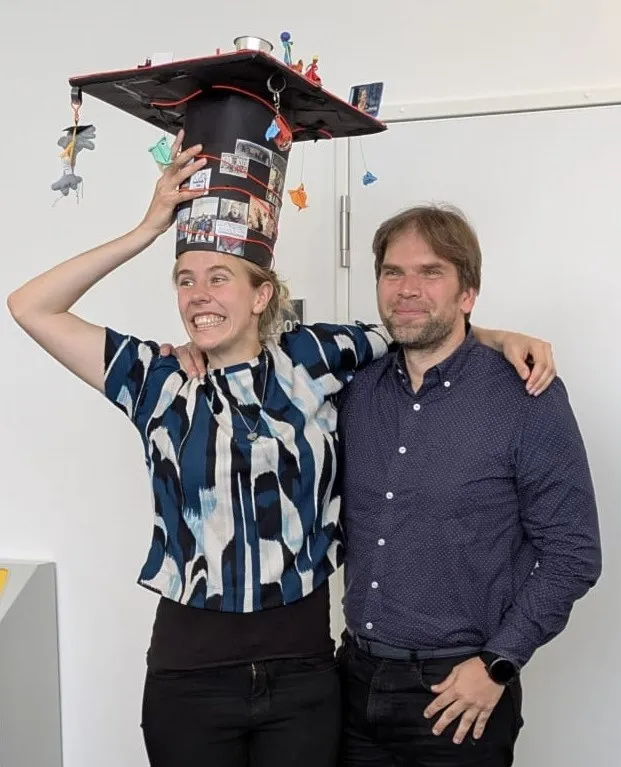
KATJA DEFENDED HER PHD THESIS
“During my PhD I asked how the brain of larval zebrafish integrate multiple visual features to make decisions. I found and described the neural circuitry which processes and integrates such features based on both extensive behavioural, computational modelling, and brain imaging approaches. I am very grateful for the support of the cluster, the CASCB Doctoral Network, the amazing office team, and all the insightful discussions and lots of fun during the many cluster events the past years. Thank you CASCB community!”
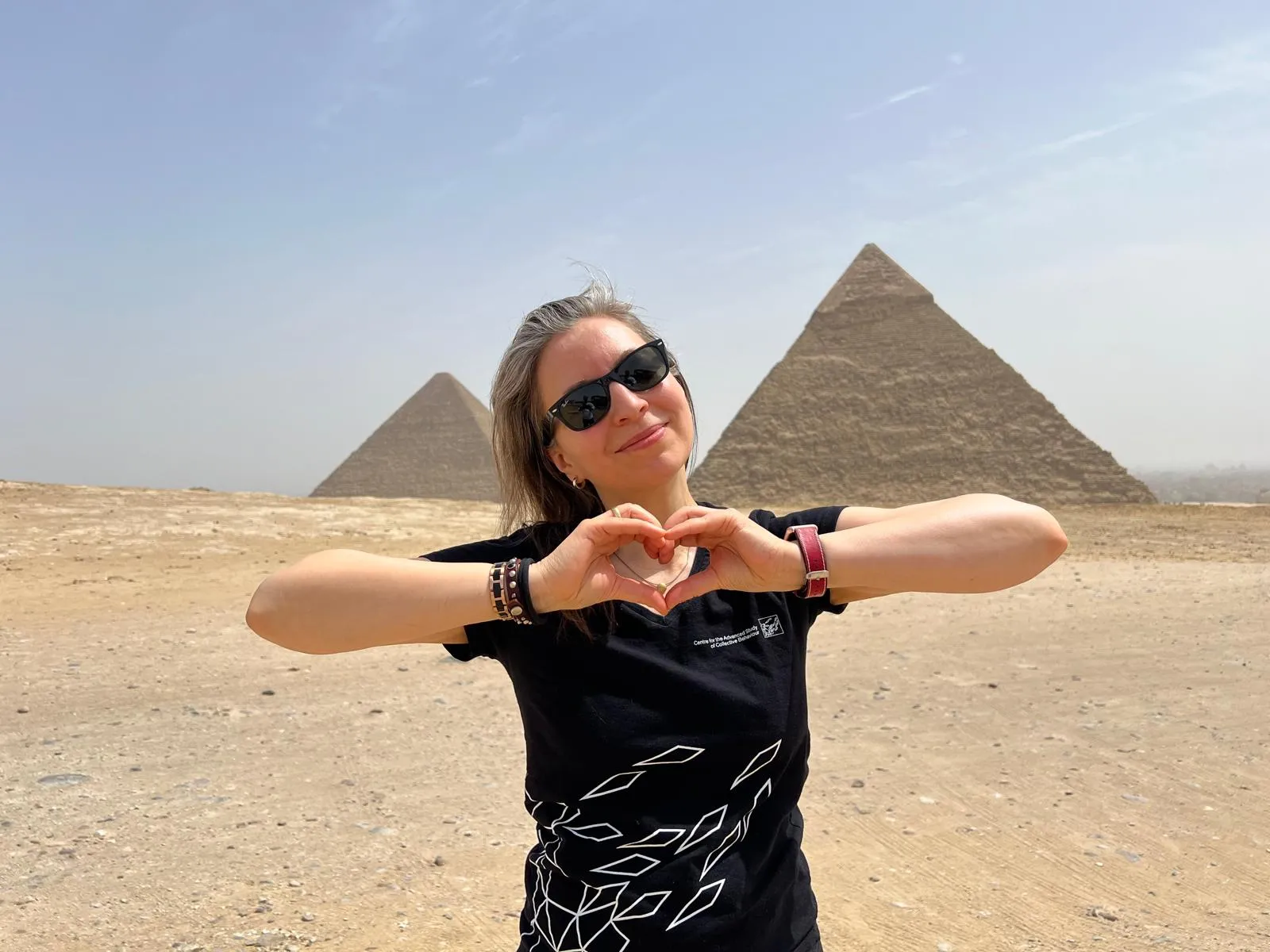
NEW JOB FOR ALEX
CASCB Science Manager Alexandra Wild is embarking on an exciting new chapter: from May 2026, she will join the new NCCR Muoniverse at the Swiss Paul Scherrer Institute (PSI). In her new role, Alex will help shape the administrative and collaborative backbone of a diverse scientific community, bringing together teams from PSI, UZH, ETH, and partners across Switzerland. She will lead the support office and contribute at the Executive Board level, supporting an ambitious collaborative research agenda. (Particle physics aficionados - did you spot the Easter egg in the pyramid image hinting at her new focus?) As she looks ahead, Alex leaves with many fond memories. She‘ll carry CASCB’s swarm spirit with her and hopes to stay in touch. If you have time, feel cordially invited to join the farewell gathering on April 23rd (from 4pm) on ZT09.
In the cluster
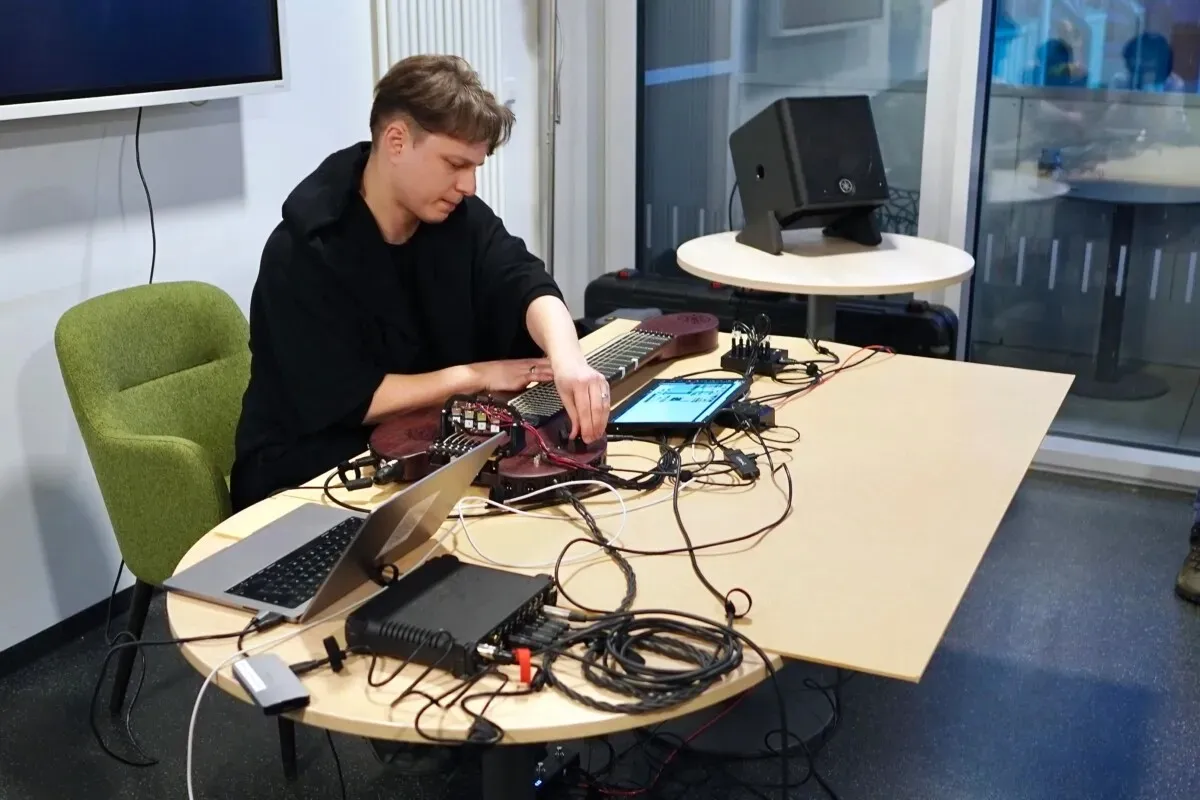
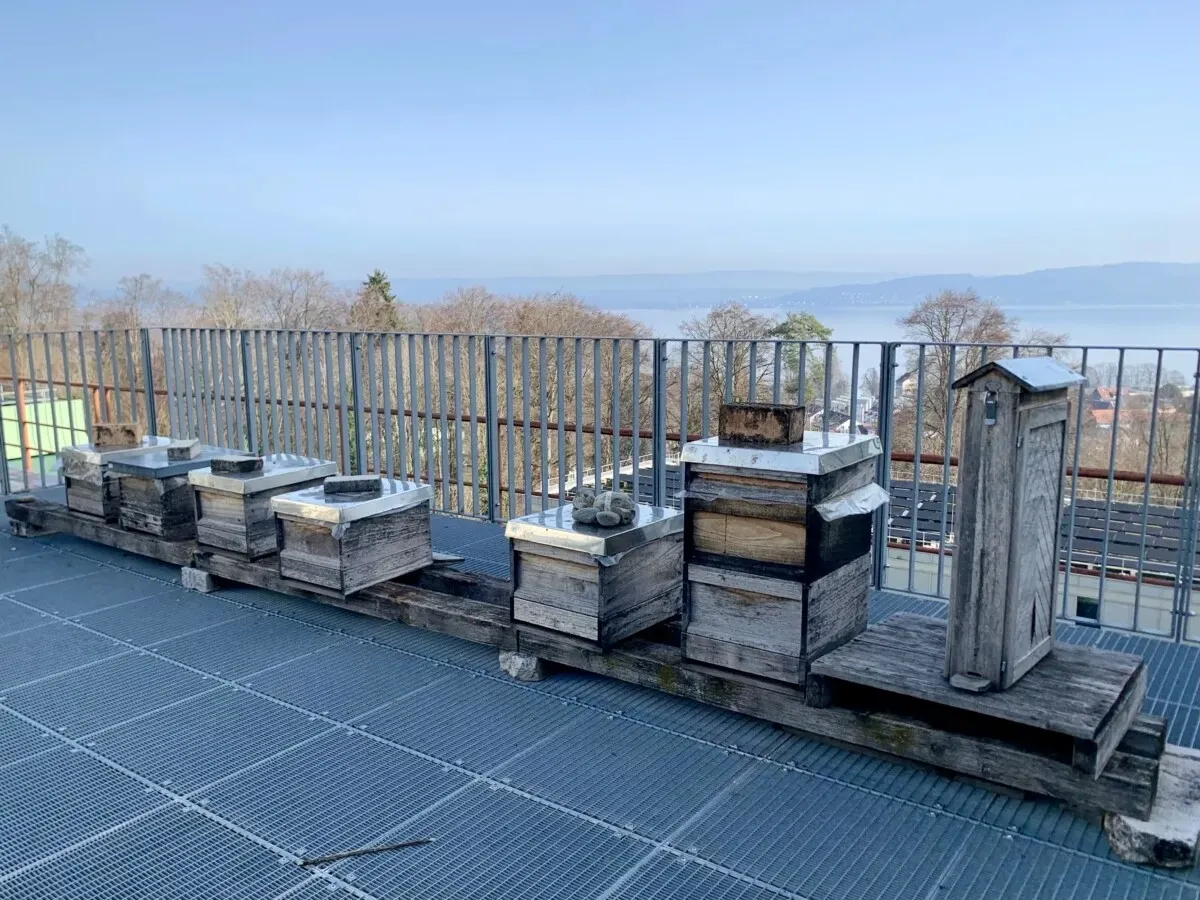
RECAP RESIDENCY FEDERICO VISI
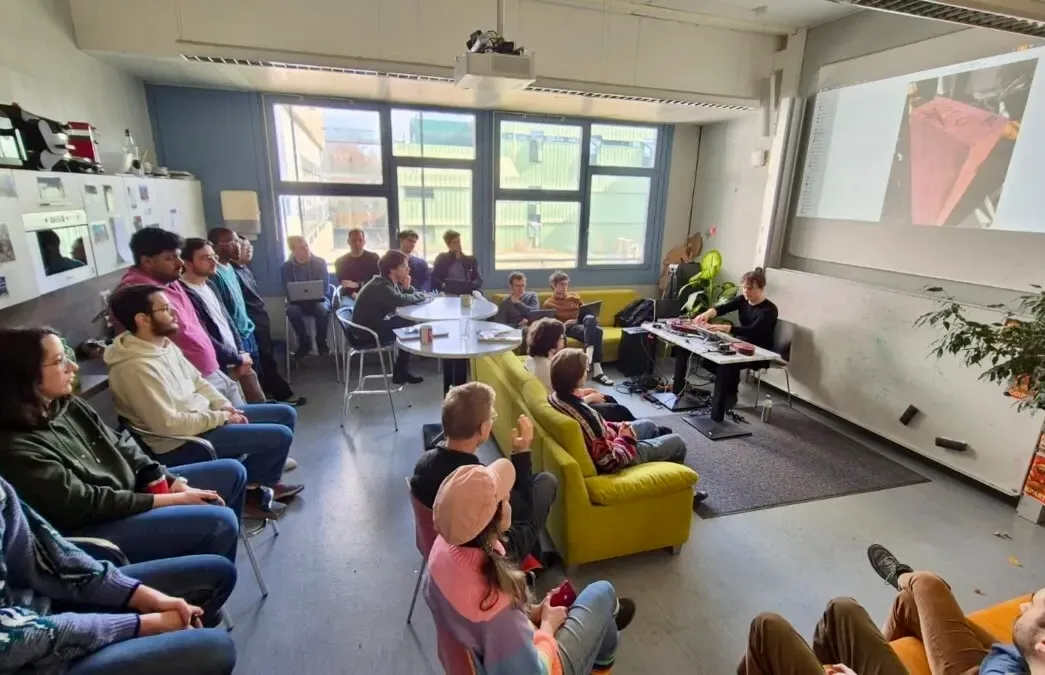
During his recent residency at CASCB, artist and researcher Federico Visi explored what happens when art meets collective intelligence. Inspired by the coordinated worlds of bees, bats, and fireflies, he investigated how non-human collective behaviour can shape new forms of AI-driven musical co-improvisation. Together with researchers at CASCB, he experimented with interactive systems that listen, respond, and create alongside human performers. The result: a fascinating blend of science, sound, and swarm intelligence.
New to CASCB
A new swarm member has joined our community in the past month! We warmly welcome and proudly introduce:
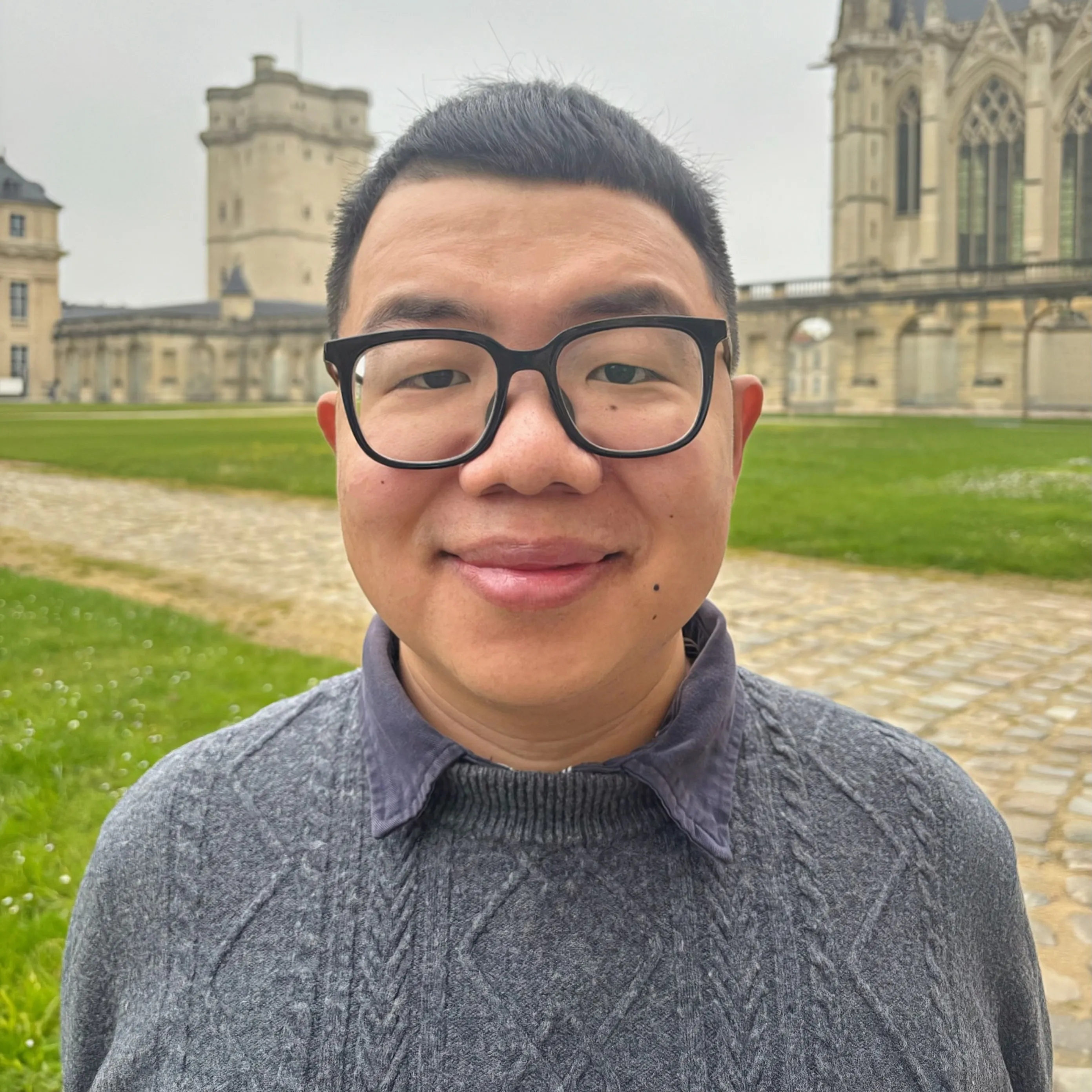
Tianfu Zhang, Doctoral Researcher, Computer Science, Uni Konstanz
“I study how collective structures emerge and evolve in decentralised multi-agent systems, with a particular focus on fission-fusion dynamics. I use this perspective to understand how problems such as task allocation and coalition formation can arise naturally from local decision-making.”