© Lochlan Walsh
Read this issue online
Scan or click to open it in your browser
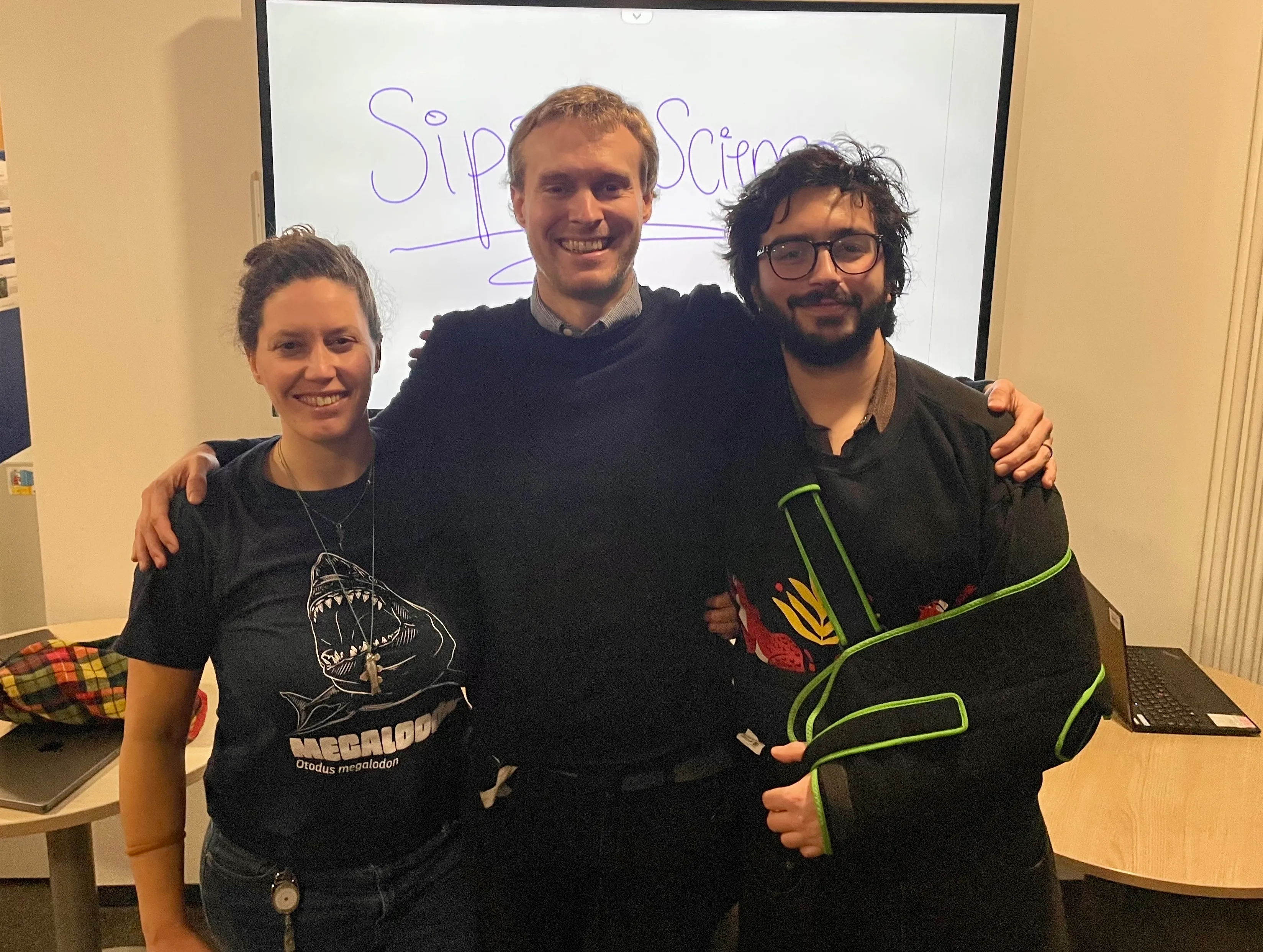
Read more on CASCB’s first Sips & Science Event, organised by our Doctoral Network, below!
Important news
EVENTS
Join us TODAY for a special double feature with guest speakers Simon Sponberg (Georgia Institute of Technology) and Ambre Salis (Imperial College London). The talks will explore agile motor control in animals and call combinations in birds. The session takes place from 12-1:45pm in ZT702 and will include a short break between talks - perfect for a relaxed potluck-style lunch, so feel free to bring something small to eat or drink and share!
EVENTS
The CASCB PhD Network presents THEORYseries: a new seminar series featuring lectures on foundational theoretical concepts in collective behaviour led by experts from the CASCB community. The first talk will be given by Thejasvi Beleyur on March 20th at 4pm in Zt702. Join us for a lecture on active sensing and collectives, followed by coffee, snacks, and a discussion.
MEDIA
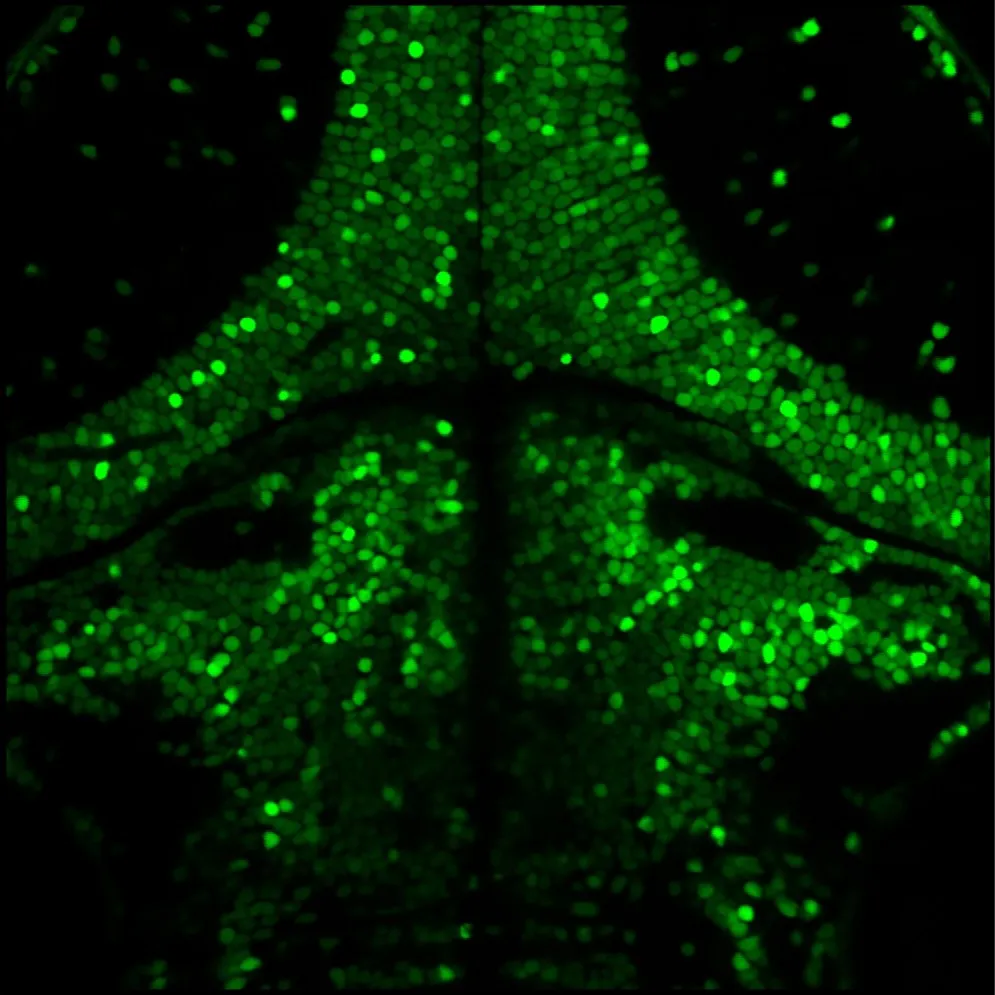
CASCB researchers investigated how brains process competing visual cues such as motion and brightness. Using larval zebrafish, the team combined behavioural experiments, whole-brain imaging and modelling to show that the brain integrates multiple signals rather than choosing just one. By adding these cues through parallel neural pathways, animals can quickly decide how to move in complex environments.
Have you heard?
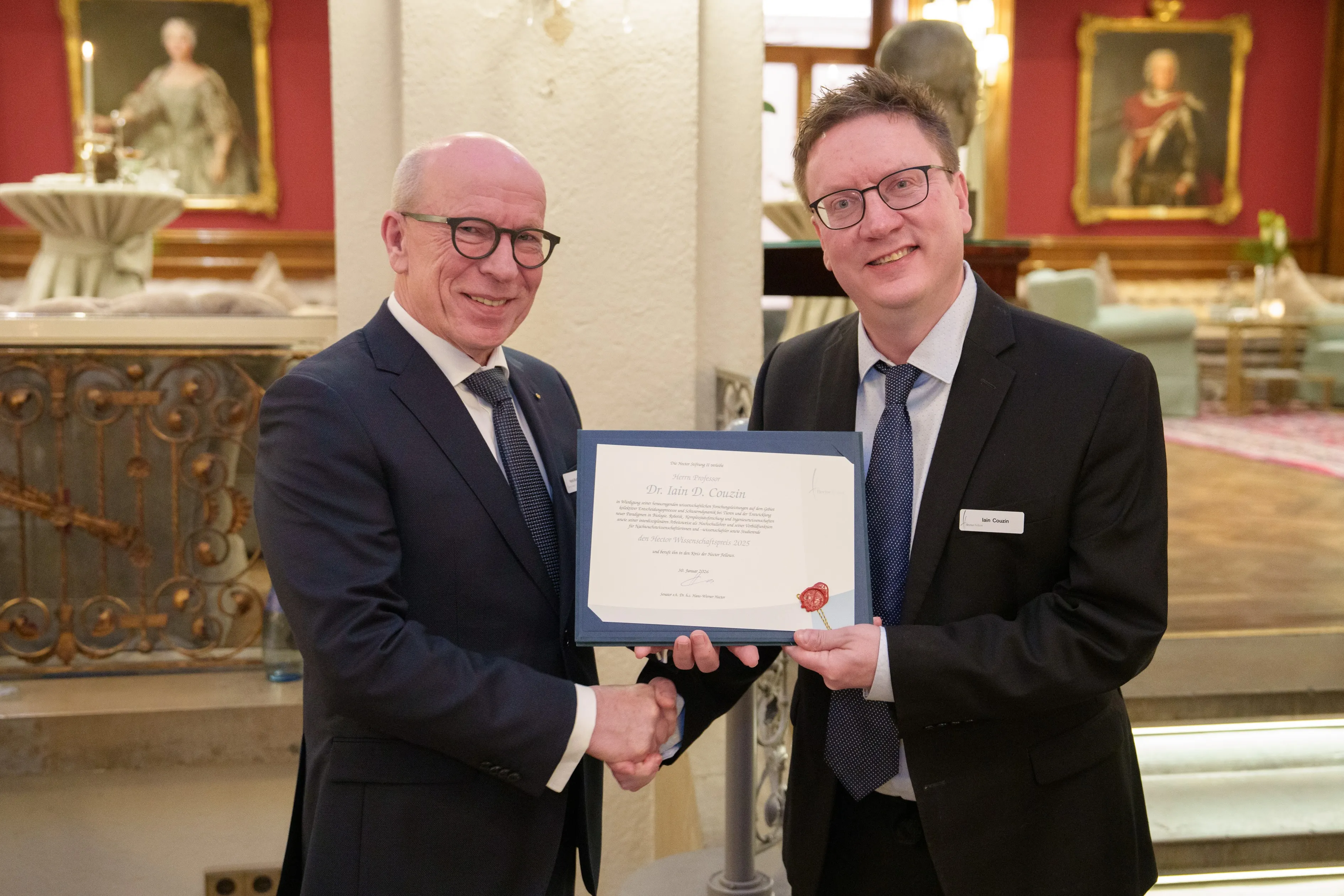
HECTOR SCIENCE AWARD FOR IAIN
CASCB speaker Iain Couzin has been awarded the 2026 Hector Science Award for his pioneering work on collective behaviour in animals and humans. The award, endowed with 200,000€ and membership in the Hector Fellow Academy, was presented on January 30th in Heidelberg. Couzin said the honour reflects the efforts of his students and collaborators in uncovering how coordinated group movement and decision-making emerge in nature. The recognition highlights both his scientific impact and the strength of Konstanz’s research in collective behaviour.
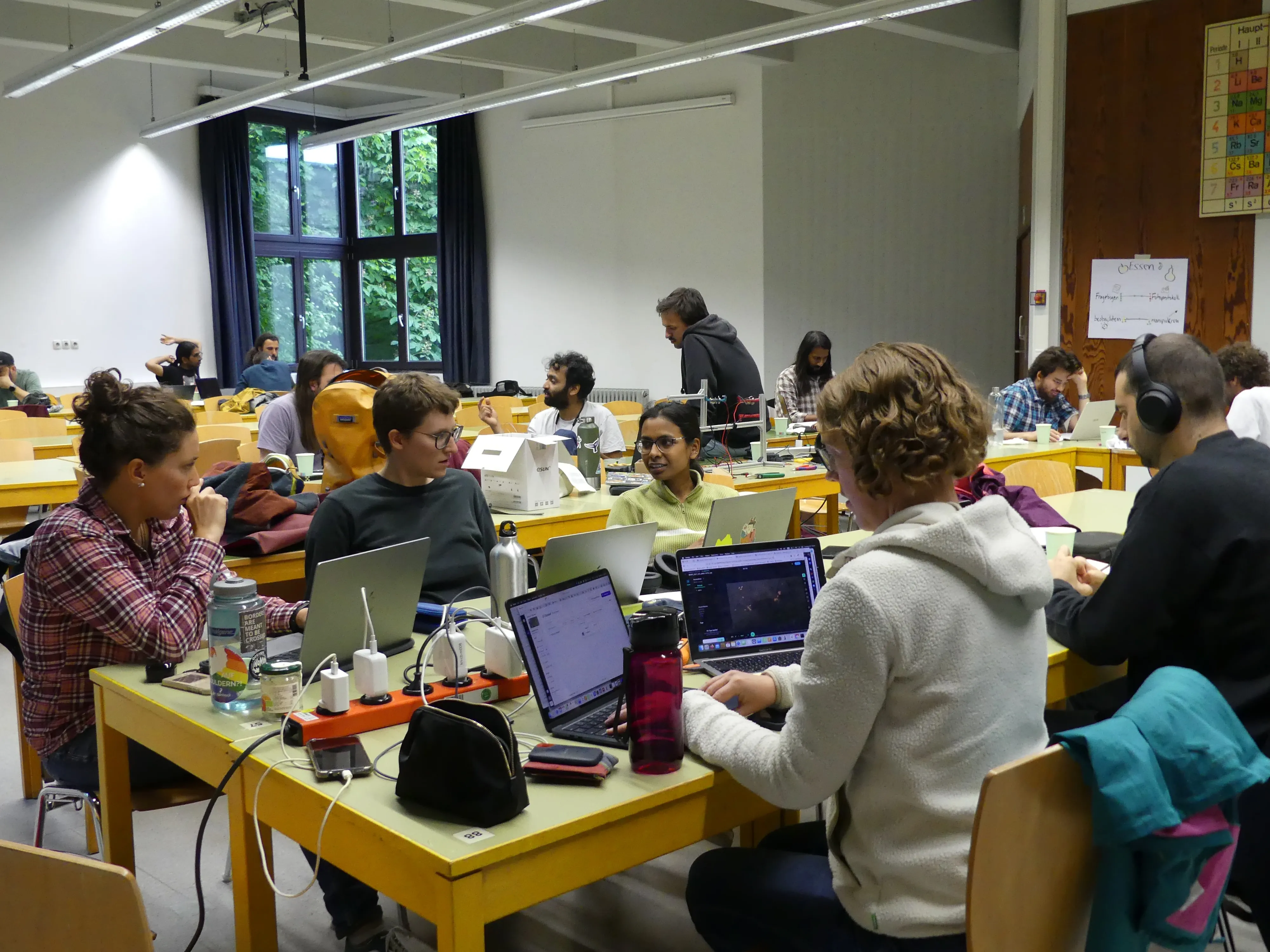
CASCB BOOST-ATHON
After last year’s great success, the second CASCB Project Boost-athon is coming up on April 28th-29th! This two-day hackathon gives cluster members the chance to tackle mini-projects submitted by doctoral and postdoctoral researchers, offering fresh perspectives and sparking potential collaborations. All CASCB members are invited to submit project ideas by March 23rd - from datasets that need analysing to roadblocks in your research, or side projects you have been meaning to start. Projects from all disciplines are welcome, and collaborative submissions are encouraged. We look forward to seeing many members participate!
In the cluster
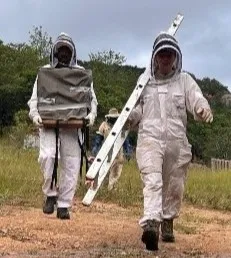
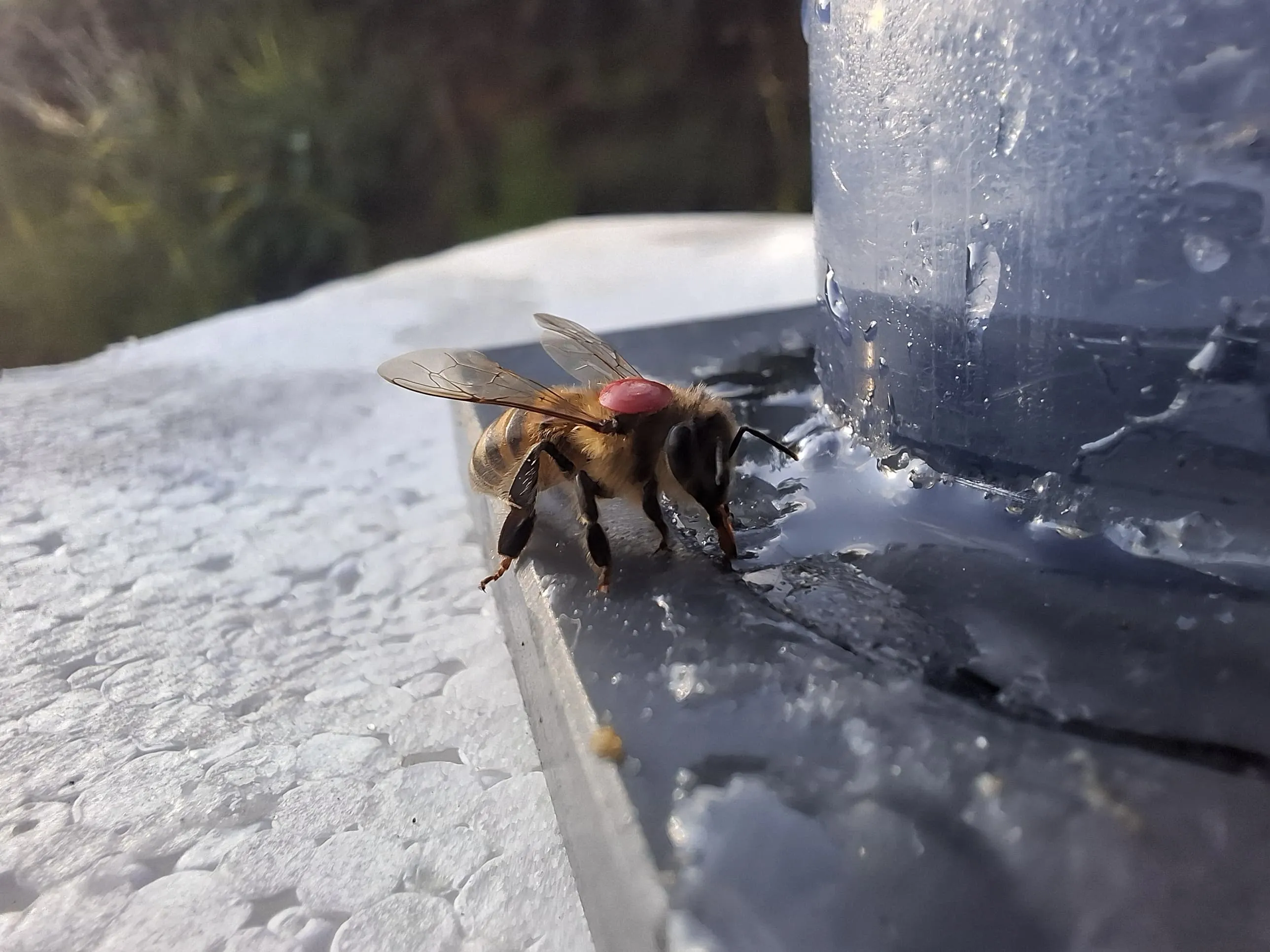
TRAVEL REPORT FRIDA
In January CASCB researchers Frida Hildebrandt and Sverre Tautz travelled to South Africa for a month of fieldwork at Pullen Nature Reserve, hosted by the University of the Witwatersrand: “By studying African honeybees under natural high-sun conditions and comparing them with European bees tested in Konstanz we aim to understand whether honeybees are adapted to their local sky environment. Fieldwork came with its challenges: unusually persistent rainfall during the first two weeks meant fewer foraging days than expected. But when the skies finally cleared, we were able to collect a focused and valuable dataset under natural extreme sky conditions.”
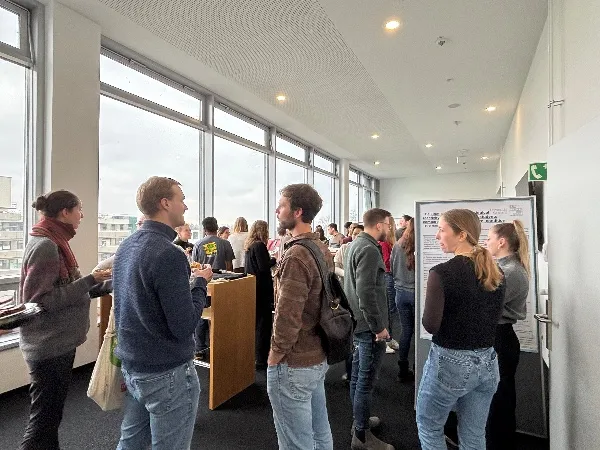
CASCB SPRING RETREAT 2026
The 2026 CASCB Spring Retreat once again confirmed why this gathering has become a cherished tradition at the cluster. What began as a modest internal meeting has grown into a lively, community-driven highlight of the academic year - intentionally low-threshold, shaped by volunteered talks, spontaneous ideas, posters, demos, and open discussion, all sustained by coffee and a legendary potluck buffet.
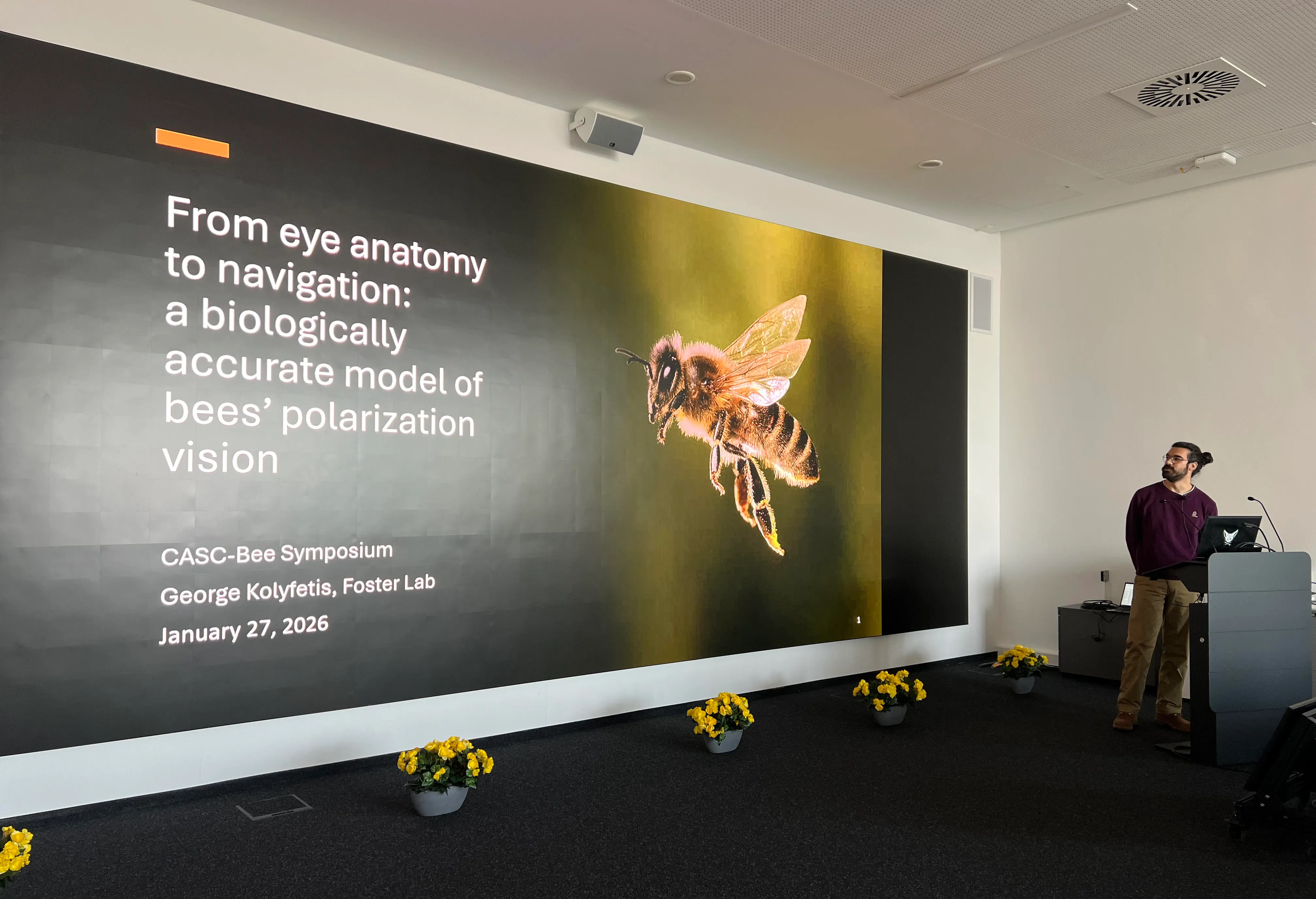
RECAP CASC-BEE SYMPOSIUM
On January 27th the cluster hosted its first CASCBee Symposium in the Data Theatre, focused on emerging questions in honeybee behaviour, and featuring research from the groups of James Foster, Giovanni Galizia, Morgane Nouvian, and Andreagiovanni Reina. Presentation topics ranged from acoustic communication to hygienic behaviour, and dance recruitment to colony defence. One shared theme was the use of integrated methods for individual bee tracking, developed by Jacob Davidson, which allow behavioural quantification of colony collective behaviour across paradigms and timescales.
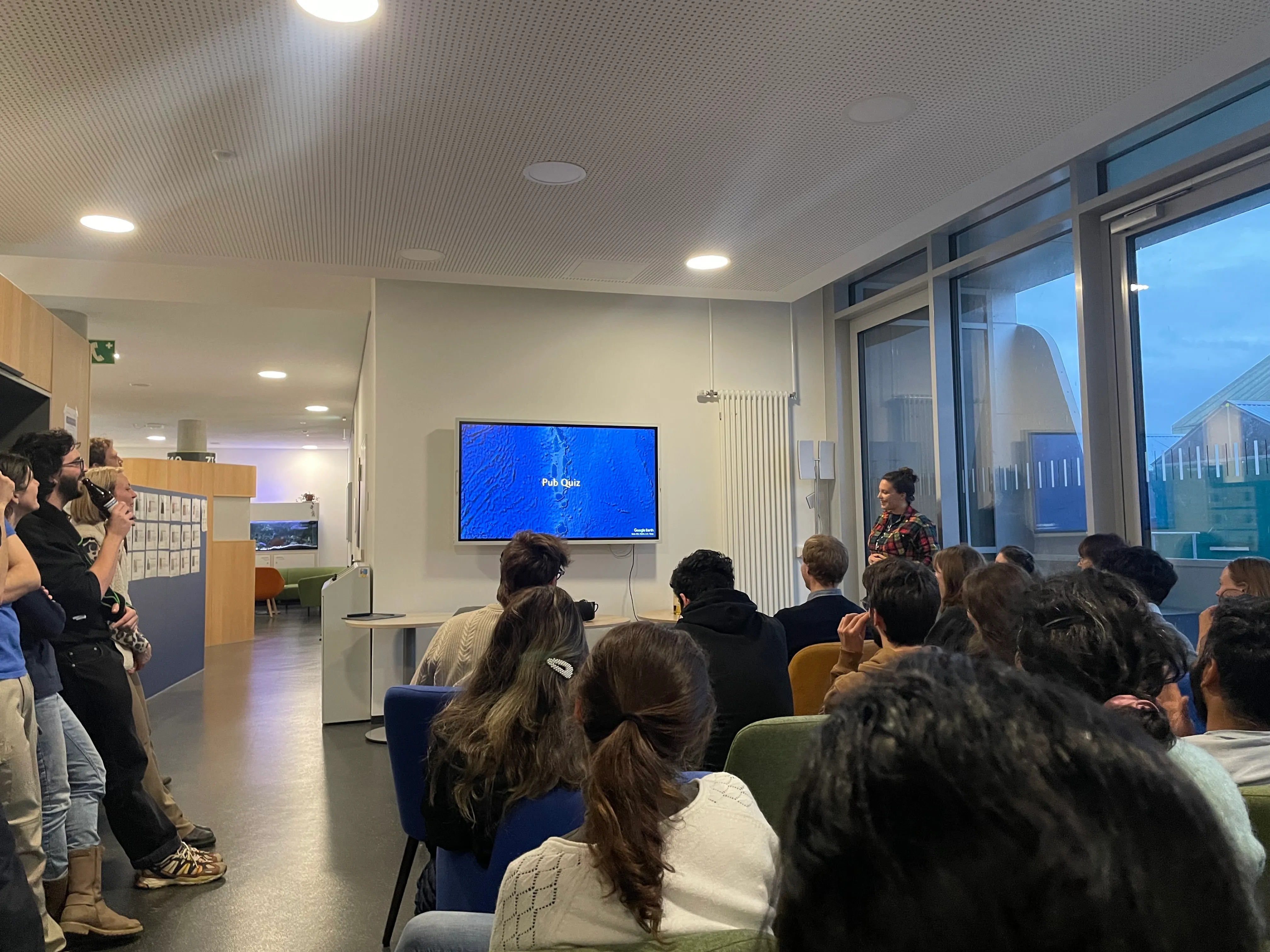
RECAP SIPS & SCIENCE
Science + Drinks = Awesome! That was without a doubt the shared attitude at the first Sips & Science event - a huge success thanks to the three fantastic speakers, Juan, Angela, and James, as well as the great turnout of motivated and engaged community members. The audience learned about how electric fish and locusts interact with conspecifics, saw some stunning pictures of research on fish collectives in the Maldives, and even tried out the honey bee waggle dance! Sydney and Lochlan are already planning the next one for April and look forward to seeing you there!
New to CASCB
New swarm members have joined our community in the past month! We warmly welcome and proudly introduce:
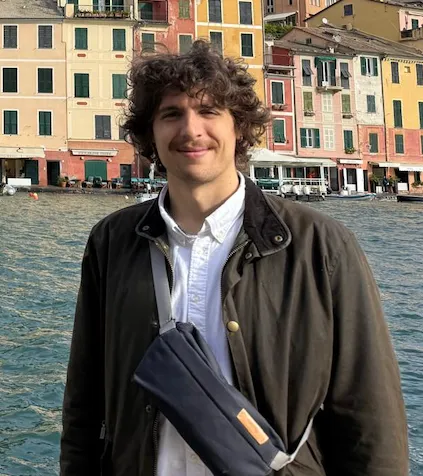
Isaac Breinyn, Postdoctoral Researcher, MPI-AB
“My work is centered on how humans navigate dense crowds and how those crowds behave like physical materials. My research sits at the intersection of animal behaviour and soft matter physics and is heavily informed by my background in cell biophysics. I’m excited to combine laboratory experiments in the Imaging Hangar with in situ field-work to map out the state space of human crowd behaviours. My goal is to apply this work towards developing more effective crowd management protocols and safer public spaces.”
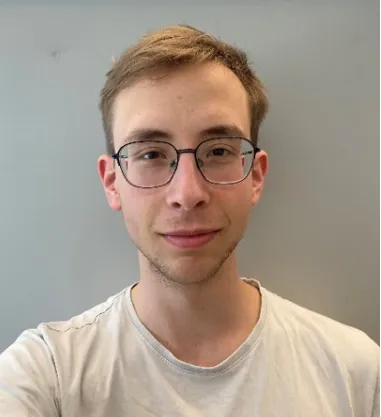
Frithjof Küster, Doctoral Researcher, Biology, Uni Konstanz
“I’m a bioacoustician and behavioural biologist, who is highly curious about new technologies for observing and studying the lifes and ways of wild animals. In my PhD project, I record echolocation and flight of swarming bats using microphone arrays, thermal cameras and acoustic cameras to see how bats manage the seemingly impossible task of active sensing in groups.”
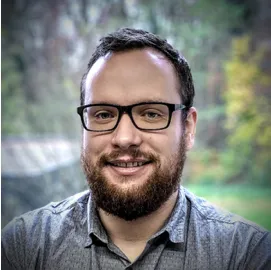
Jacob Graving, Research Scientist, Advanced Research Technology (ART) Unit, MPI-AB
“My research focuses on how animals make decisions and move through their environments. I’m interested in the normative and mechanistic principles that shape behaviour, especially how individuals and groups respond to information, uncertainty, and competing options. My work combines theory, modeling, and data analysis to better understand movement and decision-making across scales and systems.”
RDM Gym
ORCID TUTORIAL
Following up the CASCB Spring Retreat, Daniel Calovi developed a tutorial on how and why to update your ORCID profile. We have sections on how to make your profile more visible, and the best ways to get it to update mostly automatically. We also added convenient TLDR and FAQ sections at the end of the tutorial in case it is too extensive. You can find it for download on the CASCB RDM website.